Ballet
Frescoes
Description
Dedicated to the 90th anniversary of Olzhas Suleimenov
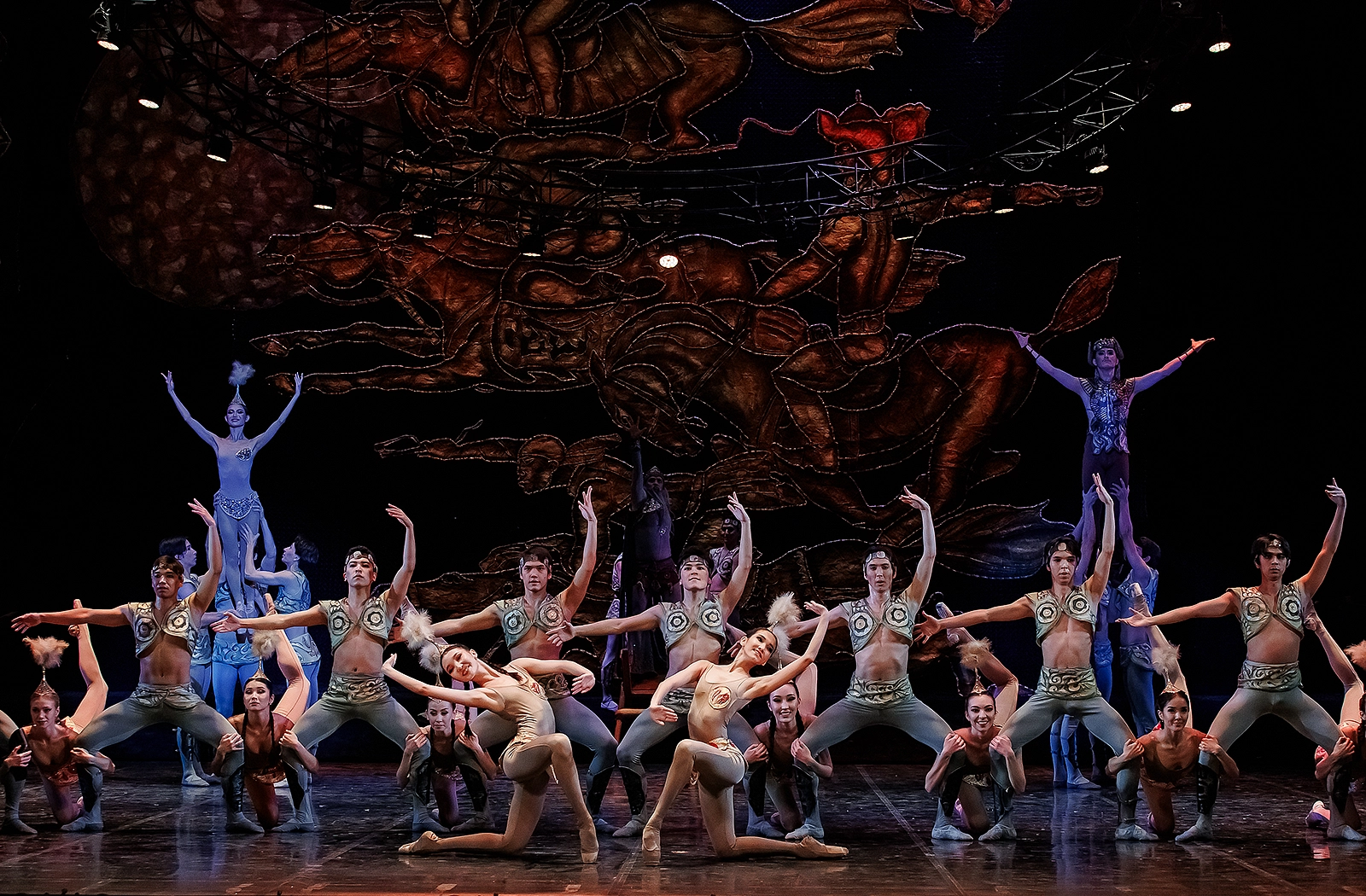
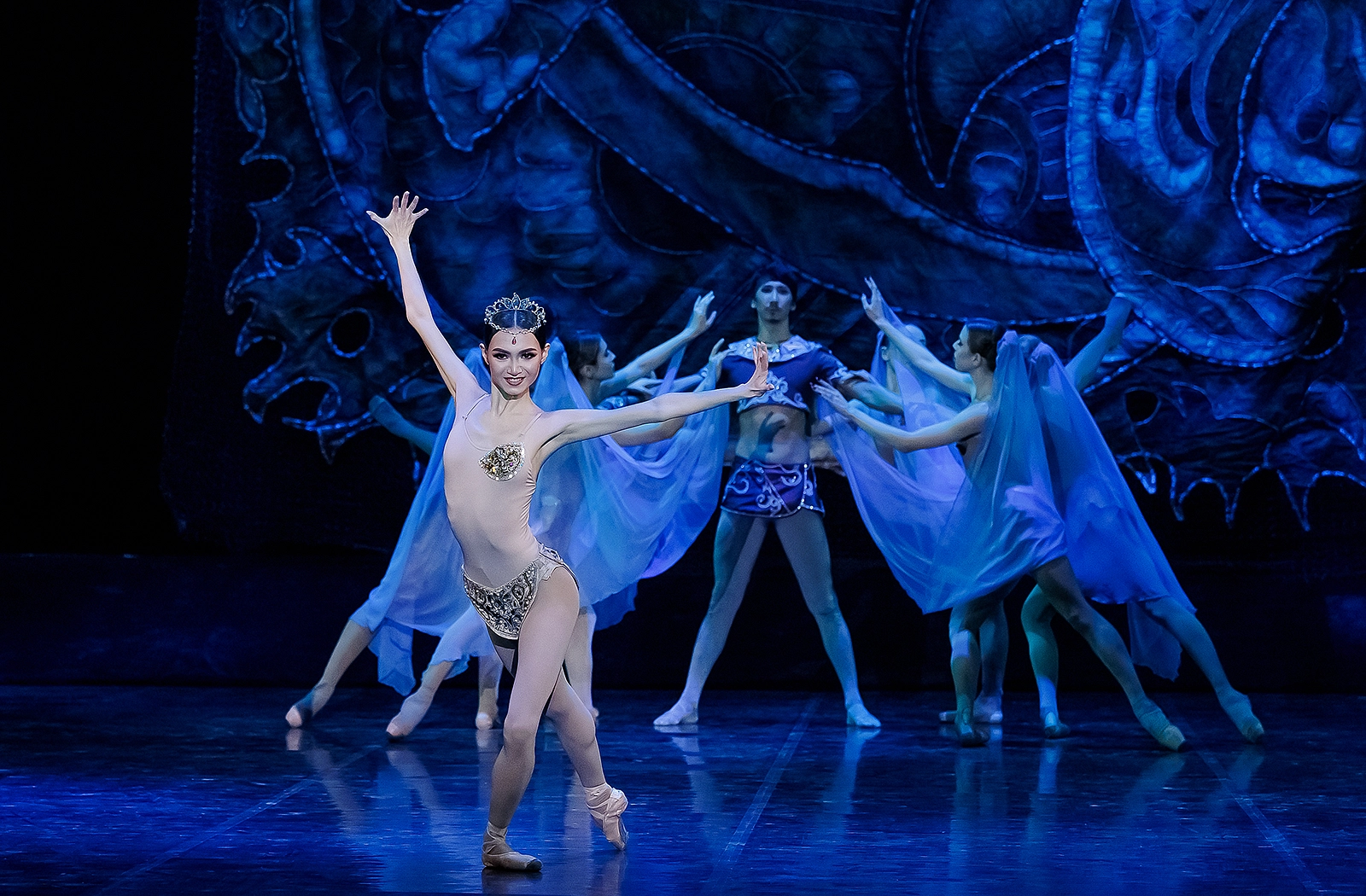
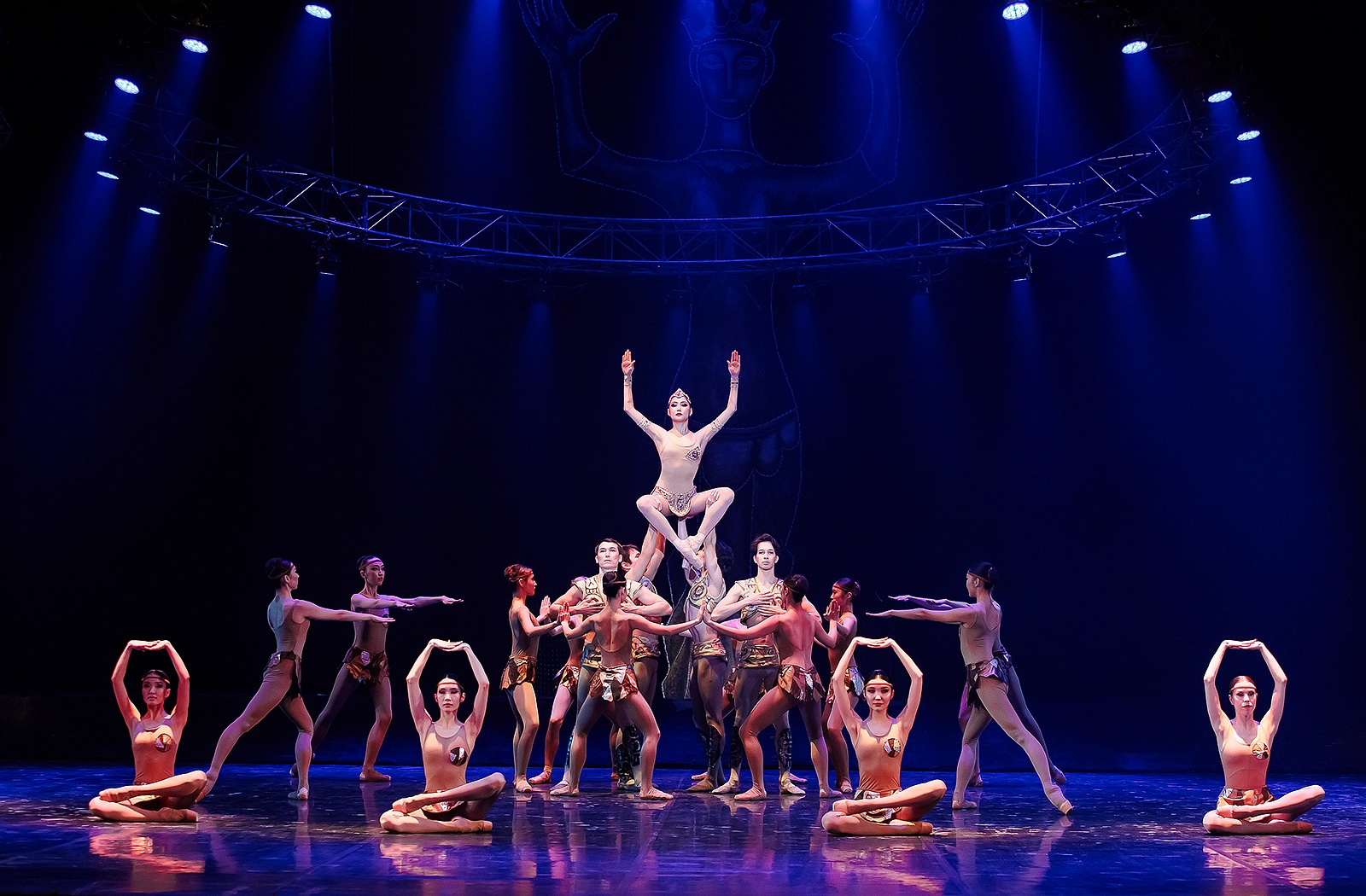
At the Abay Theatre, the ballet Frescoes unfolds as a poetic and dramatic story of love, sacrifice, and fate, brought to life through the expressive choreography and music of T. Mynbayev.
T. Mynbayev
Frescoes
Ballet in two acts
Choreography and libretto by Zaurbek Raybayev
Based on O. Suleimenov’s poem “The Clay Book”
At the Abay Opera House, the premiere took place in 1981
Revival on 25.06.2022
Production Team:
Production Conductor – Yerbolat Akhmedyarov, Honored Worker of the Republic of Kazakhstan
Artistic Director of the Revival – Gulzhan Tutkibayeva, People’s Artist of the Republic of Kazakhstan
Production Designer – Yevgeniy Sidorkin, Honored Artist of the Kazakh SSR, Laureate of the Chokan Valikhanov State Prize of the Kazakh SSR, People’s Artist of the Kazakh SSR
Revival Designer – Vyacheslav Okunev, People’s Artist of the Russian Federation, Laureate of State Prizes
Chief Chorus Master – Aliya Temirbekova, Honored Worker of the Republic of Kazakhstan
Characters
- Shamkhat, priestess of the temple of Ishtore
- Ishbaqa, chieftain of the Ishquzy tribe
- Khor-Akhte, the elder
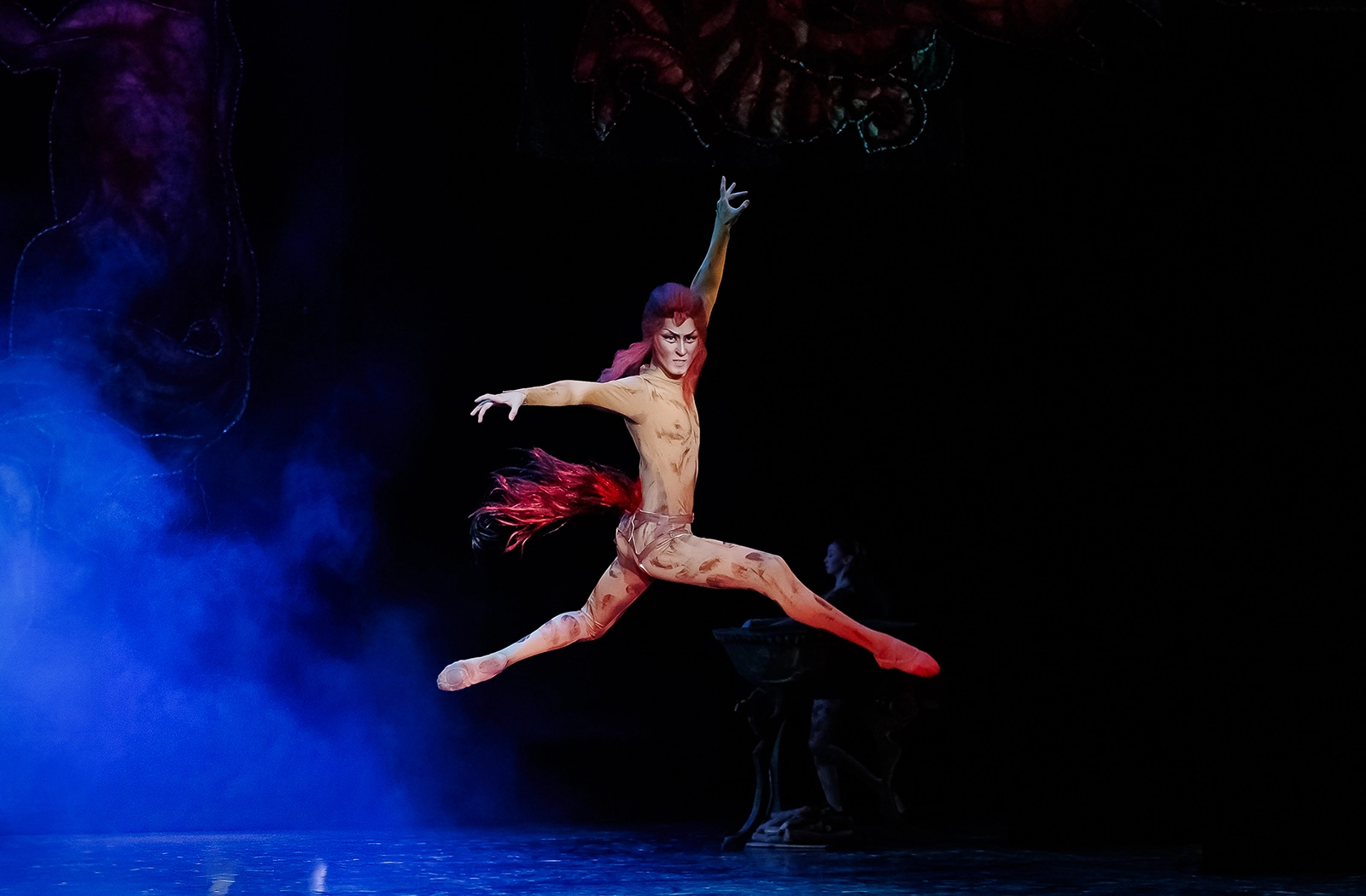
- Centaur
- Horse
- Kosog
- Nameless
- Kosog’s bride
- Sary-Kene
- Kagan of the Kyr-quzy tribe
Act One
The First Fresco “Stone Women”
The eyes are not lotuses –
they are blind cracks.
(Truly, strike a stone,
and you will strike a woman.)
Let the full-breasted statue
tell posterity of dangerous times.
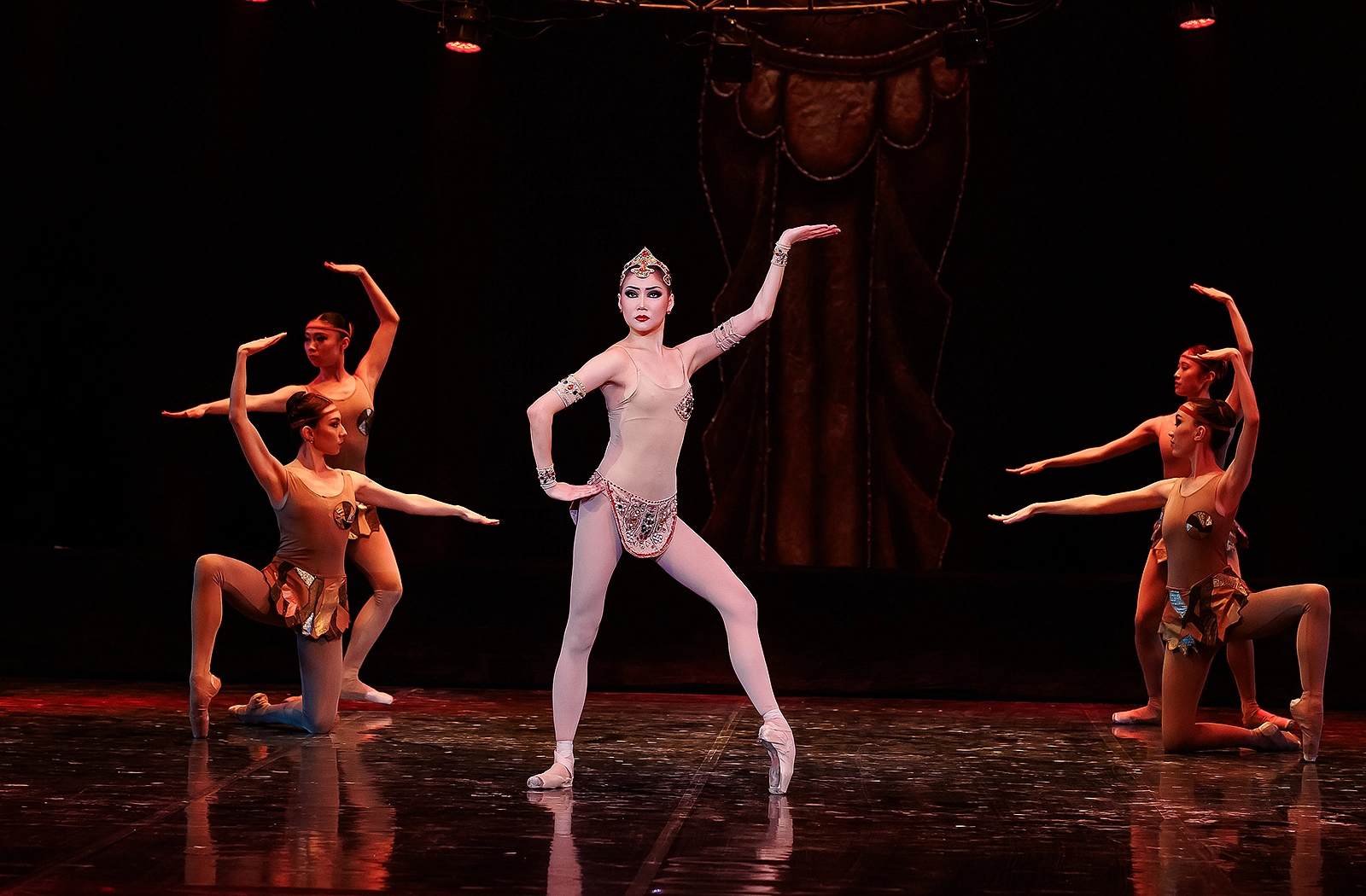
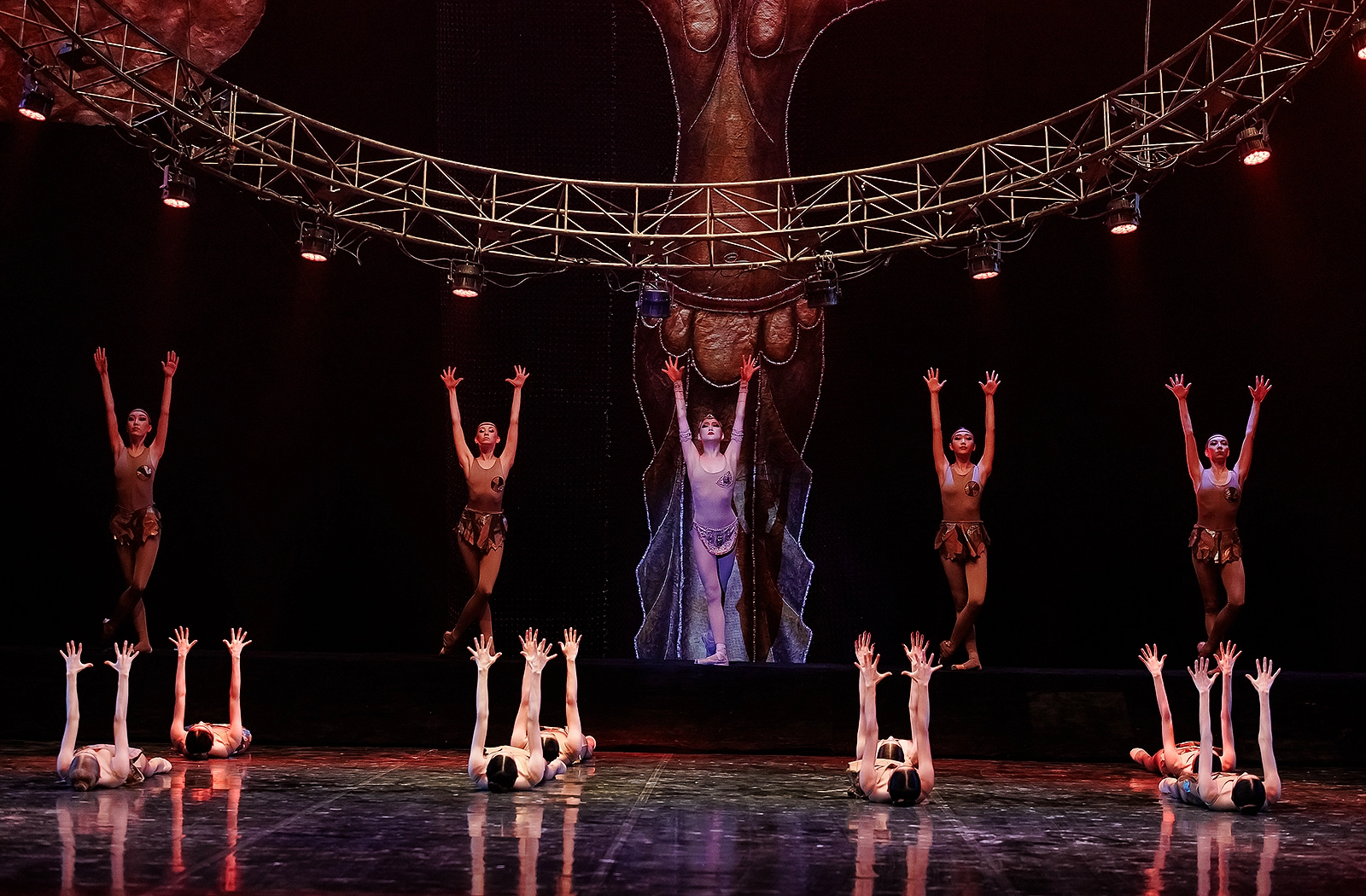
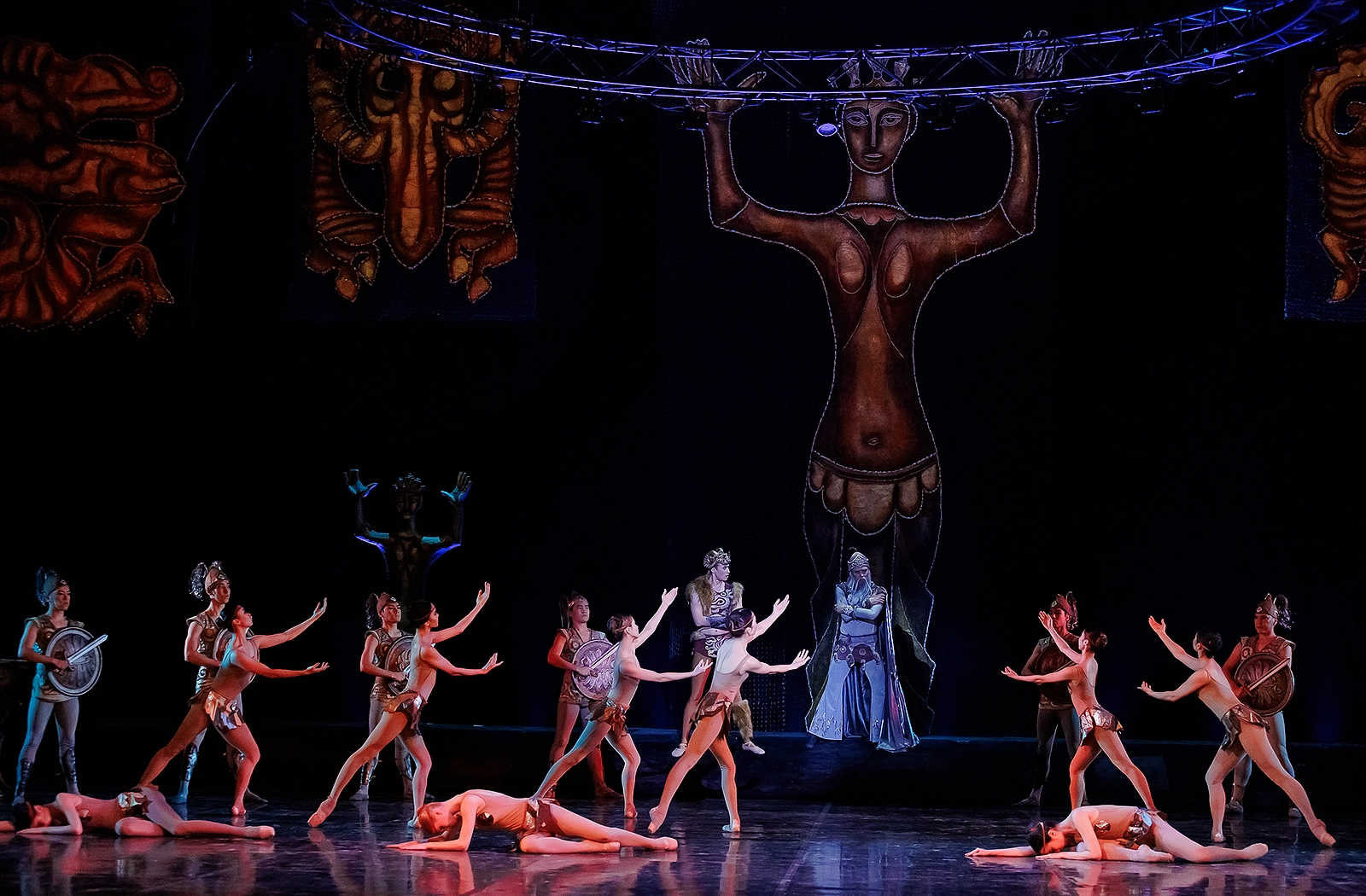
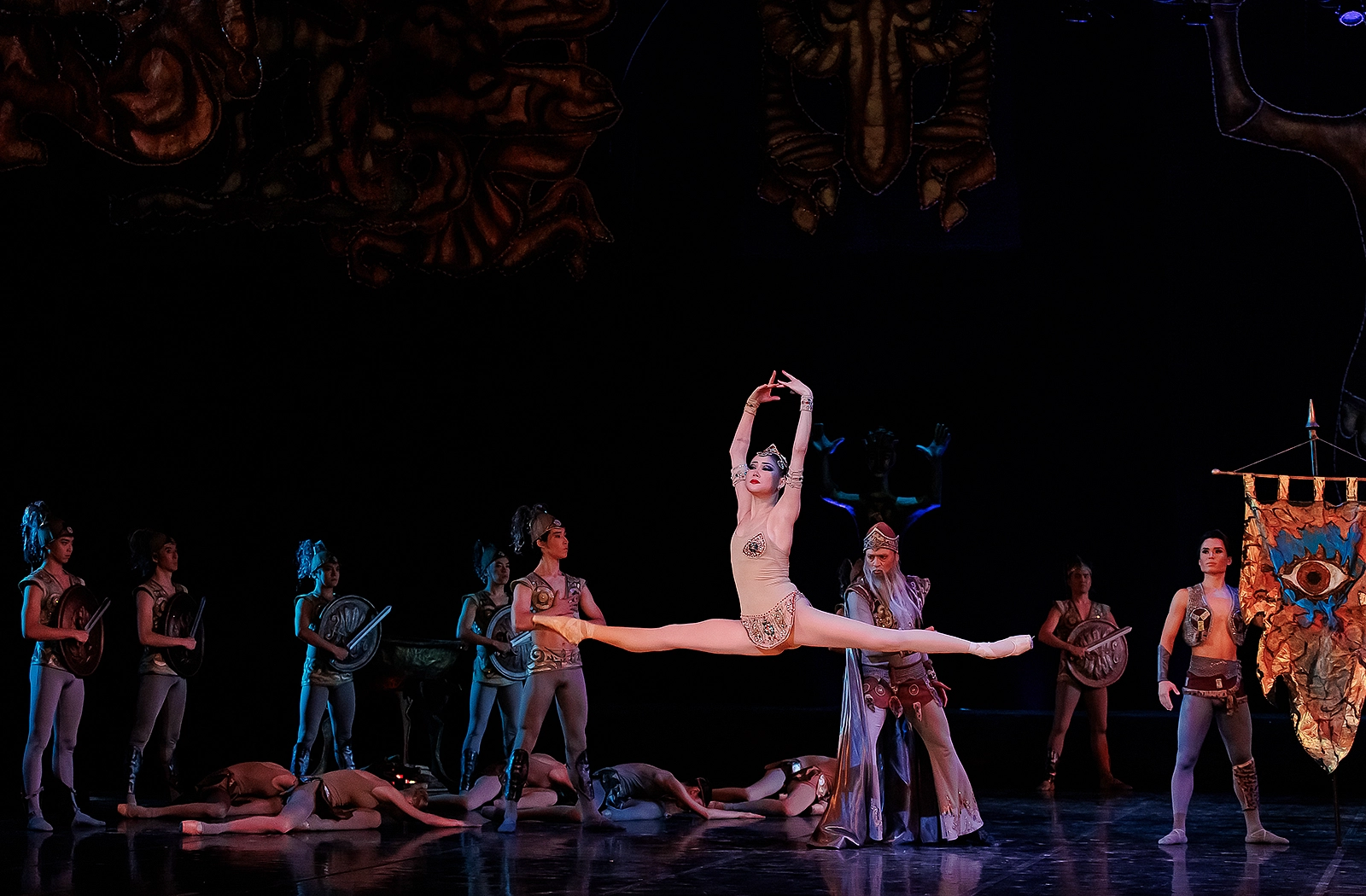
Ancient Assyria. In the temple of the goddess Ishtore, the priestess Shamkhat performs a sacred rite of worship.
The sun rises – immense, mysterious, enigmatic. Its ascent is greeted with a hymn. It is time for the hunters to set out. The maidens’ incantatory dance will bring them luck.
Suddenly, impenetrable darkness engulfs everything around. The rays of the sun grow dim. Fear and horror seize the people.
The Second Fresco “The Invasion of the Ishkuz”
We mounted our piebald horses,
pressed our hands to our bellies,
and the horde prayed before her,
bearing banners, banners.
In the center, the white Kagan flag,
wolf-headed and sun-threatening.
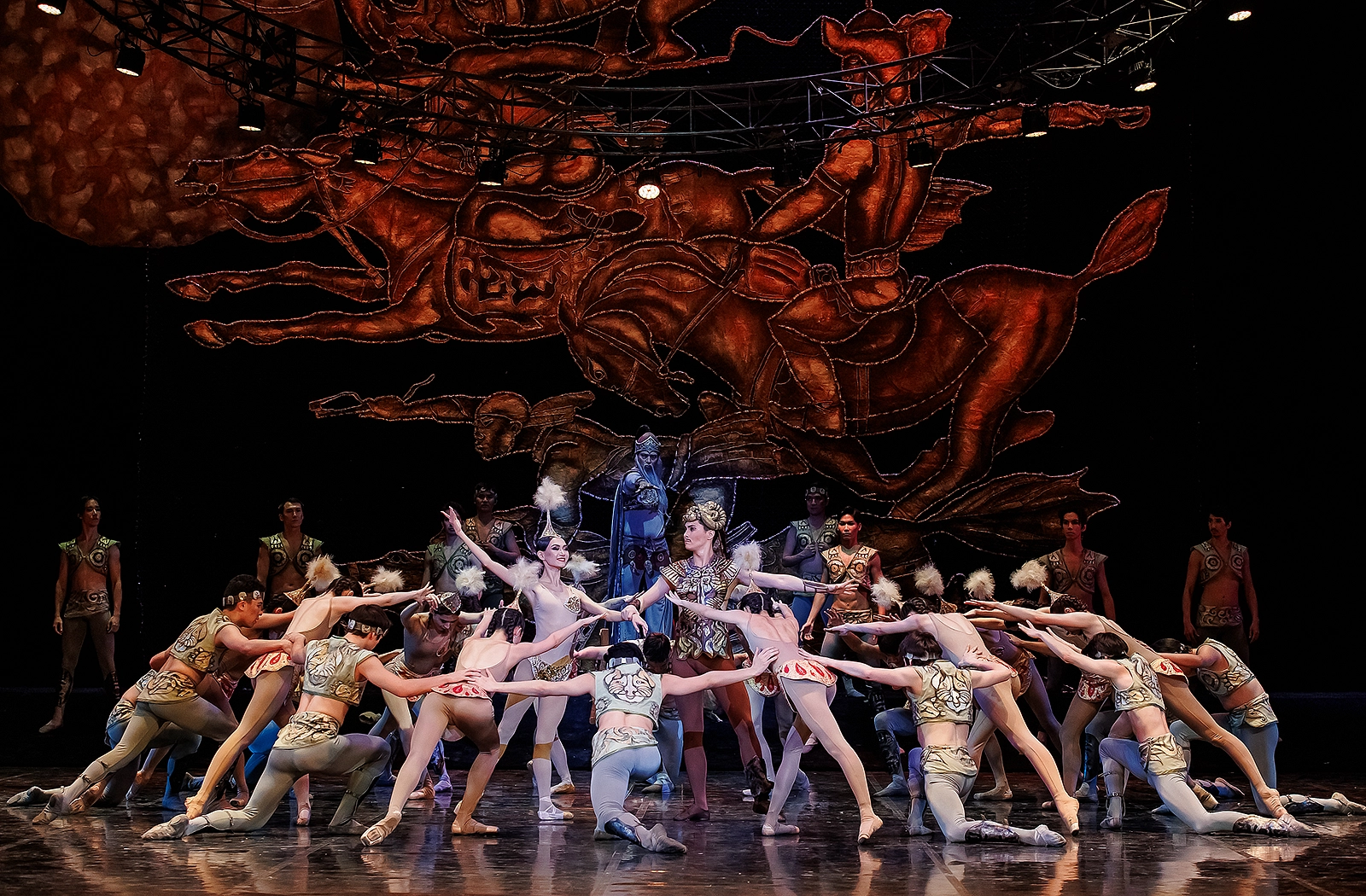
Like a whirlwind, the tumens of Ishkuz Khan Ishpak sweep away everything in their path.
The statue of Ishtore, giver of life and resurrection, is cast down. From now on, her place will be taken by a new deity – the great Tengri!
Only the priestess Shamkhat remains in proud defiance.
The Third Fresco “The Great Yazoo”
(Great Scripture)
“I stand above them by the height of a spear.
Ishkuz, be accursed as I am.
Give not your seed to strangers,
and make not your enemies like yourselves.”
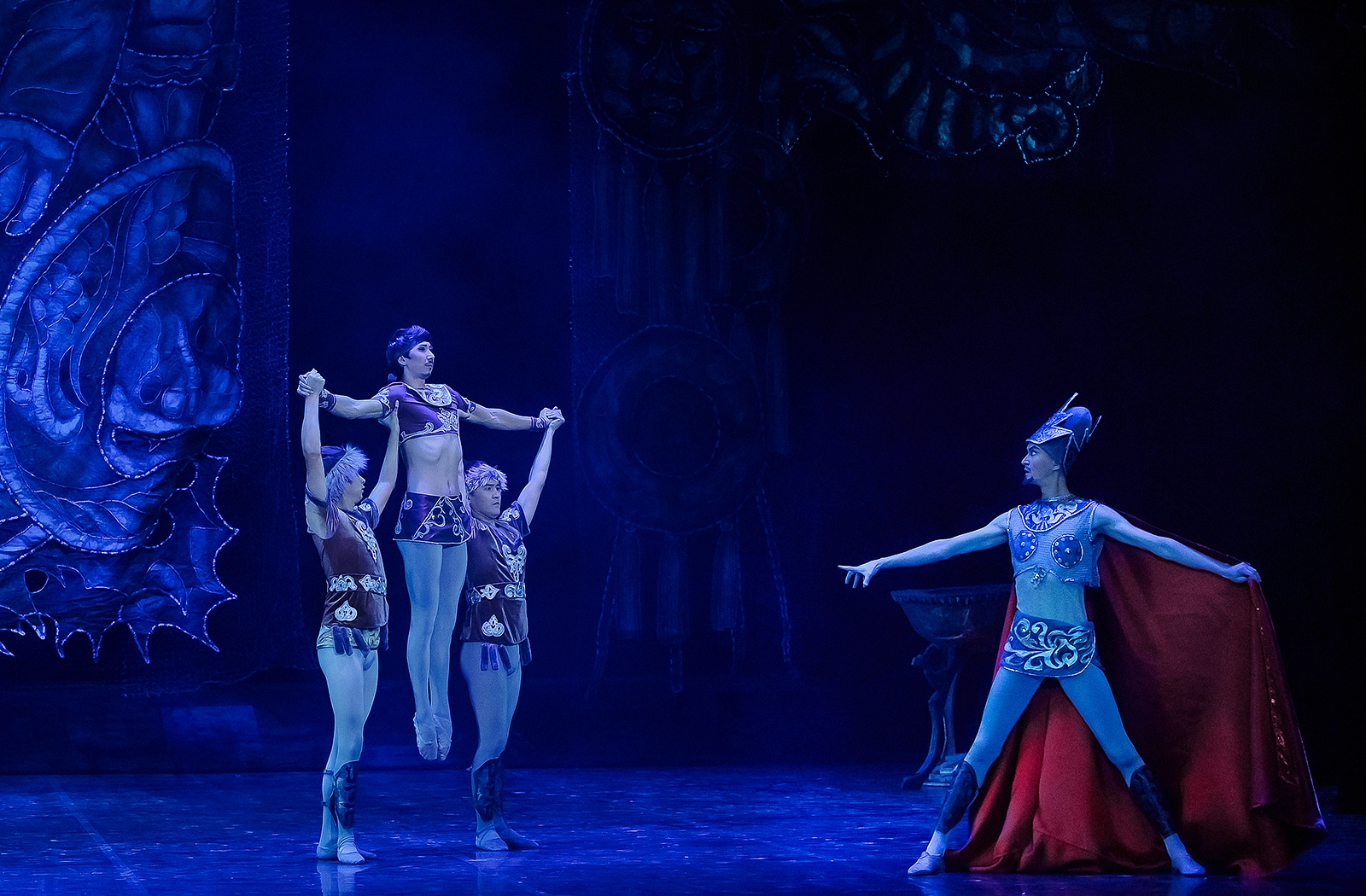
The glorious ancestor of the Ishkuz, Kene-Sary, perished in captivity, lifted by his enemies upon their spears. Neither promised glory nor heaps of priceless treasures could shake his steadfastness or his loyalty to his tribe. Royal maidens, seductively beautiful, were brought into his tent, yet he shared his bed with none of them. His death was terrible and cruel. In his final agony, he thought of his people.
The Fourth Fresco “The Wild Hunt”
Swift horses danced in the roar of spears,
to the music of swords,
at the feast of war.
The fabrics of smoky nights
spread beneath their feet.
Face to face with friends,
sword to sword with enemies,
the dust of the chase will rise!…
The boundless steppe trembles beneath the fury of the gallop. The fearless, mighty Centaur and his horses, pursuing the Ishkuz warriors, themselves become their prey.
The Fifth Fresco “Ishpak’s Crime”
Shamkhat walked away without raising her eyes.
Let it be no secret
that her eyes were two enormous,
burning spheres,
embraced by the furry paws of sacred scarabs.
She walked with narrow steps,
constrained by transparent veils.
Under cover of night, Ishpak secretly enters the temple of the goddess Ishtore. Once again he is overcome by Shamkhat’s dazzling beauty. But the priestess is unyielding. She cannot love the Khan, for he is a man of another faith.
Forgetting Kene-Sary’s command, maddened by passion, Ishpak is ready, for Shamkhat’s sake, to betray his faith and renounce Tengri.
Act Two
The Sixth Fresco “The Arena”
A white tent with a black top
stood in the steppe scorched by heat,
in a bend of the Tigris, near Harrapa.
The judges’ tent was a six-winged nest.
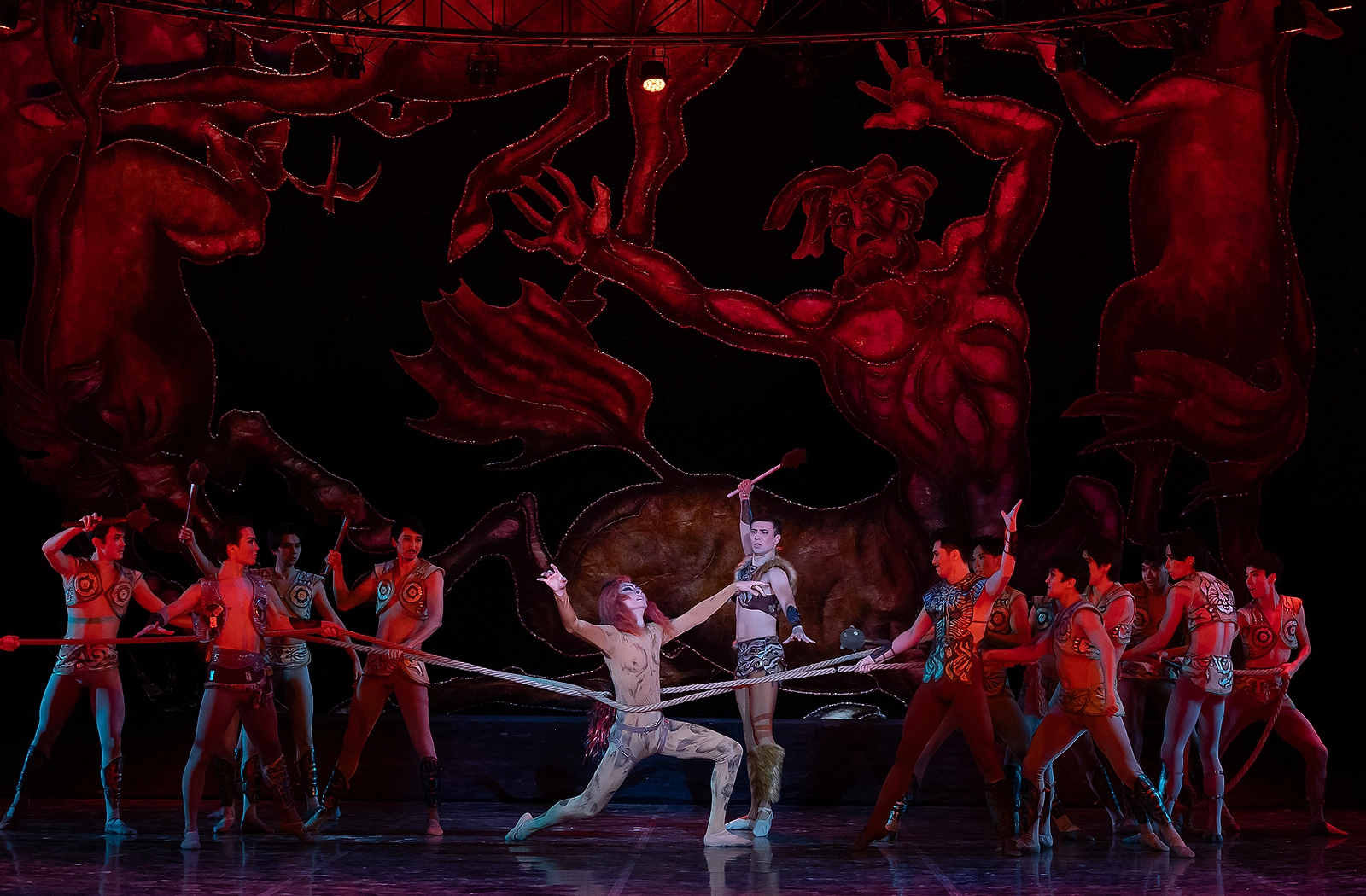
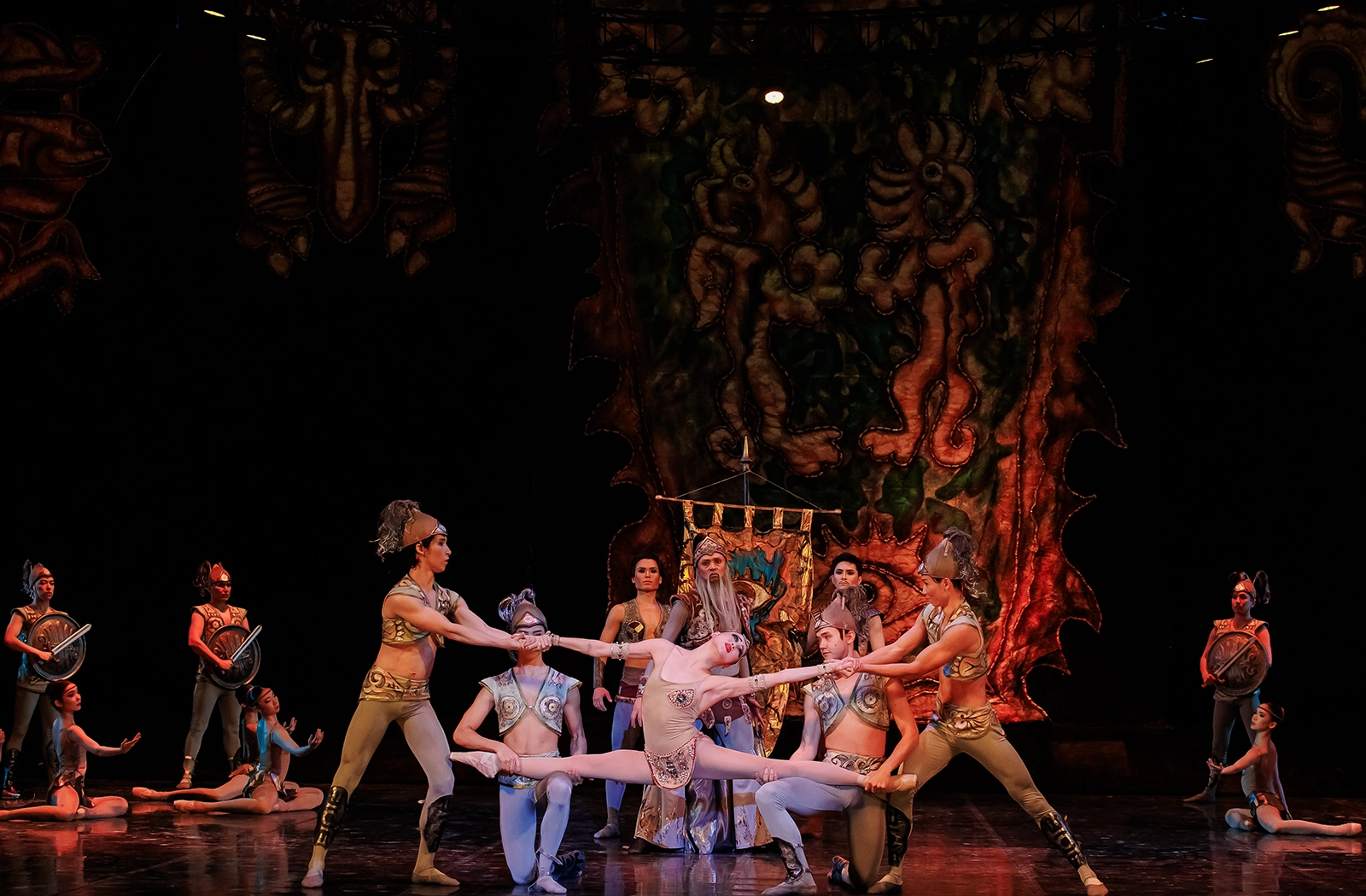
The wisest Khor-Akhte and the elders of the eight Uruk clans have gathered to judge Khan Ishpak, who has transgressed the laws of the ancestors, the laws of the Great Yazoo.
There is no mercy for the apostate! Let the duel with the Centaur decide his fate!
The Seventh Fresco “Funeral Feast”
Wine is offered in sacrifice
upon the fires…
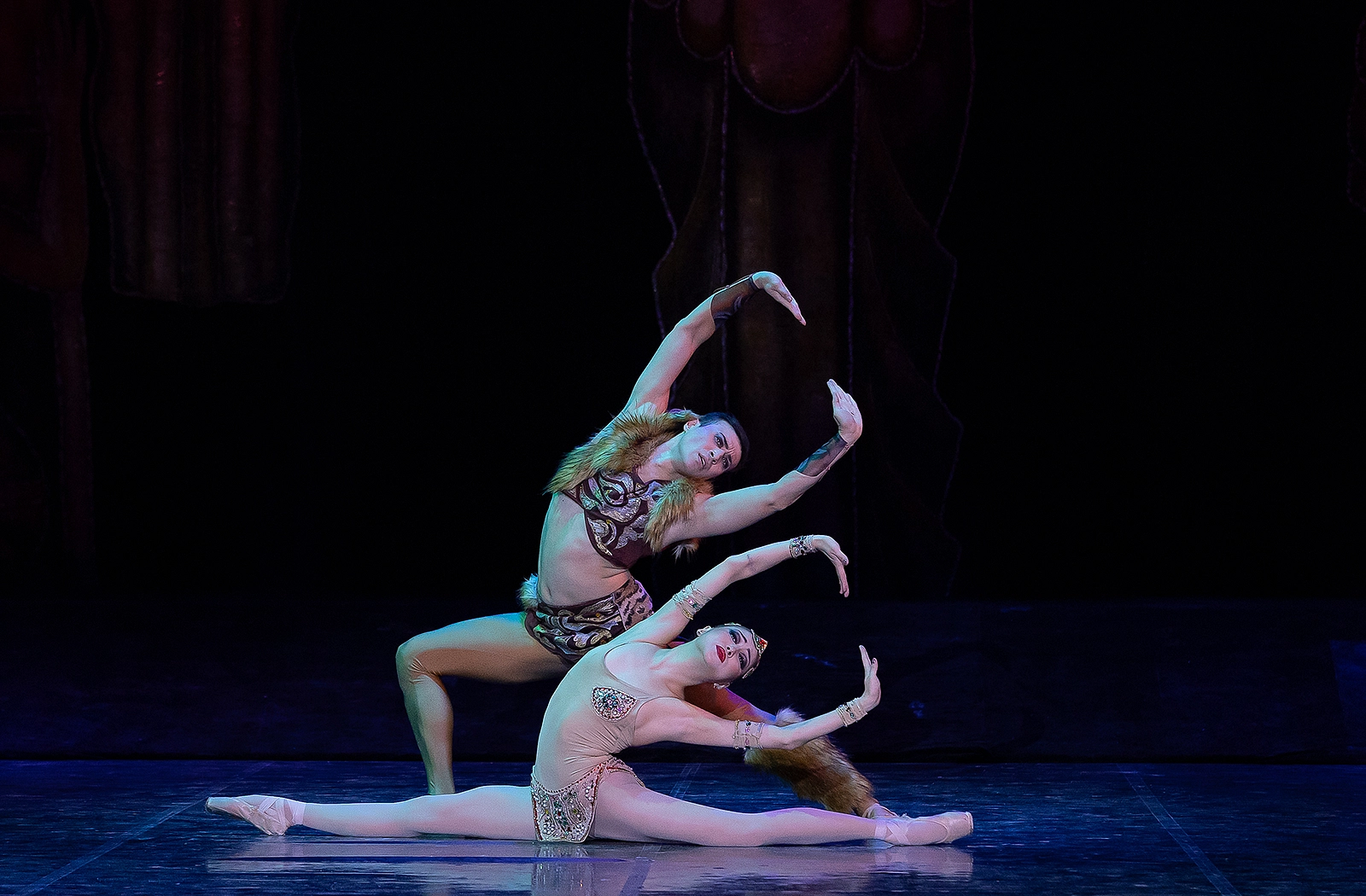
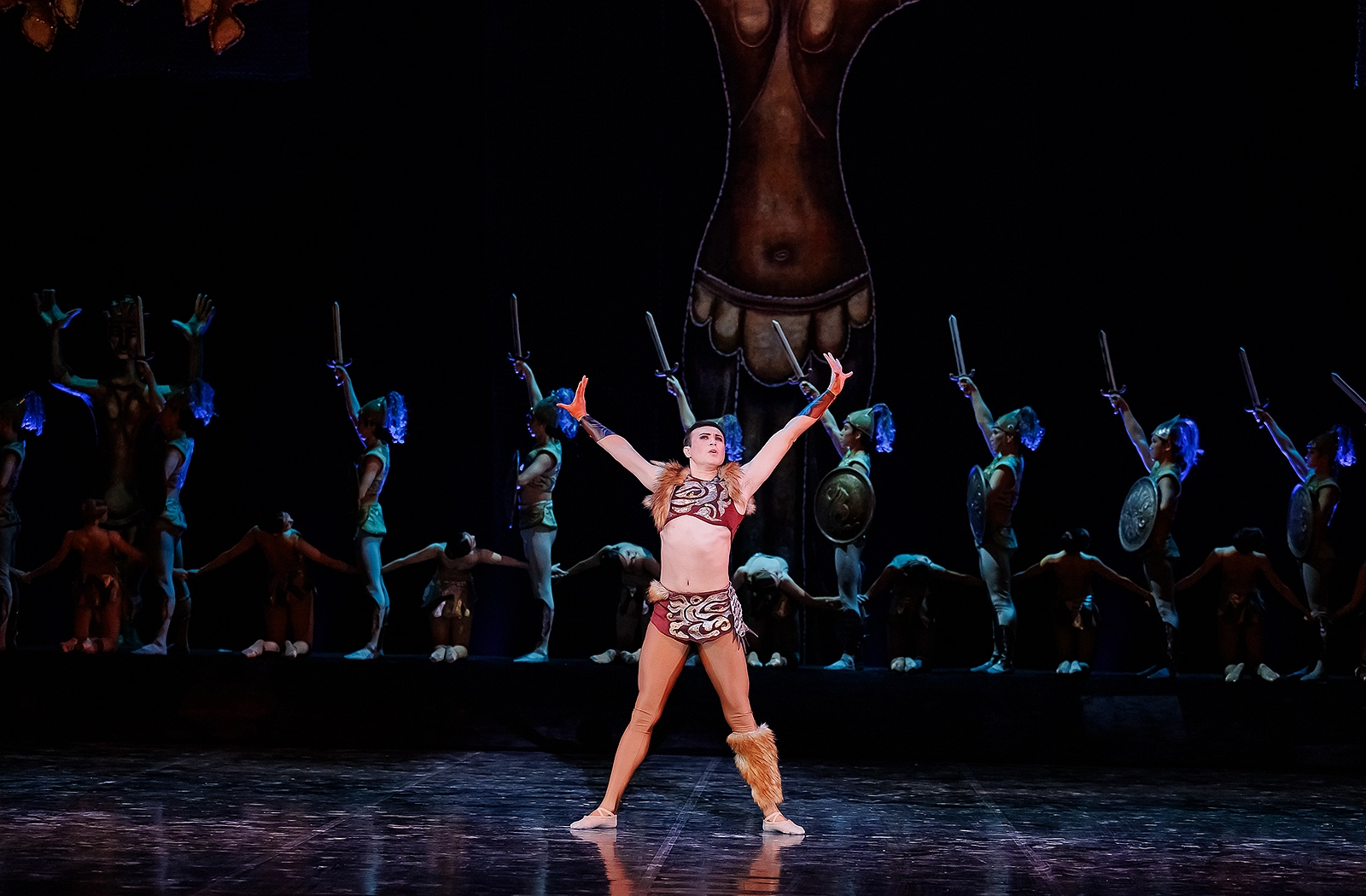
The Ishkuz hold a funeral feast for Khan Ishpak. Sacrifices are made in his memory. Young warriors strive to emulate him in agility, strength, and martial skill. The nameless victor is awarded a helmet with buffalo horns, and from among the most beautiful maidens a companion is chosen for him.
The Eighth Fresco “Shamkhat’s Sacrifice”
The Khan was lonely without her,
and she was lonely too.
So be it – she desired it,
and no one held her back.
She
descended the steps
down
to the bottom
of the grave.
Shamkhat cannot survive the death of her beloved. She is ready to share Ishpak’s fate. The funeral tent will become their last refuge.
The Ninth Fresco “The Election of a New Khan”
We shall return to our feather grass,
the empty hundreds will grow thin,
and into the borders of our native land
let empty saddles come rushing in.
Clods of earth have covered the tent of Ishpak and Shamkhat.
Khor-Akhte and the elders of the Uruks choose a new Khan. The lot falls upon young Kosog.
In battle with the Nameless master of the helmet, he emerges victorious. He is worthy to become Khan. The Ishkuz praise their new leader. He will lead them toward the sunrise. A long and difficult road awaits them. Their homeland awaits them.
Dedicated to the 90th anniversary of Olzhas Suleimenov
At the Abay Theatre, the ballet Frescoes unfolds as a poetic and dramatic story of love, sacrifice, and fate, brought to life through the expressive choreography and music of T. Mynbayev.
T. Mynbayev
Frescoes
Ballet in two acts
Choreography and libretto by Zaurbek Raybayev
Based on O. Suleimenov’s poem “The Clay Book”
At the Abay Opera House, the premiere took place in 1981
Revival on 25.06.2022
Production Team:
Production Conductor – Yerbolat Akhmedyarov, Honored Worker of the Republic of Kazakhstan
Artistic Director of the Revival – Gulzhan Tutkibayeva, People’s Artist of the Republic of Kazakhstan
Production Designer – Yevgeniy Sidorkin, Honored Artist of the Kazakh SSR, Laureate of the Chokan Valikhanov State Prize of the Kazakh SSR, People’s Artist of the Kazakh SSR
Revival Designer – Vyacheslav Okunev, People’s Artist of the Russian Federation, Laureate of State Prizes
Chief Chorus Master – Aliya Temirbekova, Honored Worker of the Republic of Kazakhstan
Characters
- Shamkhat, priestess of the temple of Ishtore
- Ishbaqa, chieftain of the Ishquzy tribe
- Khor-Akhte, the elder
- Centaur
- Horse
- Kosog
- Nameless
- Kosog’s bride
- Sary-Kene
- Kagan of the Kyr-quzy tribe
Act One
The First Fresco “Stone Women”
The eyes are not lotuses –
they are blind cracks.
(Truly, strike a stone,
and you will strike a woman.)
Let the full-breasted statue
tell posterity of dangerous times.
Ancient Assyria. In the temple of the goddess Ishtore, the priestess Shamkhat performs a sacred rite of worship.
The sun rises – immense, mysterious, enigmatic. Its ascent is greeted with a hymn. It is time for the hunters to set out. The maidens’ incantatory dance will bring them luck.
Suddenly, impenetrable darkness engulfs everything around. The rays of the sun grow dim. Fear and horror seize the people.
The Second Fresco “The Invasion of the Ishkuz”
We mounted our piebald horses,
pressed our hands to our bellies,
and the horde prayed before her,
bearing banners, banners.
In the center, the white Kagan flag,
wolf-headed and sun-threatening.
Like a whirlwind, the tumens of Ishkuz Khan Ishpak sweep away everything in their path.
The statue of Ishtore, giver of life and resurrection, is cast down. From now on, her place will be taken by a new deity – the great Tengri!
Only the priestess Shamkhat remains in proud defiance.
The Third Fresco “The Great Yazoo”
(Great Scripture)
“I stand above them by the height of a spear.
Ishkuz, be accursed as I am.
Give not your seed to strangers,
and make not your enemies like yourselves.”
The glorious ancestor of the Ishkuz, Kene-Sary, perished in captivity, lifted by his enemies upon their spears. Neither promised glory nor heaps of priceless treasures could shake his steadfastness or his loyalty to his tribe. Royal maidens, seductively beautiful, were brought into his tent, yet he shared his bed with none of them. His death was terrible and cruel. In his final agony, he thought of his people.
The Fourth Fresco “The Wild Hunt”
Swift horses danced in the roar of spears,
to the music of swords,
at the feast of war.
The fabrics of smoky nights
spread beneath their feet.
Face to face with friends,
sword to sword with enemies,
the dust of the chase will rise!…
The boundless steppe trembles beneath the fury of the gallop. The fearless, mighty Centaur and his horses, pursuing the Ishkuz warriors, themselves become their prey.
The Fifth Fresco “Ishpak’s Crime”
Shamkhat walked away without raising her eyes.
Let it be no secret
that her eyes were two enormous,
burning spheres,
embraced by the furry paws of sacred scarabs.
She walked with narrow steps,
constrained by transparent veils.
Under cover of night, Ishpak secretly enters the temple of the goddess Ishtore. Once again he is overcome by Shamkhat’s dazzling beauty. But the priestess is unyielding. She cannot love the Khan, for he is a man of another faith.
Forgetting Kene-Sary’s command, maddened by passion, Ishpak is ready, for Shamkhat’s sake, to betray his faith and renounce Tengri.
Act Two
The Sixth Fresco “The Arena”
A white tent with a black top
stood in the steppe scorched by heat,
in a bend of the Tigris, near Harrapa.
The judges’ tent was a six-winged nest.
The wisest Khor-Akhte and the elders of the eight Uruk clans have gathered to judge Khan Ishpak, who has transgressed the laws of the ancestors, the laws of the Great Yazoo.
There is no mercy for the apostate! Let the duel with the Centaur decide his fate!
The Seventh Fresco “Funeral Feast”
Wine is offered in sacrifice
upon the fires…
The Ishkuz hold a funeral feast for Khan Ishpak. Sacrifices are made in his memory. Young warriors strive to emulate him in agility, strength, and martial skill. The nameless victor is awarded a helmet with buffalo horns, and from among the most beautiful maidens a companion is chosen for him.
The Eighth Fresco “Shamkhat’s Sacrifice”
The Khan was lonely without her,
and she was lonely too.
So be it – she desired it,
and no one held her back.
She
descended the steps
down
to the bottom
of the grave.
Shamkhat cannot survive the death of her beloved. She is ready to share Ishpak’s fate. The funeral tent will become their last refuge.
The Ninth Fresco “The Election of a New Khan”
We shall return to our feather grass,
the empty hundreds will grow thin,
and into the borders of our native land
let empty saddles come rushing in.
Clods of earth have covered the tent of Ishpak and Shamkhat.
Khor-Akhte and the elders of the Uruks choose a new Khan. The lot falls upon young Kosog.
In battle with the Nameless master of the helmet, he emerges victorious. He is worthy to become Khan. The Ishkuz praise their new leader. He will lead them toward the sunrise. A long and difficult road awaits them. Their homeland awaits them.
Cast and Performers
The cast will be announced along with the official date
Gallery
Gallery