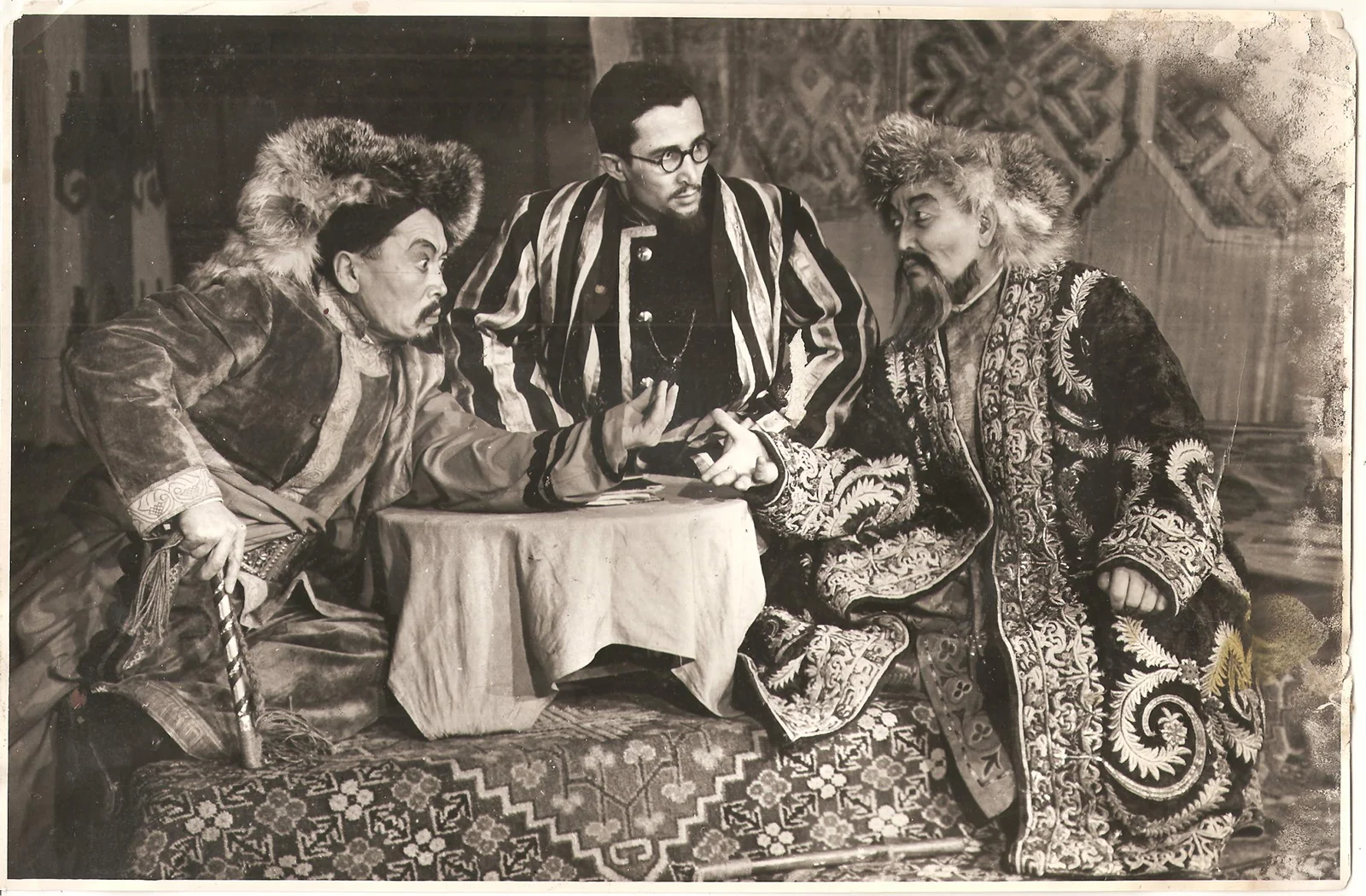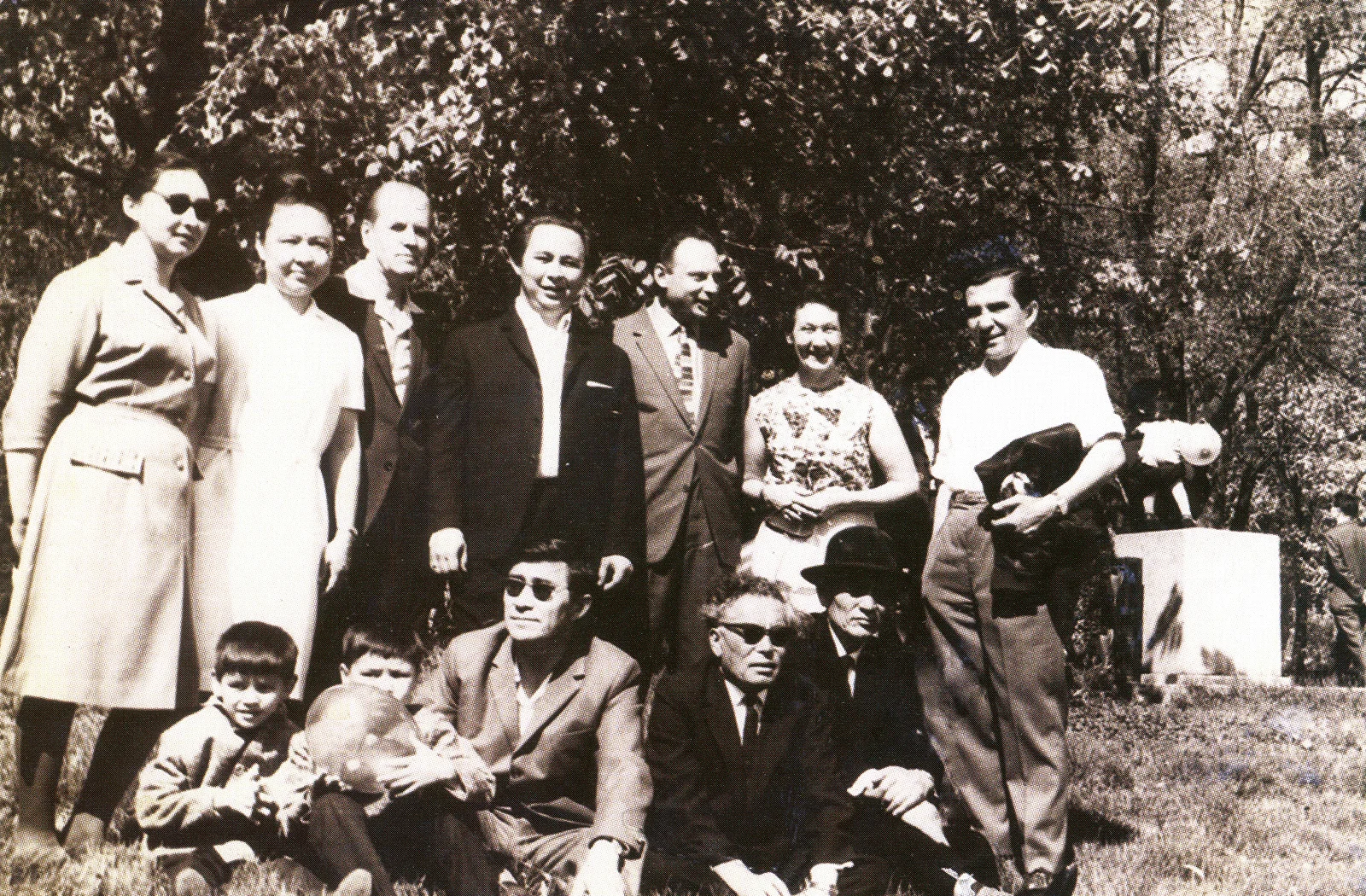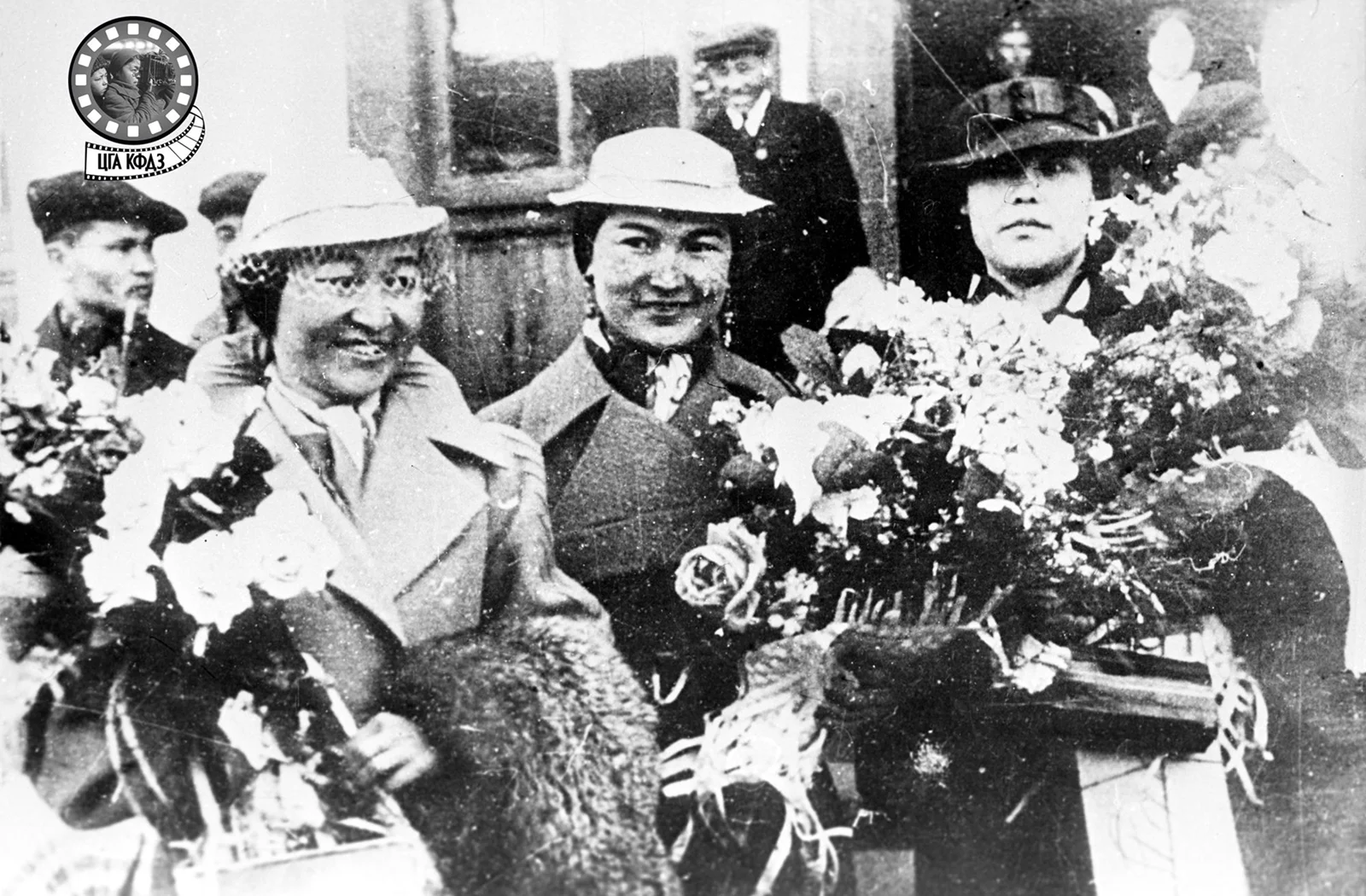
History of the theater
1925
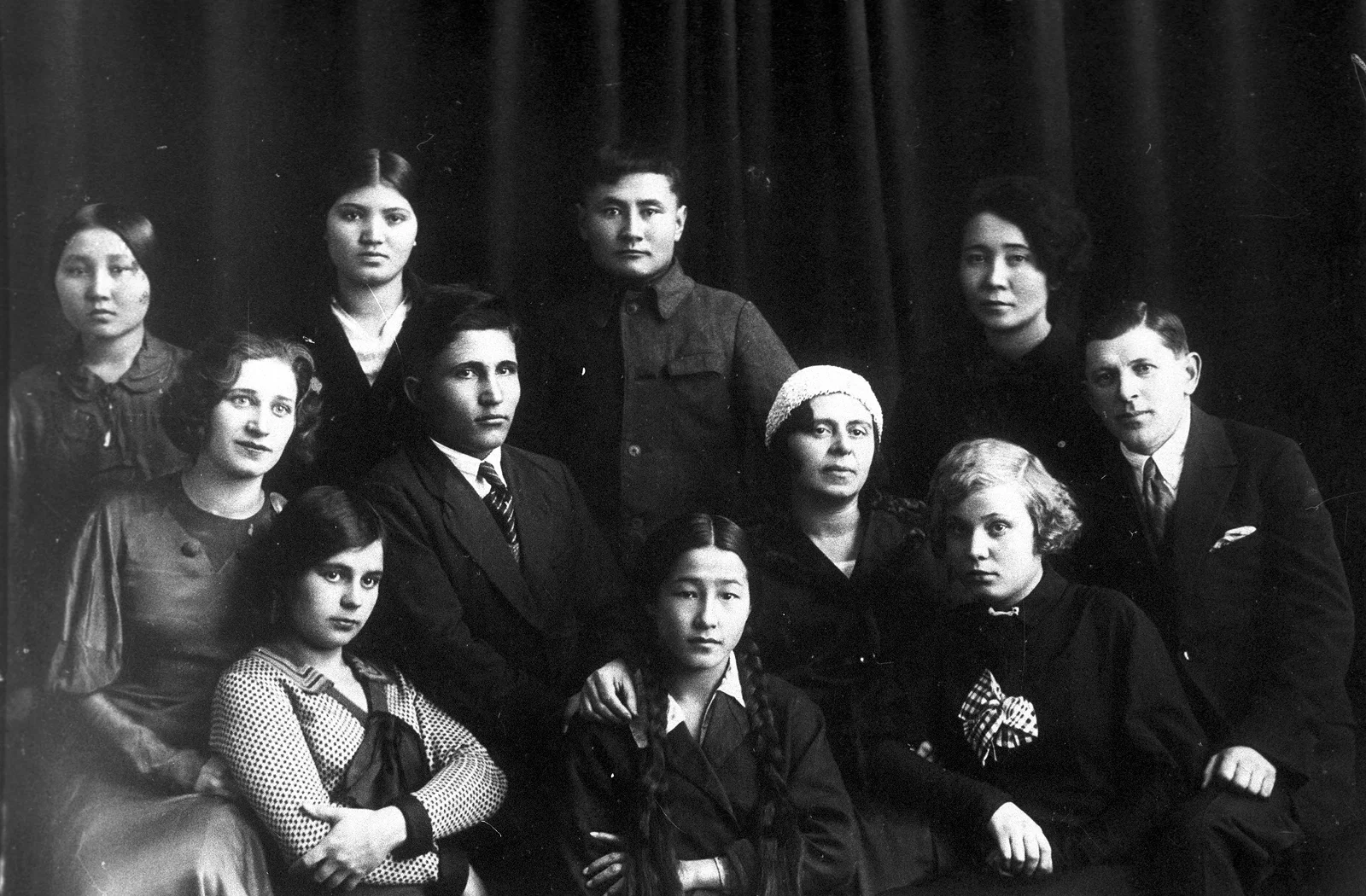
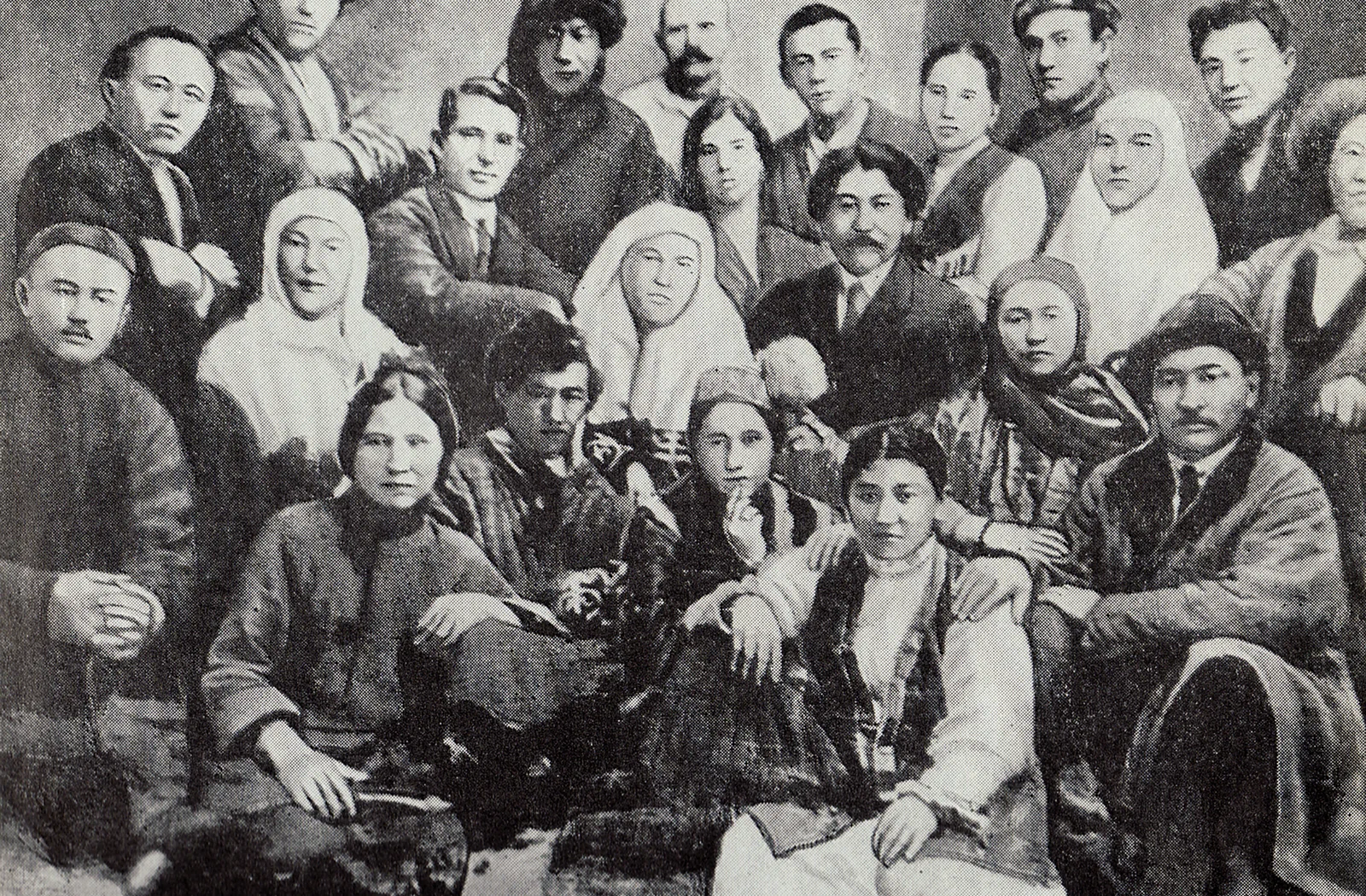
The foundation of professional Kazakh theatre was laid in Kyzylorda by a decree of the Kazakhstan People’s Commissariat for Education.
1933
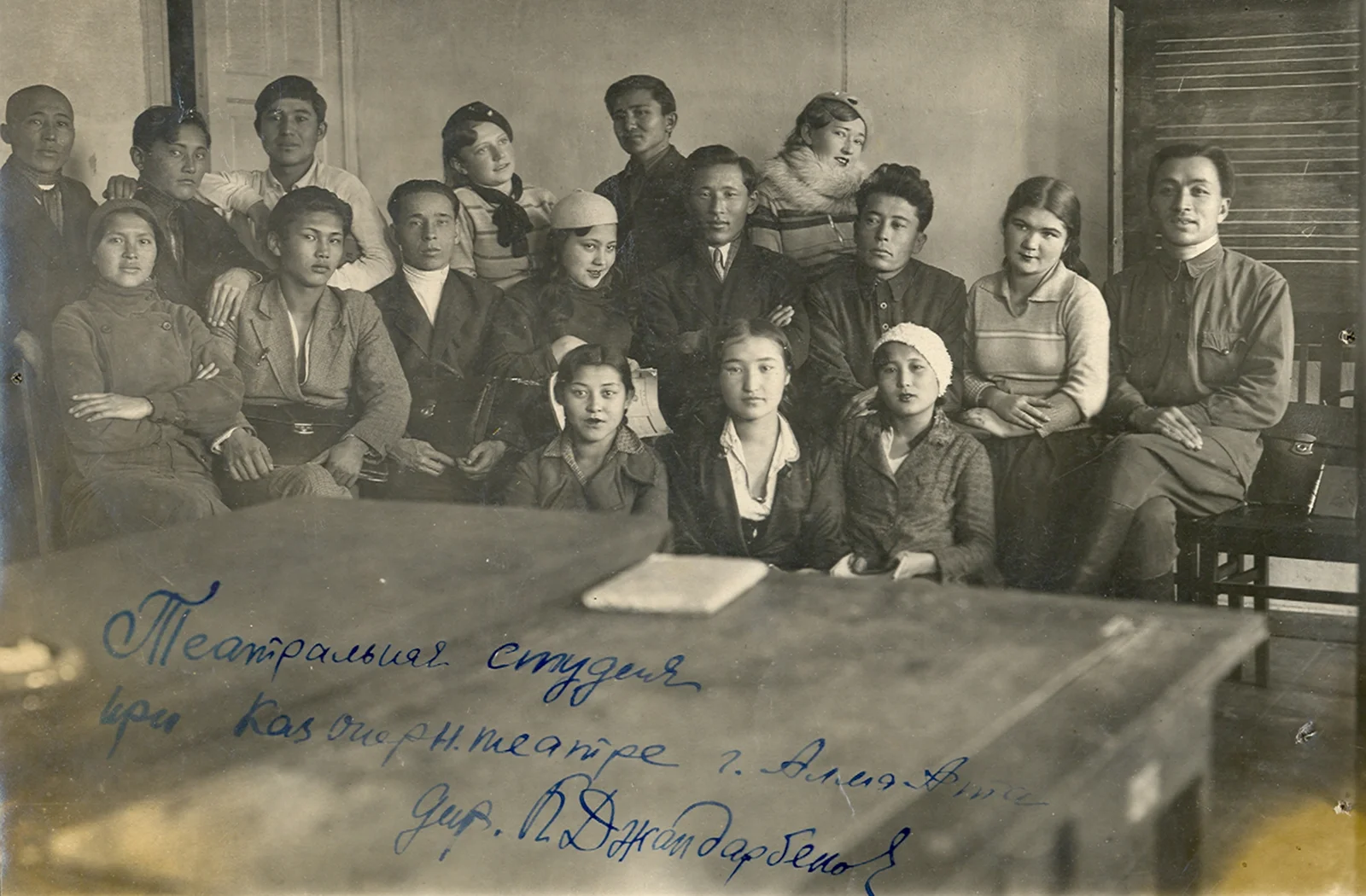
A decision was made to establish a State Musical Studio in Alma-Ata, which would later become the foundation of the future Kazakh Musical Theatre of Opera and Ballet.
1934
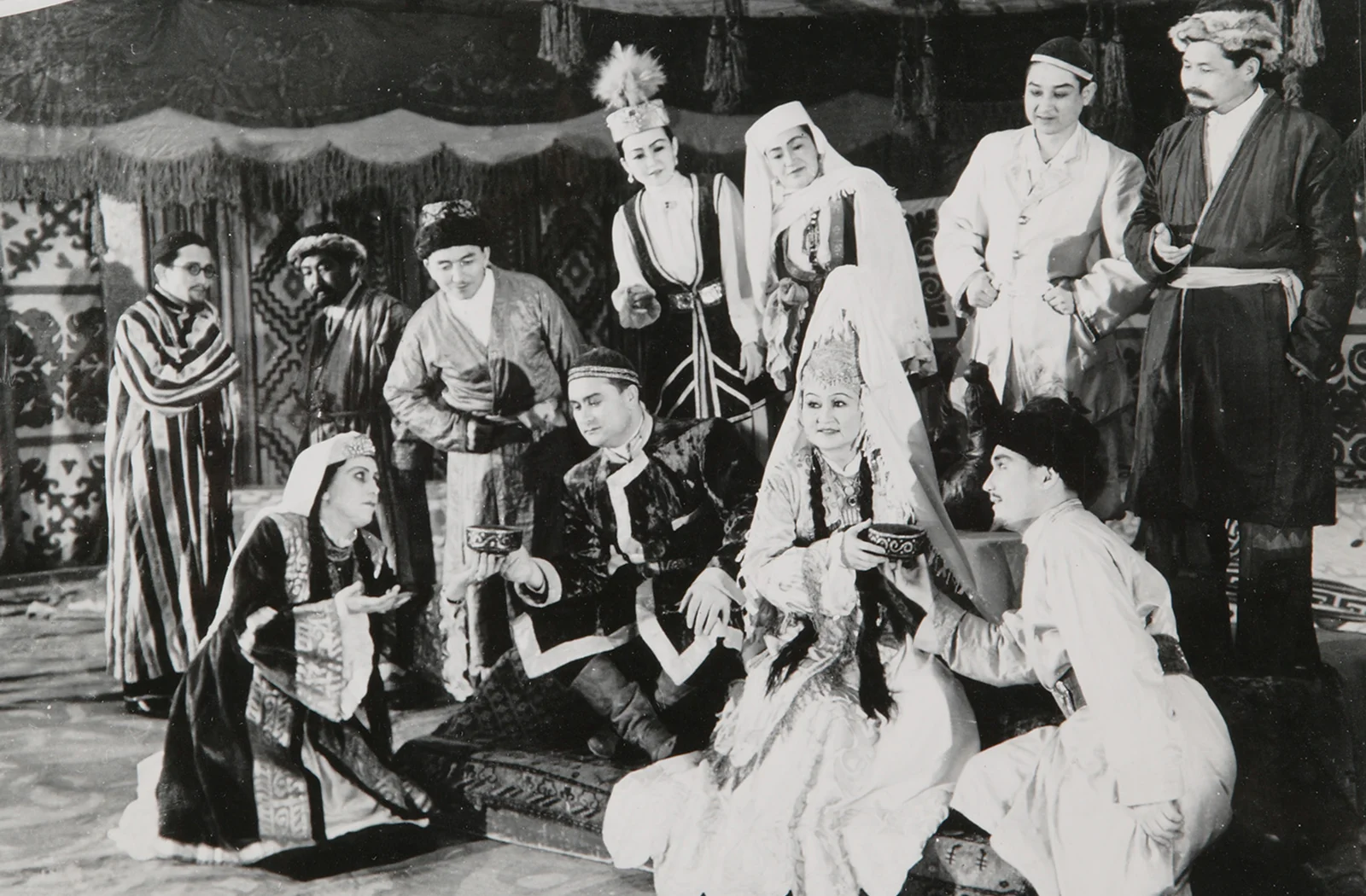
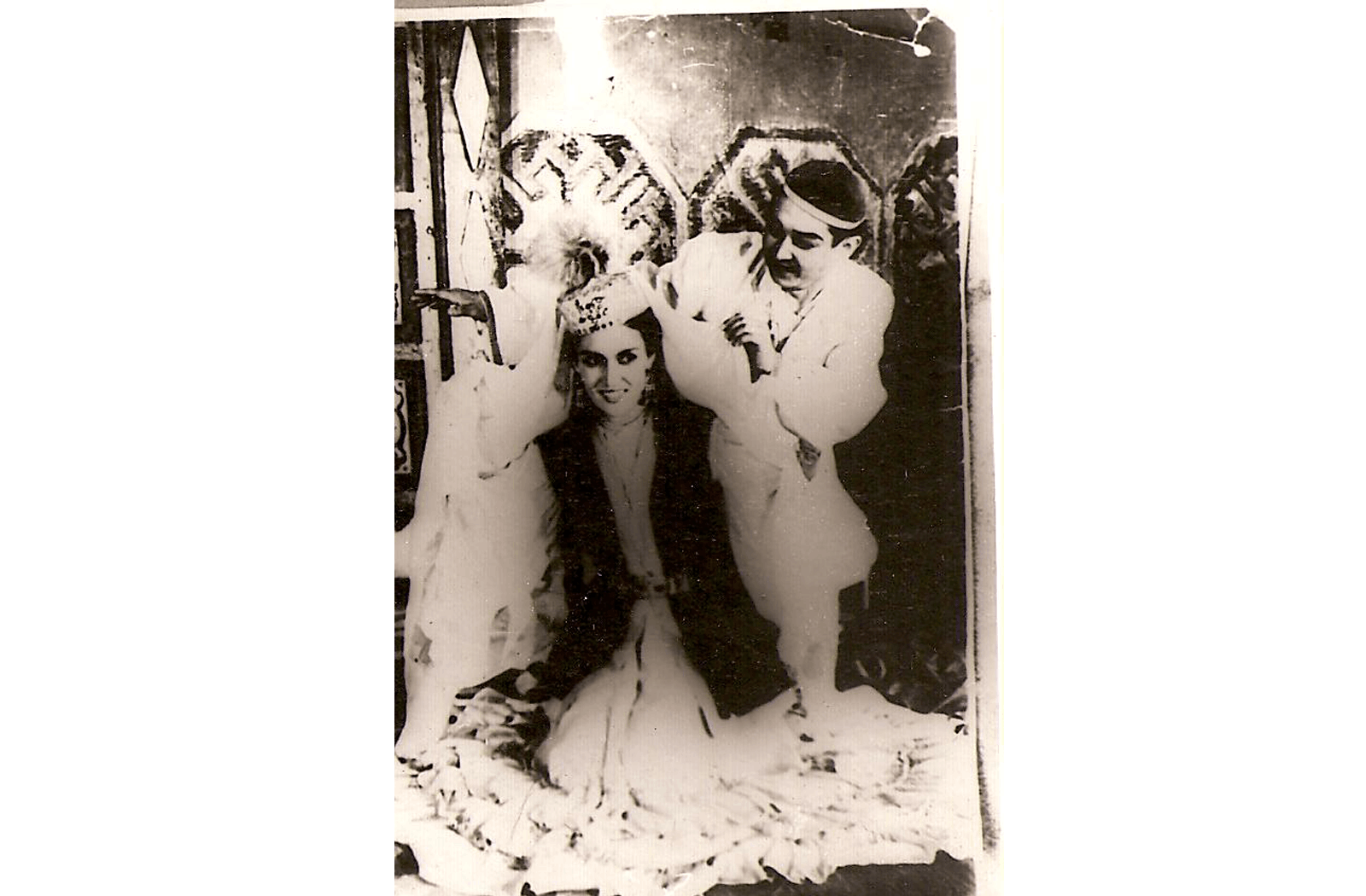
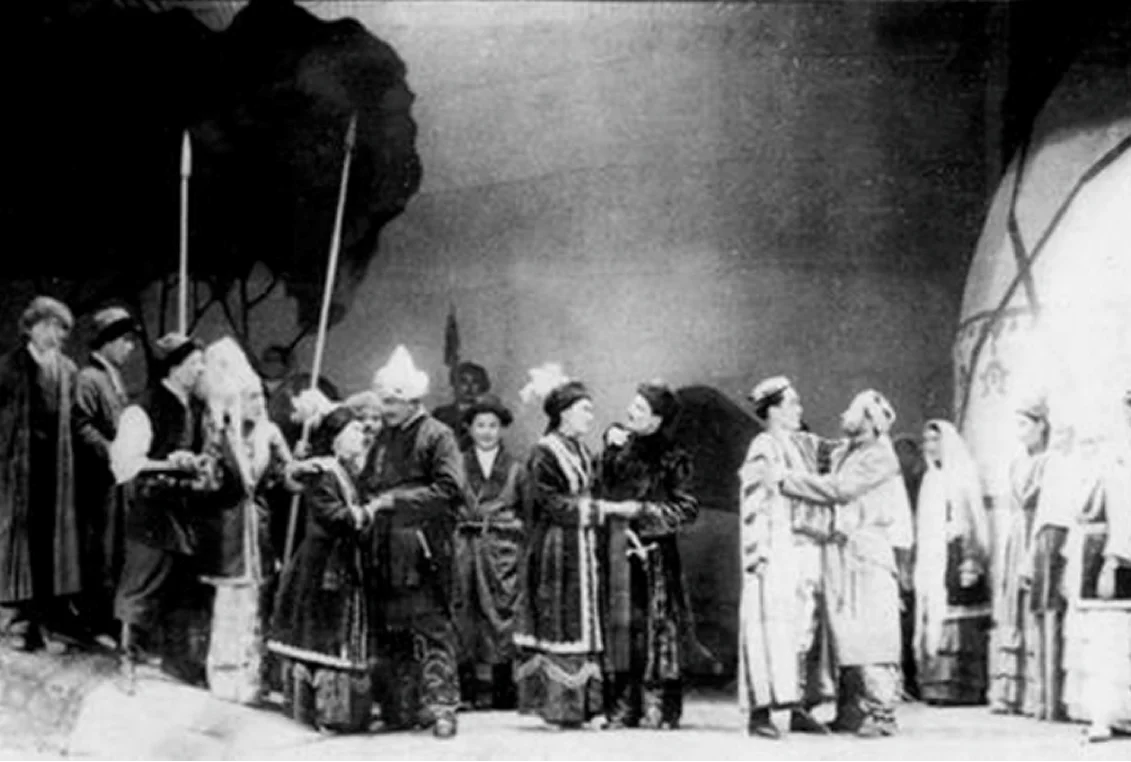
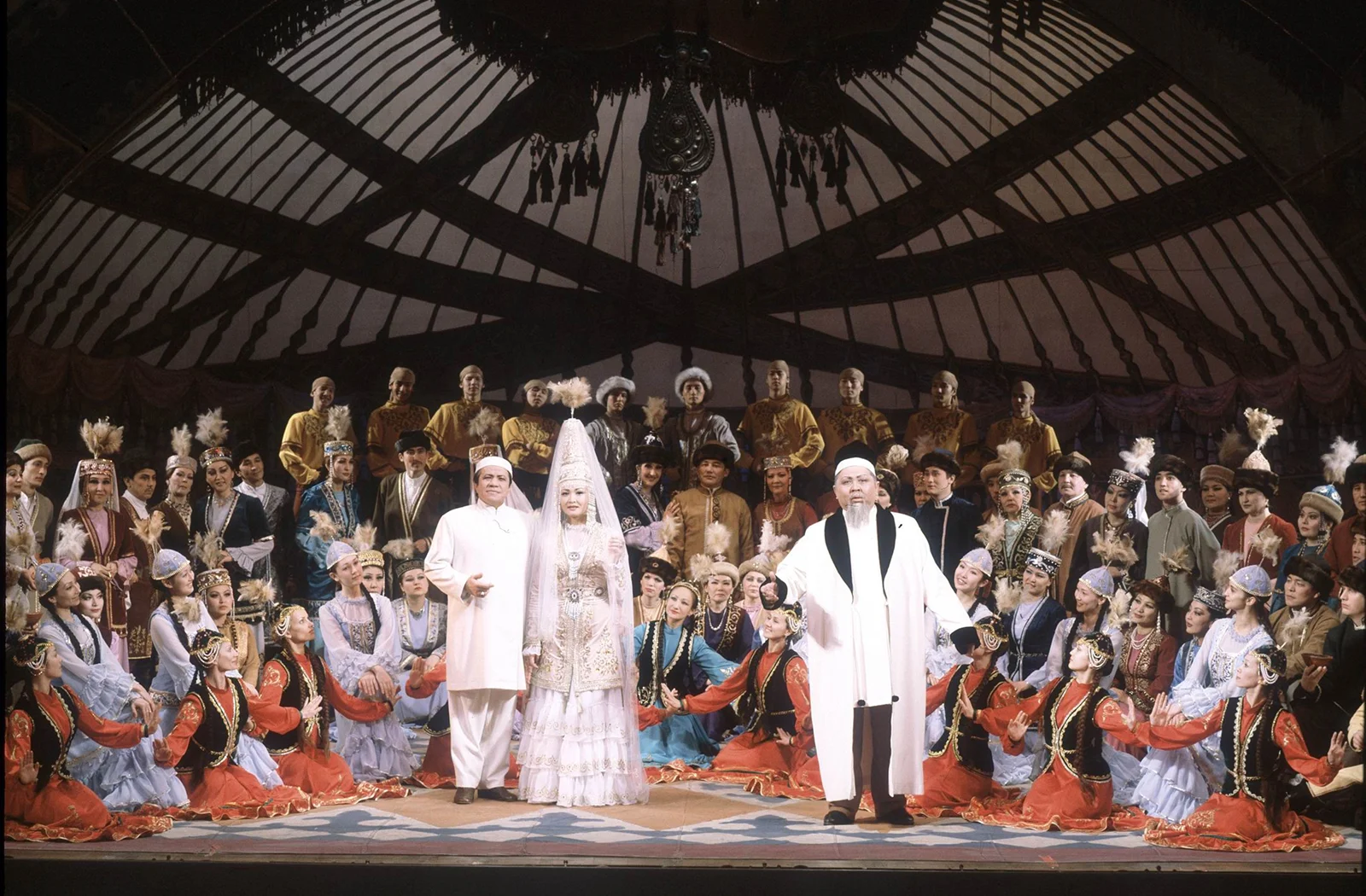
On January 13, the theatre officially opened with the musical performance Aiman-Sholpan, based on a libretto by Mukhtar Auezov. A few days later, the studio was reorganized into the Kazakh State Musical Theatre.
1935
A Russian troupe was formed. The repertoire expanded to include masterpieces of world opera classics.
1936
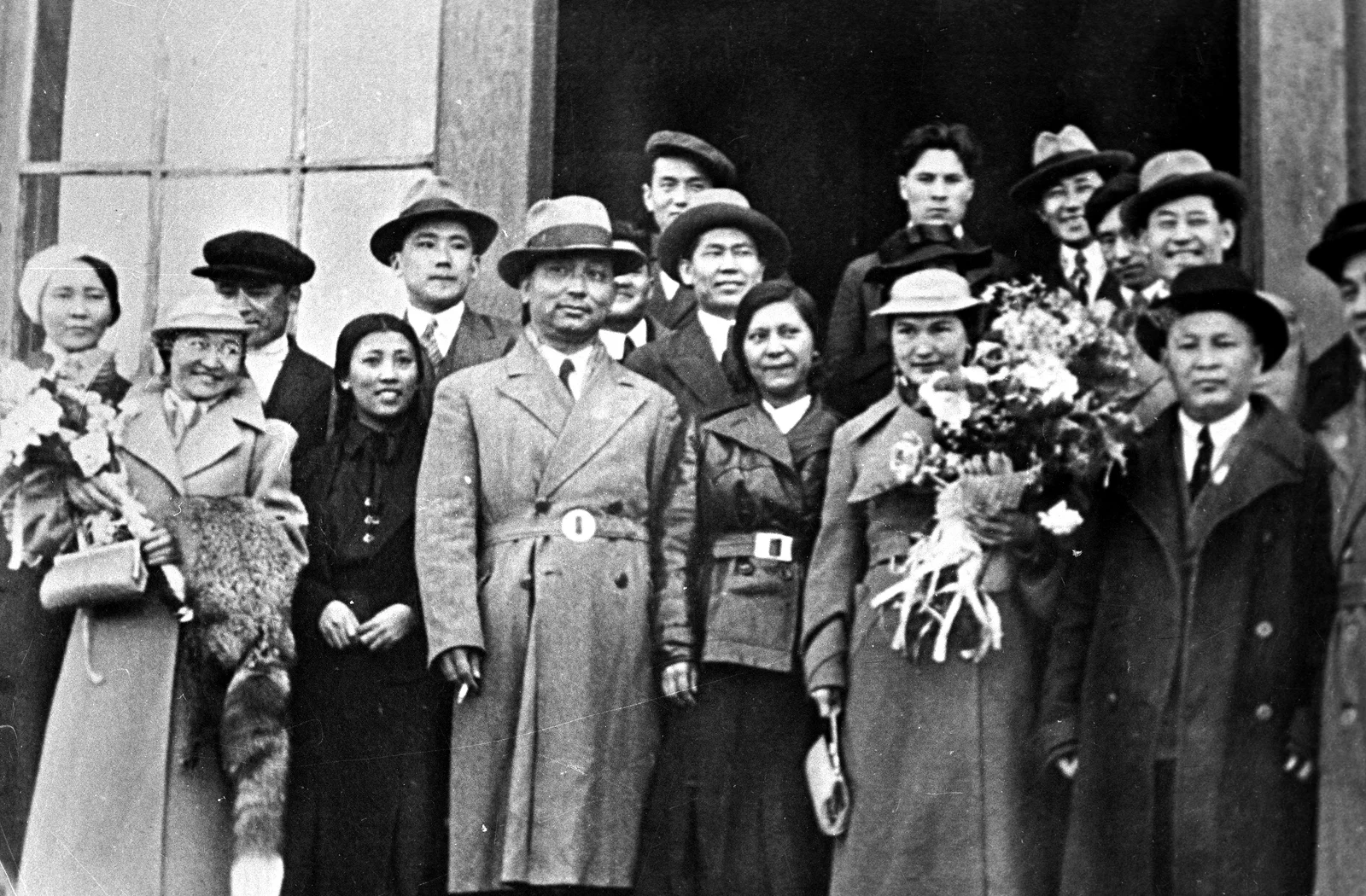
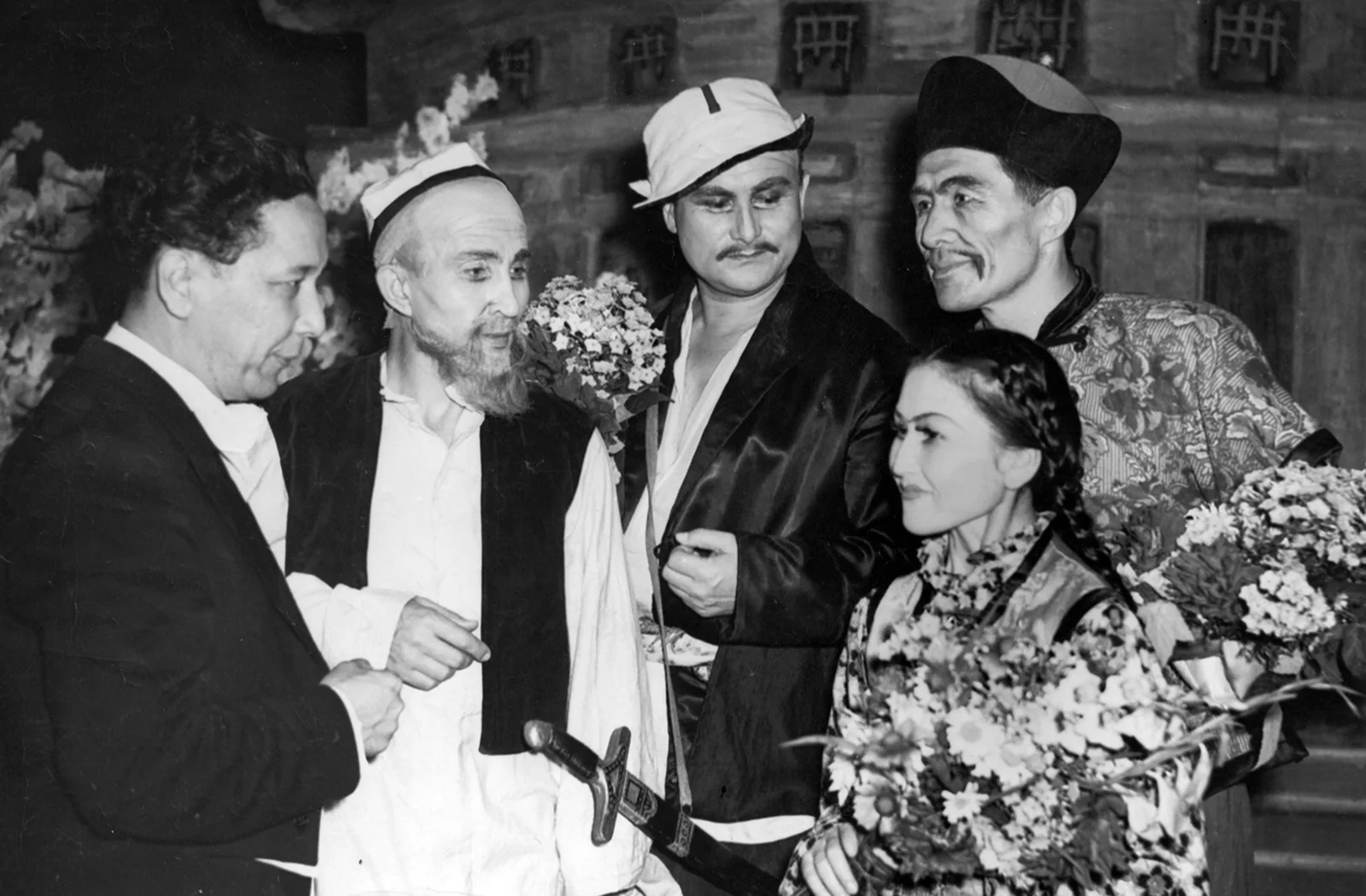
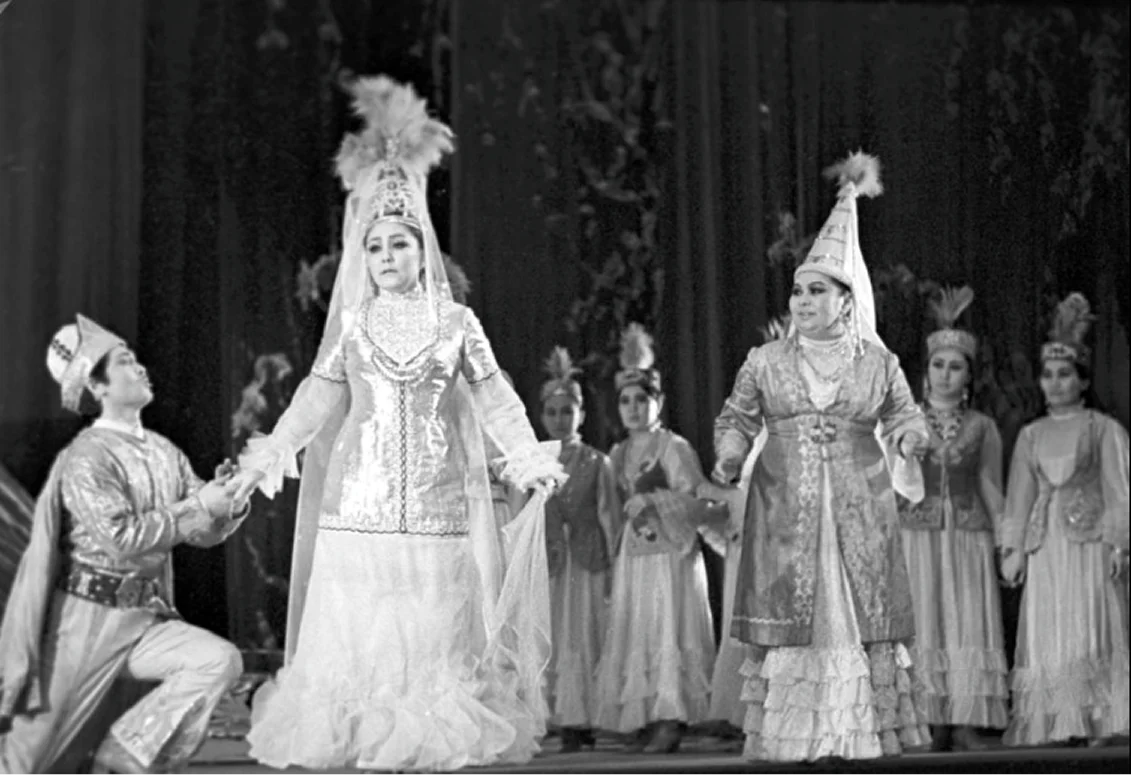
During the Decade of Kazakh Literature and Art in Moscow, the operas Kyz Zhibek and Zhalbyr were presented to wide acclaim.
1937
The theatre was officially named the Kazakh State Theatre of Opera and Ballet. The opera Er Targyn was staged.
1938
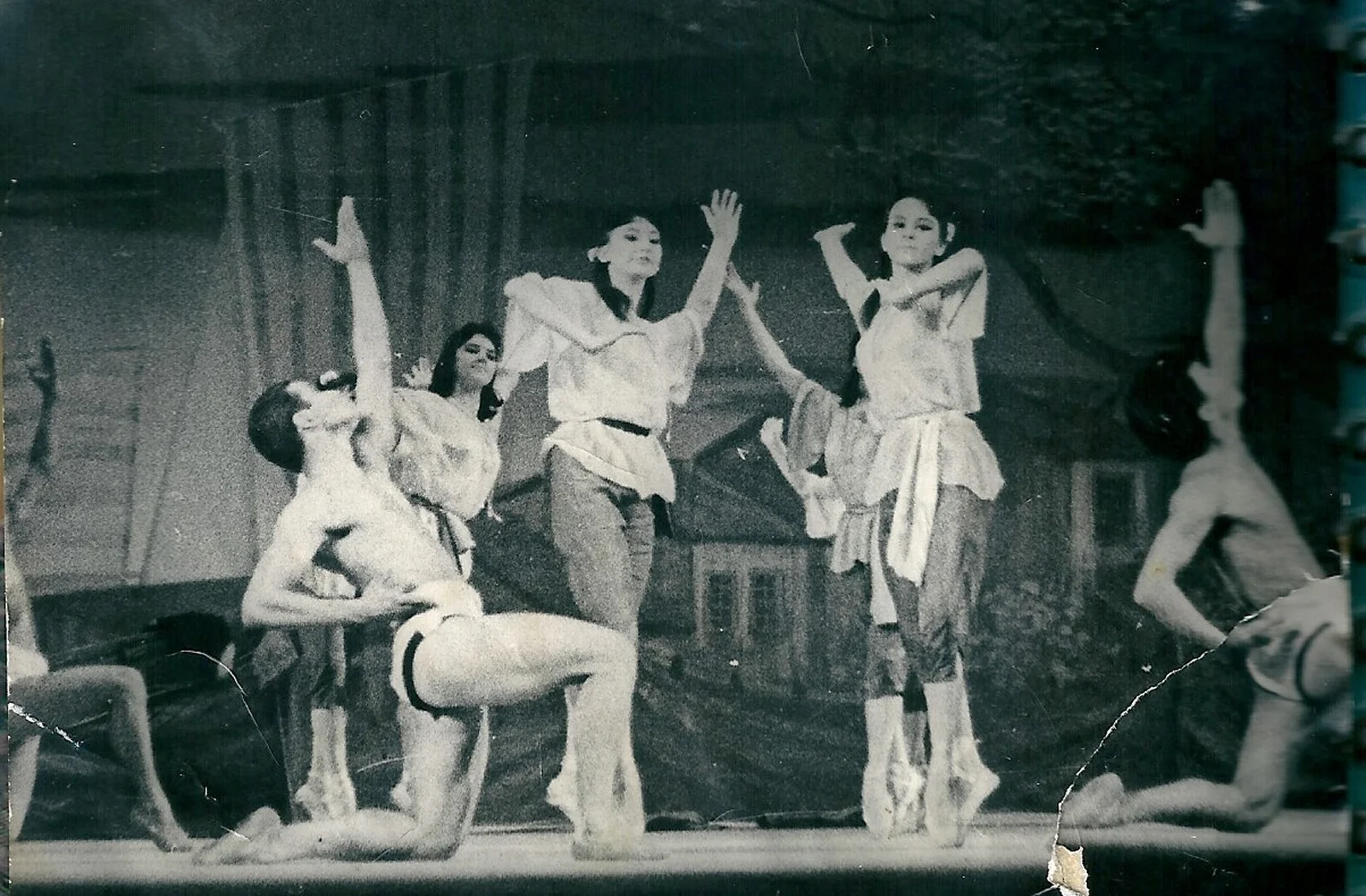
The first Kazakh ballet, Kalkaman–Mamyr, was premiered.
1944
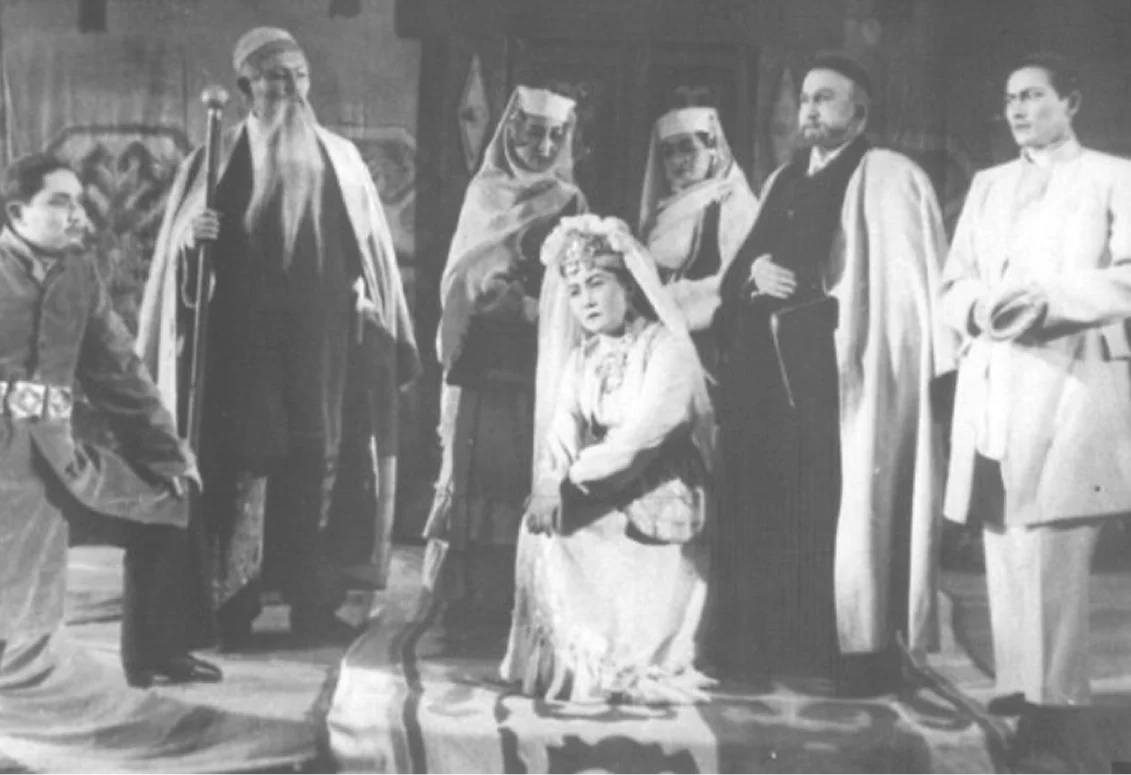
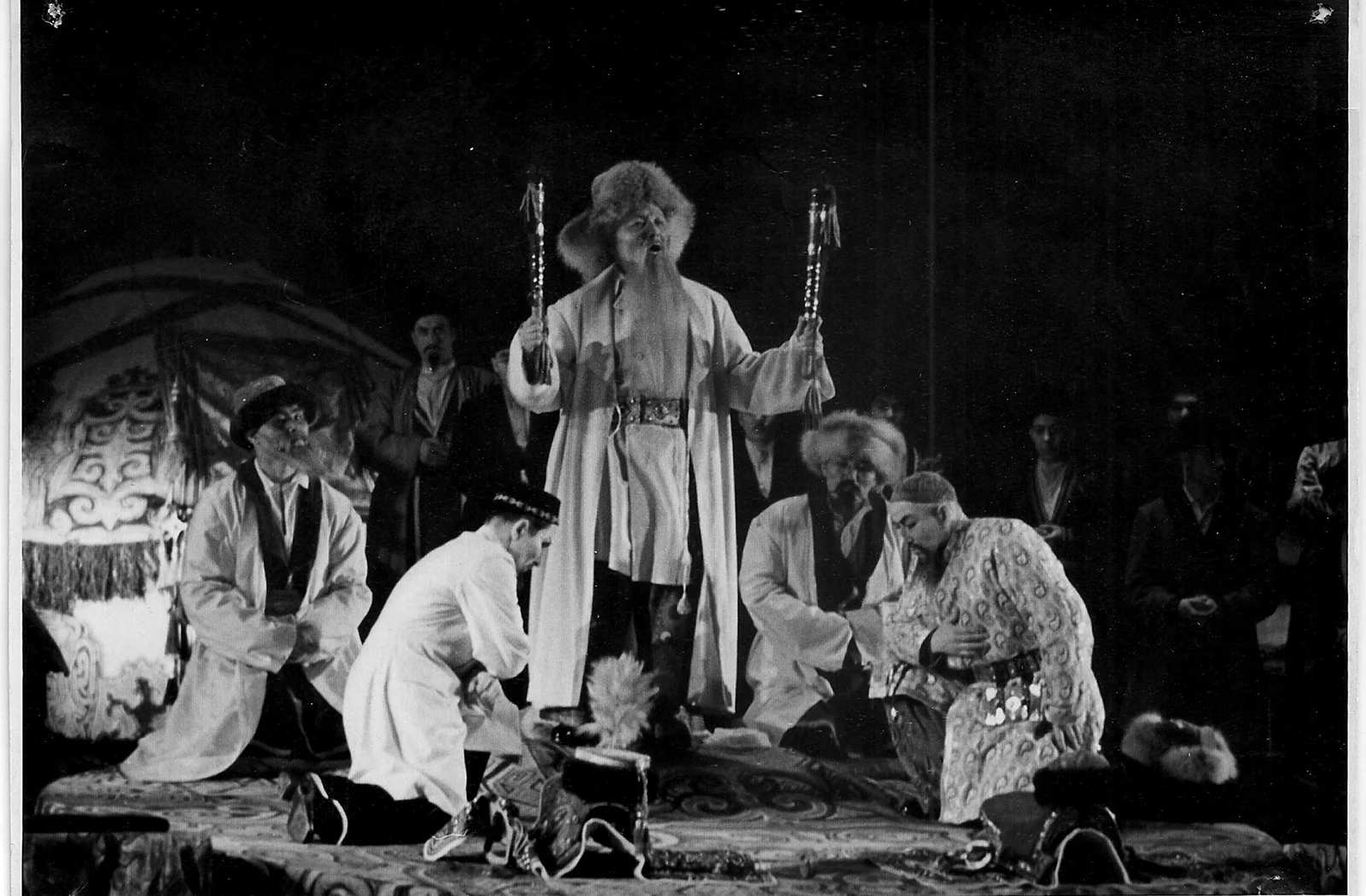
The theatre was granted academic status. The opera Abay by composers Akhmet Zhubanov and Latif Khamidi premiered.
1945
The theatre was named after the great Kazakh poet and philosopher Abay Kunanbayev.
1946
The opera Birzhan and Sara by composer Mukan Tulebayev was staged.
1949
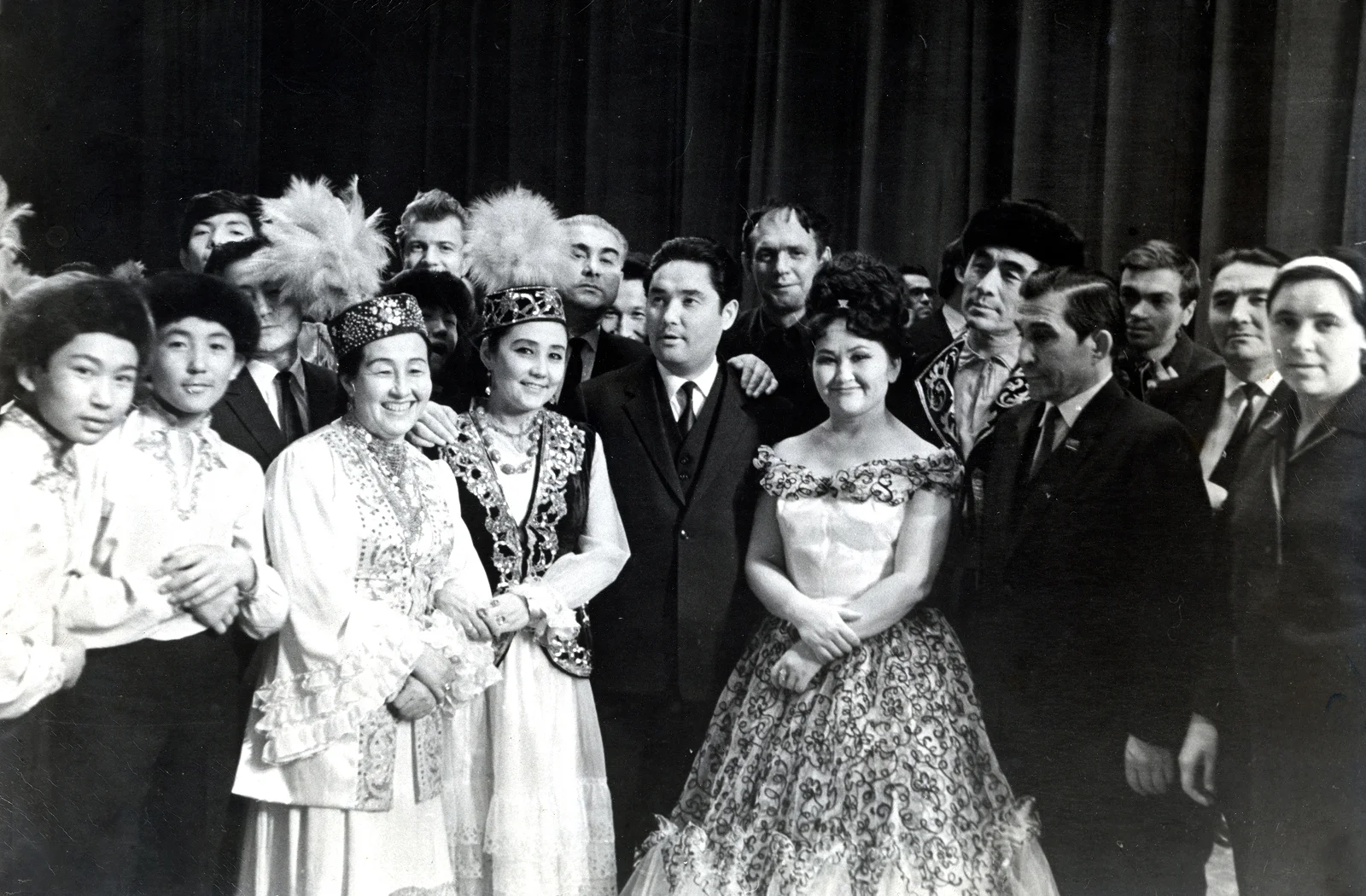
The creators and performers of Birzhan and Sara were awarded the USSR State Prize.
1950
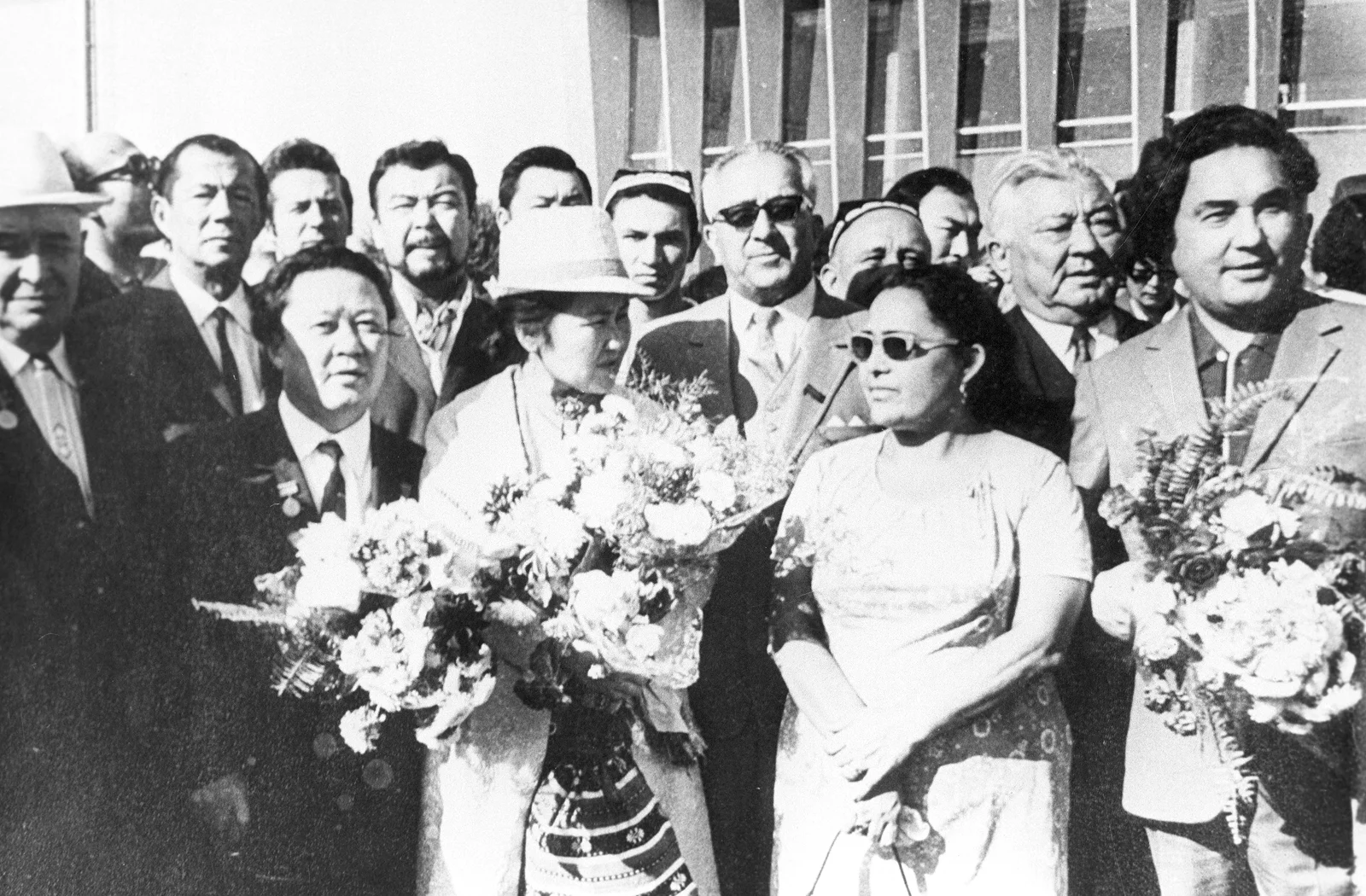
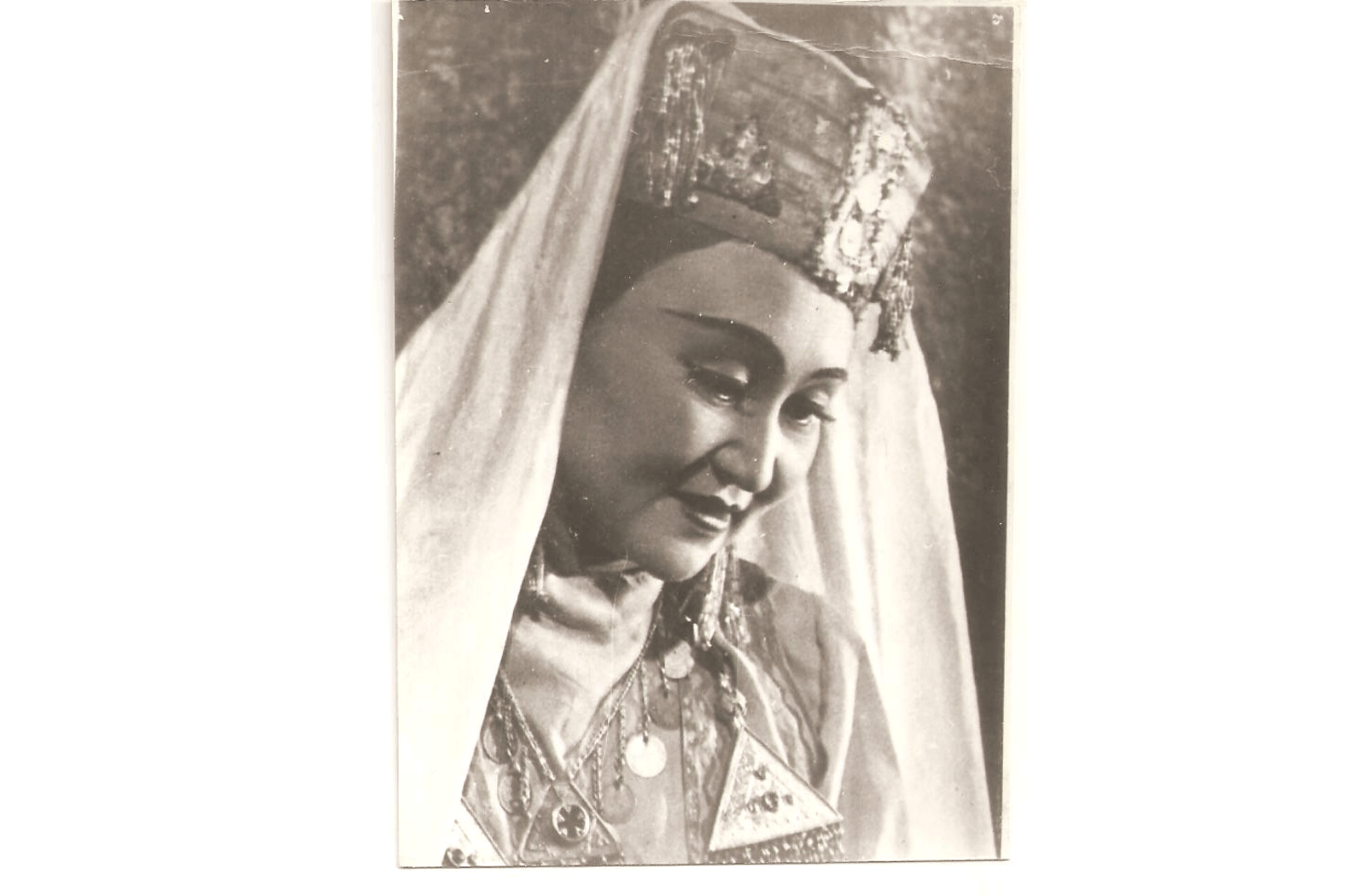
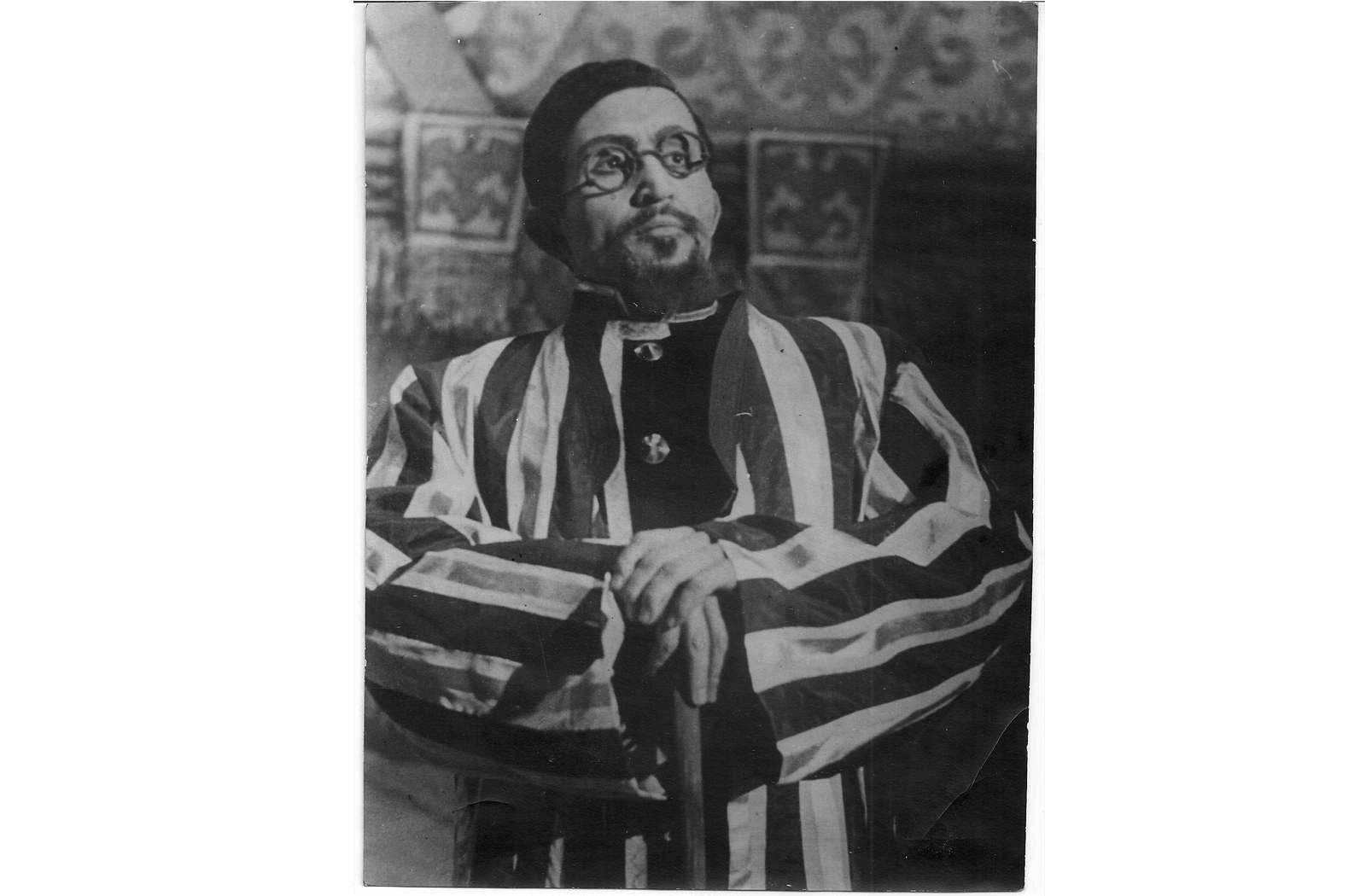
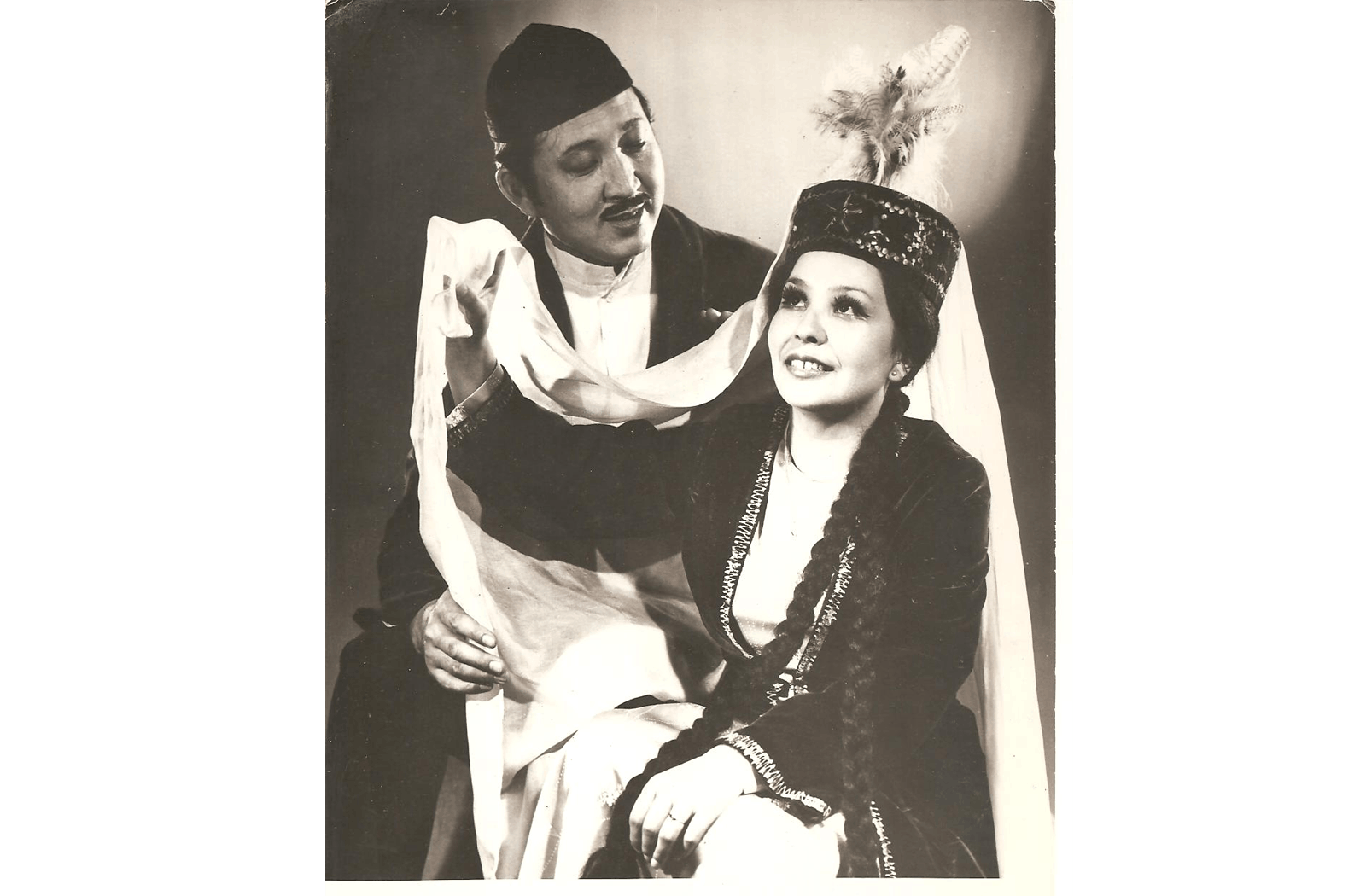
A new generation of stars joined the theatre, including Yermek Serkebayev, Bibigul Tulegenova, and Roza Zhamanova. The repertoire expanded with classical opera and ballet masterpieces.
1960
New productions were introduced, and the national opera and ballet tradition continued to develop.
1970–1980
Epic national works such as Enlik-Kebek, Alpamys, and Kurmangazy entered the repertoire.
1985
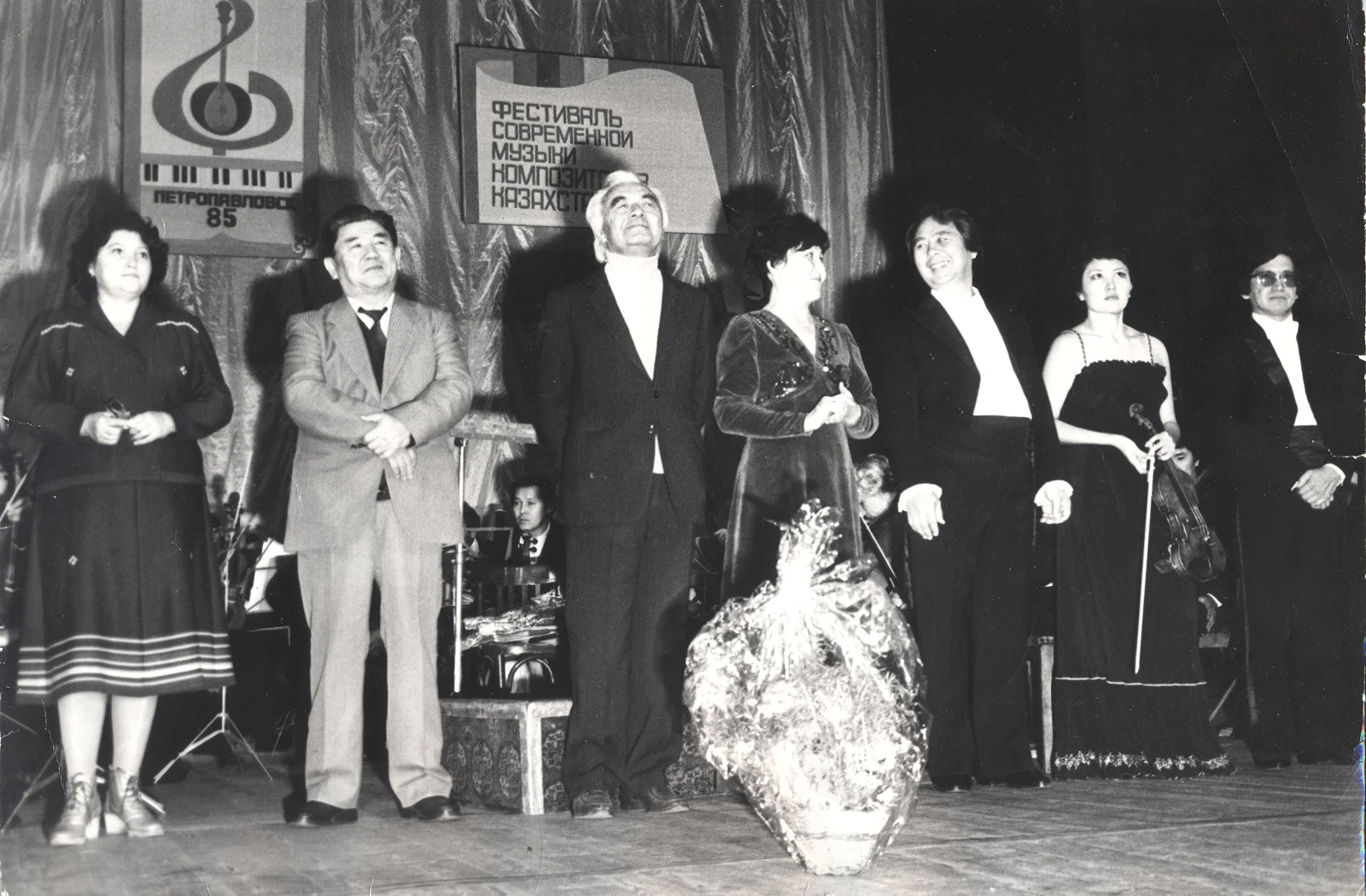
The theatre toured Germany for the first time.
1990
A new stage of development began during Kazakhstan’s independence, marked by productions focused on national history and identity.
2000
Renowned masters and talented young artists continued to perform on the theatre’s stage. The repertoire was actively renewed and expanded.
On December 19, 2020
By the President of the Republic of Kazakhstan, the theater was granted National status.
TODAY
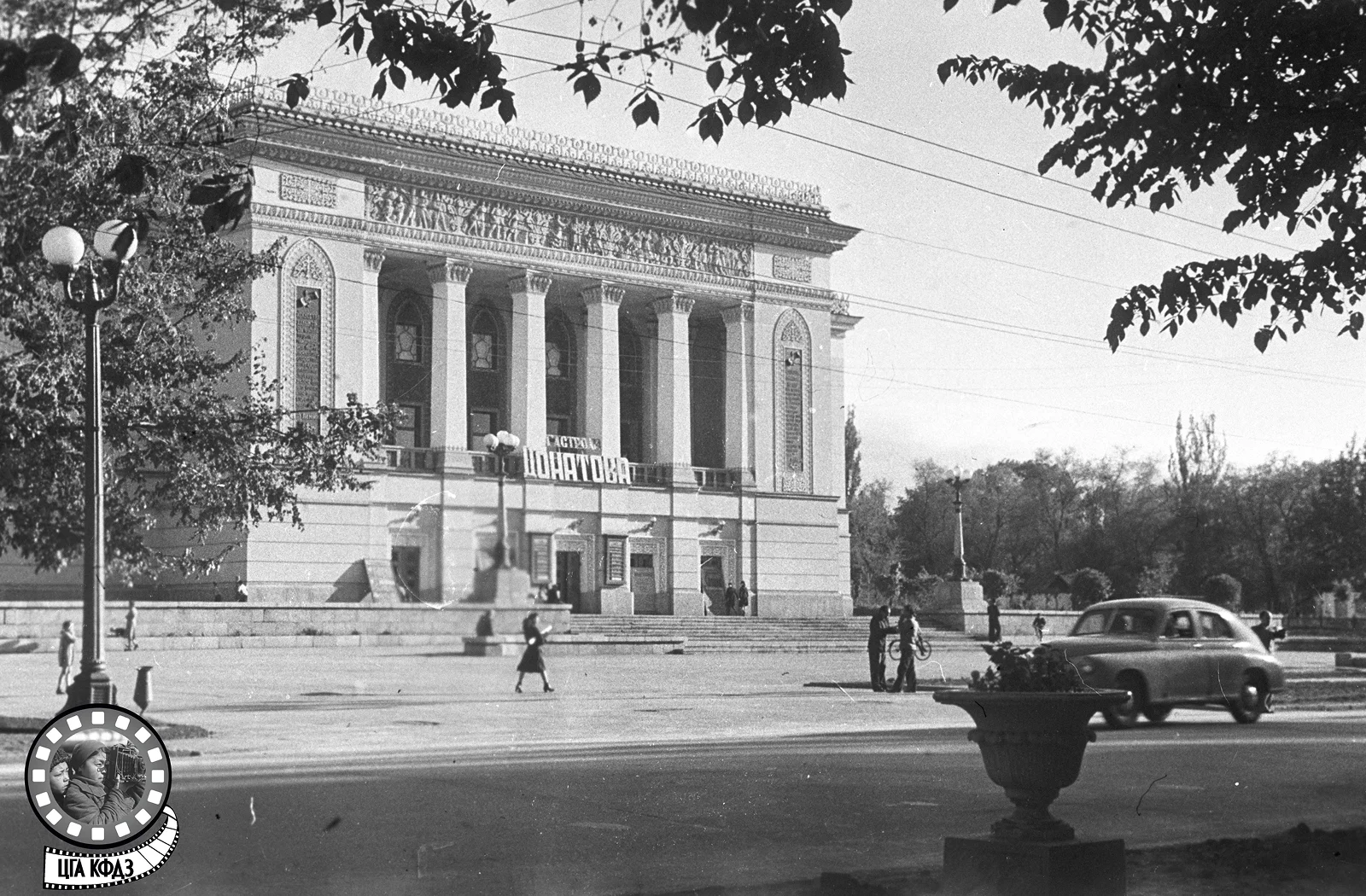
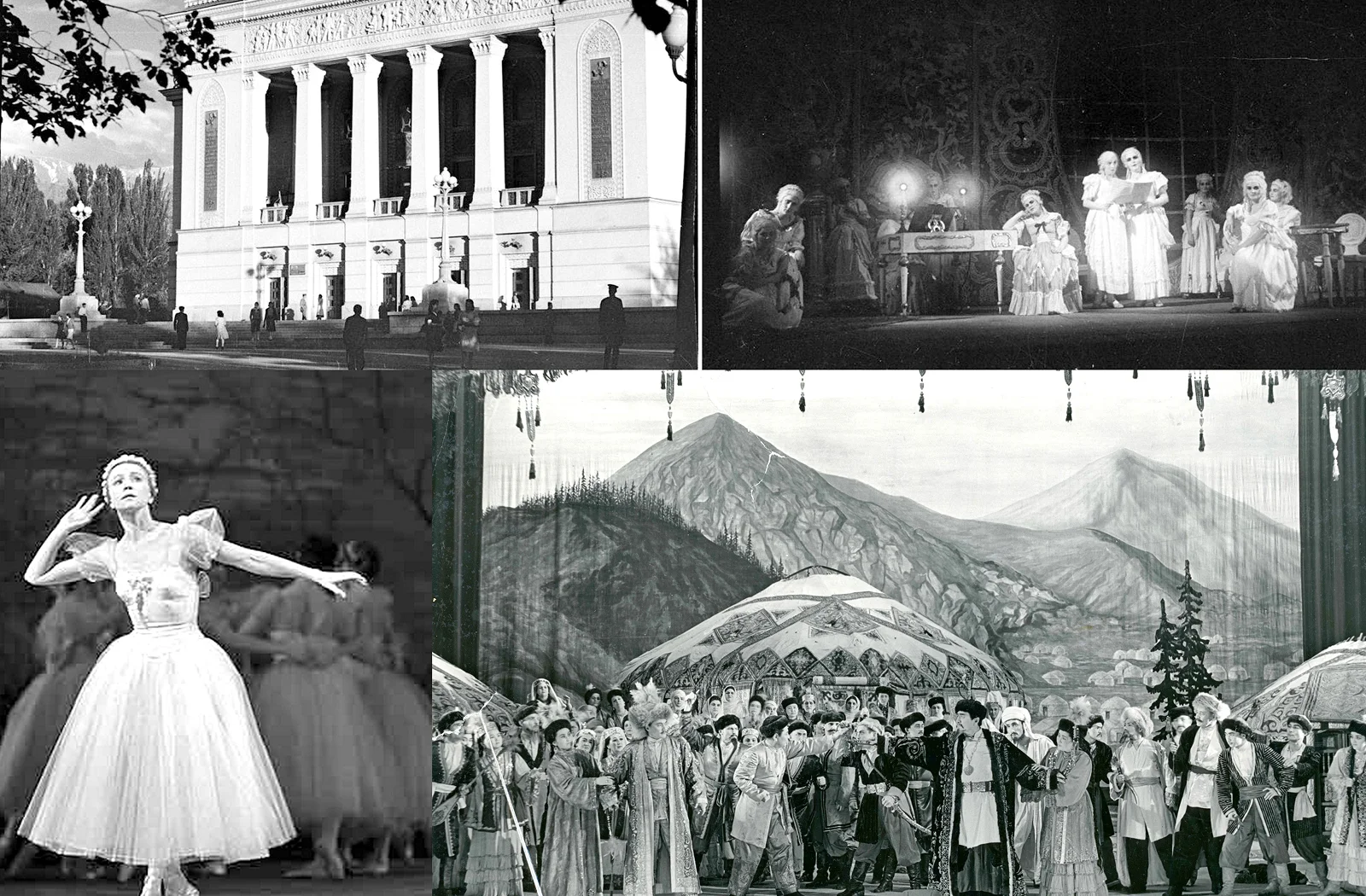
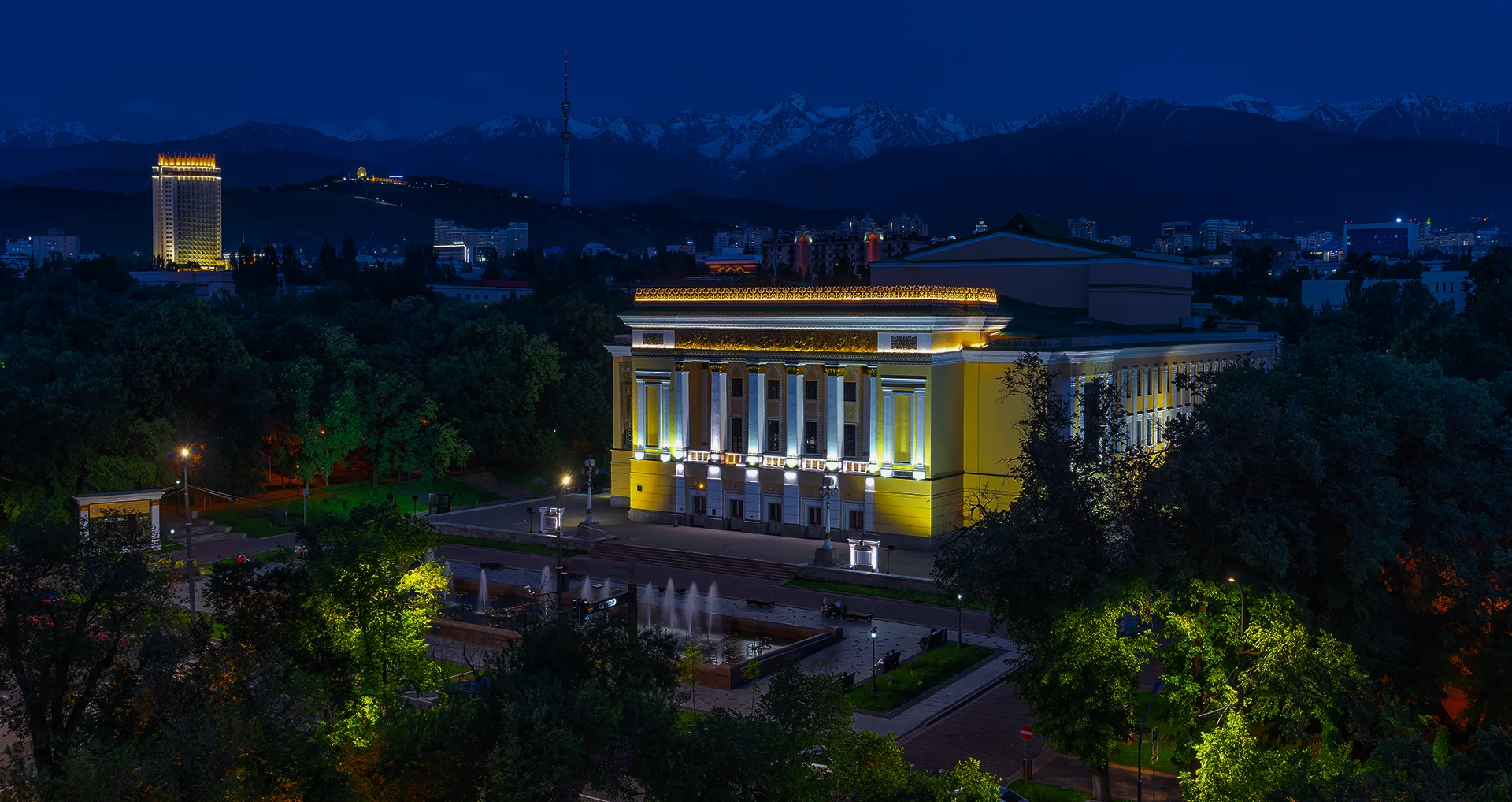
Today, the Kazakh National Opera and Ballet Theatre named after Abay is one of the country’s leading cultural institutions. Its repertoire includes more than 300 opera and ballet productions, and its artists successfully perform on the world’s most prestigious stages.
The theatre continues to evolve dynamically, carefully preserving its rich traditions while opening new creative horizons.
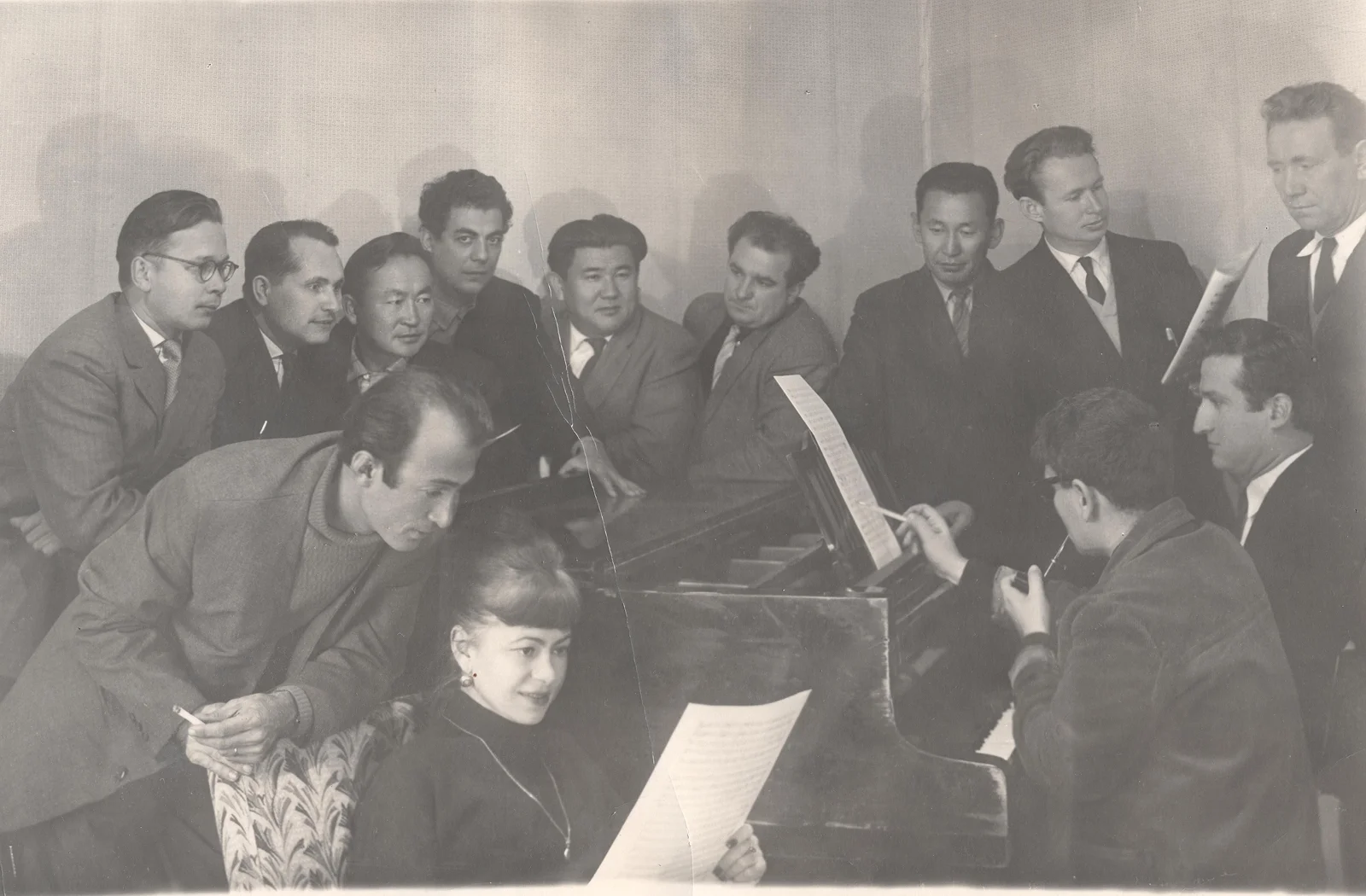
The Theatre Museum has undergone significant modernization, with its exhibition renewed and enriched with unique artifacts. Among them is the piano of composer Yevgeny Brusilovsky, on which the first Kazakh opera was composed.
With the support of patrons, the theatre building has undergone major interior renovation, creating more comfortable conditions for both artists and audiences.
National opera and ballet continue to flourish on the theatre’s stage. One of the most ambitious contemporary productions is the opera Khan Sultan. The Golden Horde by Khamit Shangaliyev. A total of 173 costumes were specially created for the production, involving nearly 300 participants, including soloists, the symphony orchestra, choir, and ballet company. The performance features modern scenography, advanced lighting design, and large-scale stage sets.
A significant event in the ballet repertoire was the premiere of Uly Zhibek Zholy by Aigerim Yerkebayeva – a vibrant cultural phenomenon revealing the spiritual potential of national art. The production draws upon the historical memory of the Kazakh people and symbolizes a new stage in the development of contemporary Kazakh ballet, combining tradition, national aesthetics, and modern stage solutions.
For the first time, the theatre also presented the choral gala performance Yapurai, offering a fresh interpretation of Kazakhstan’s rich musical heritage and demonstrating a harmonious blend of tradition, stage art, and choral performance.
Today, the theatre is home to outstanding masters of the stage, including:
- 3 People’s Artists of Kazakhstan;
- 14 Honored Workers of Kazakhstan.
The theatre continues to develop national art by uniting the experience of acclaimed masters with the talent of a new generation, remaining one of the country’s foremost cultural centers.