Ballet
Spartacus
Description
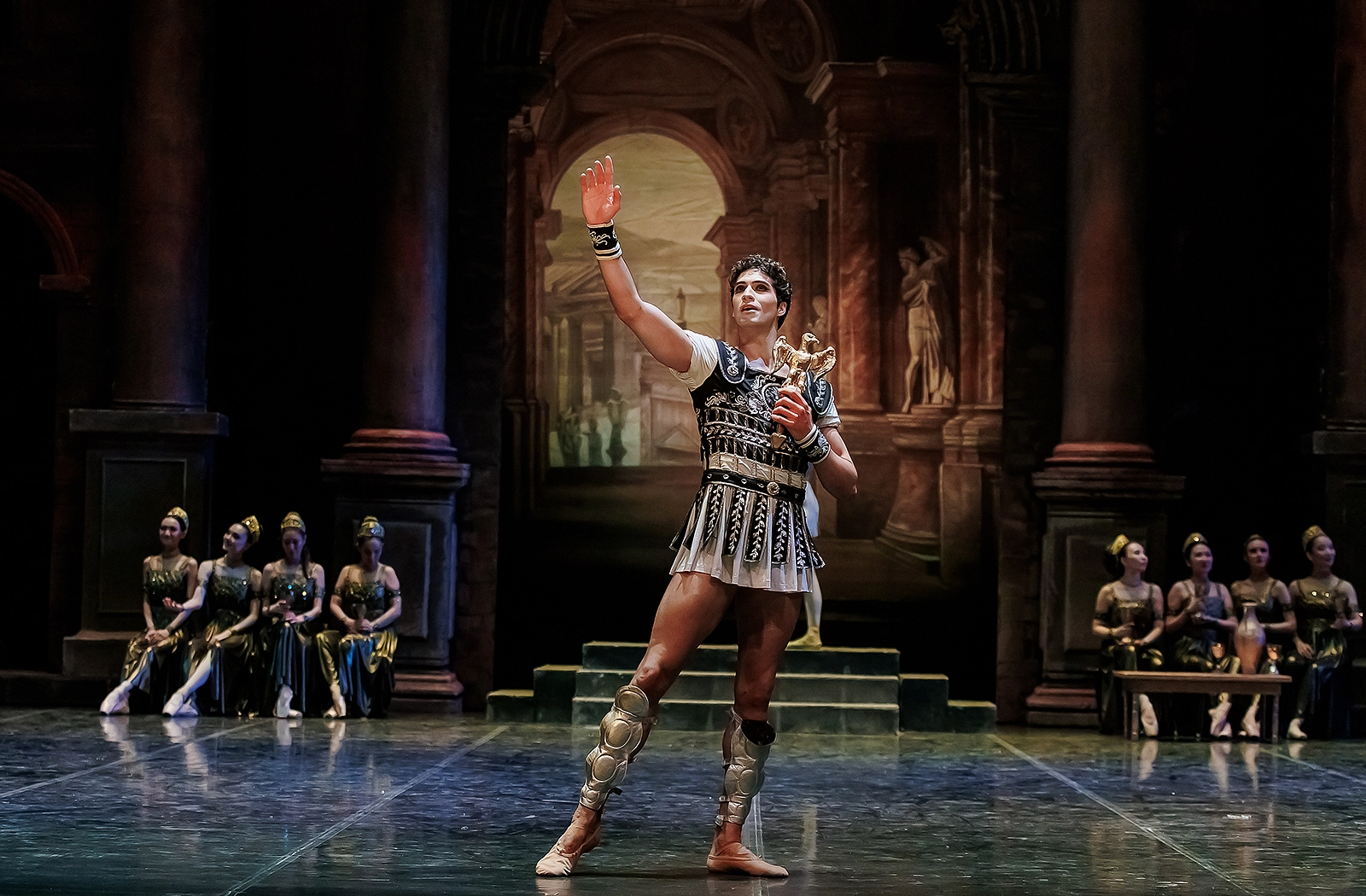
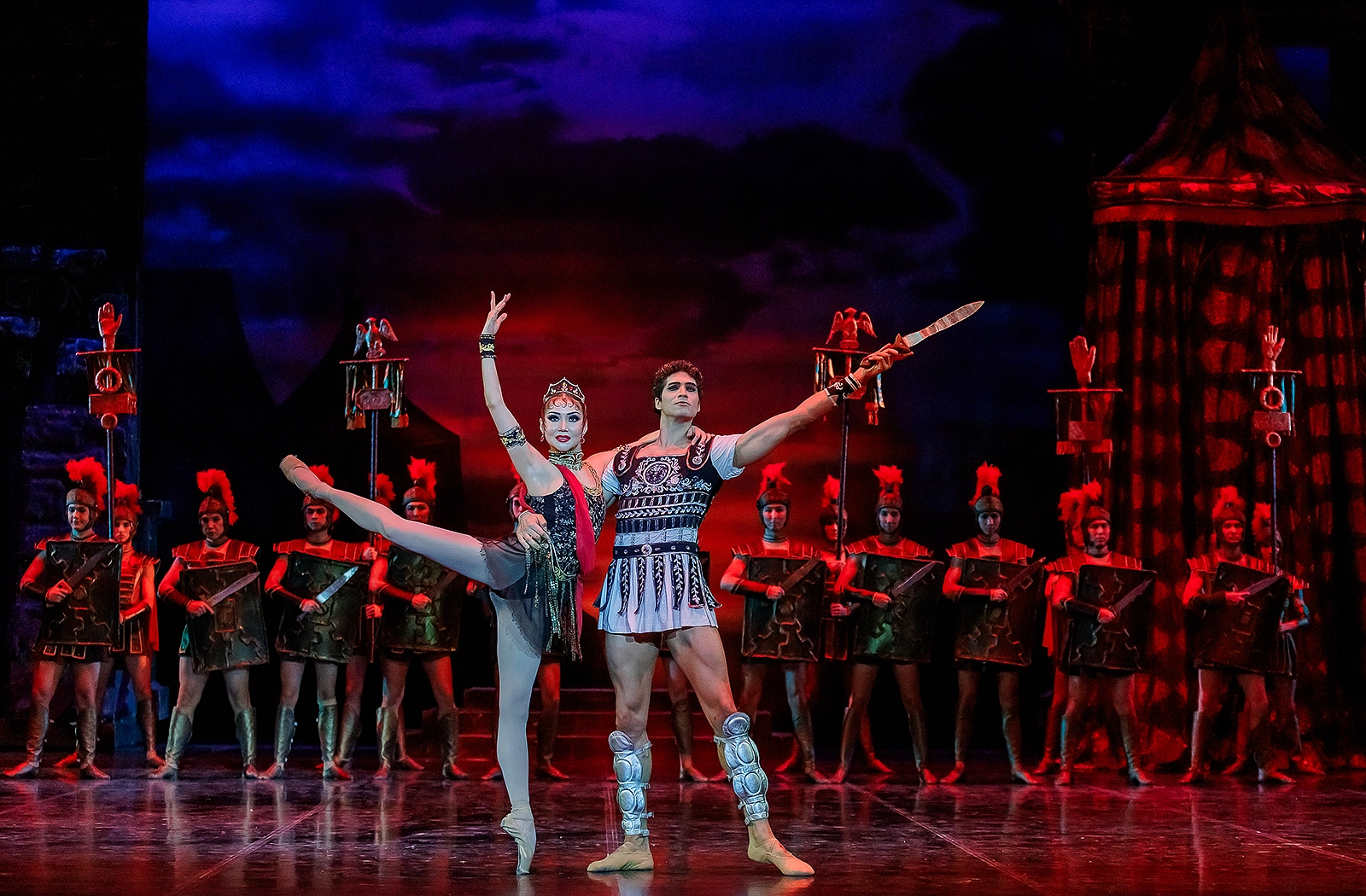
“Spartacus” is a heroic ballet by Aram Khachaturian about the uprising of Roman slaves led by the legendary gladiator Spartacus, imbued with powerful dramaturgy and vivid Armenian musical motifs.
A. Khachaturian
Spartacus
ballet in 3 acts
Libretto by Nikolai Volkov, edited by Yuri Grigorovich
Choreography by Zaurbek Raibayev, People’s Artist of the Republic of Kazakhstan
The premiere at the Abay Opera House took place on 21.04.1974
Revival on 26.06.2021
Production Team:
Stage Conductor – Yerbolat Akhmedyarov, Honored Worker of the Republic of Kazakhstan
Stage Choreographer – Gulzhan Tutkibayeva, People’s Artist of the Republic of Kazakhstan
Production Designer – Vyacheslav Okunev, People’s Artist of the Russian Federation, laureate of State Prizes
Chief Choirmaster – Aliya Temirbekova, Honored Worker of the Republic of Kazakhstan
Characters:
- Spartacus
- Phrygia
- Aegina
- Crassus
- Etruscans, maidens of Gades, hetaerae, mimes, centurions, followers of Spartacus, and others
Time and place of action: Ancient Rome
Act I
Scene One – “The Invasion”
The military machine of Imperial Rome mercilessly tramples the lands it conquers. The commander Crassus is terrifying in his inhumanity. Wherever his campaigns pass, only scorched earth and thousands upon thousands of captives remain. Among them is the Thracian Spartacus.
Scene Two – “Rome”
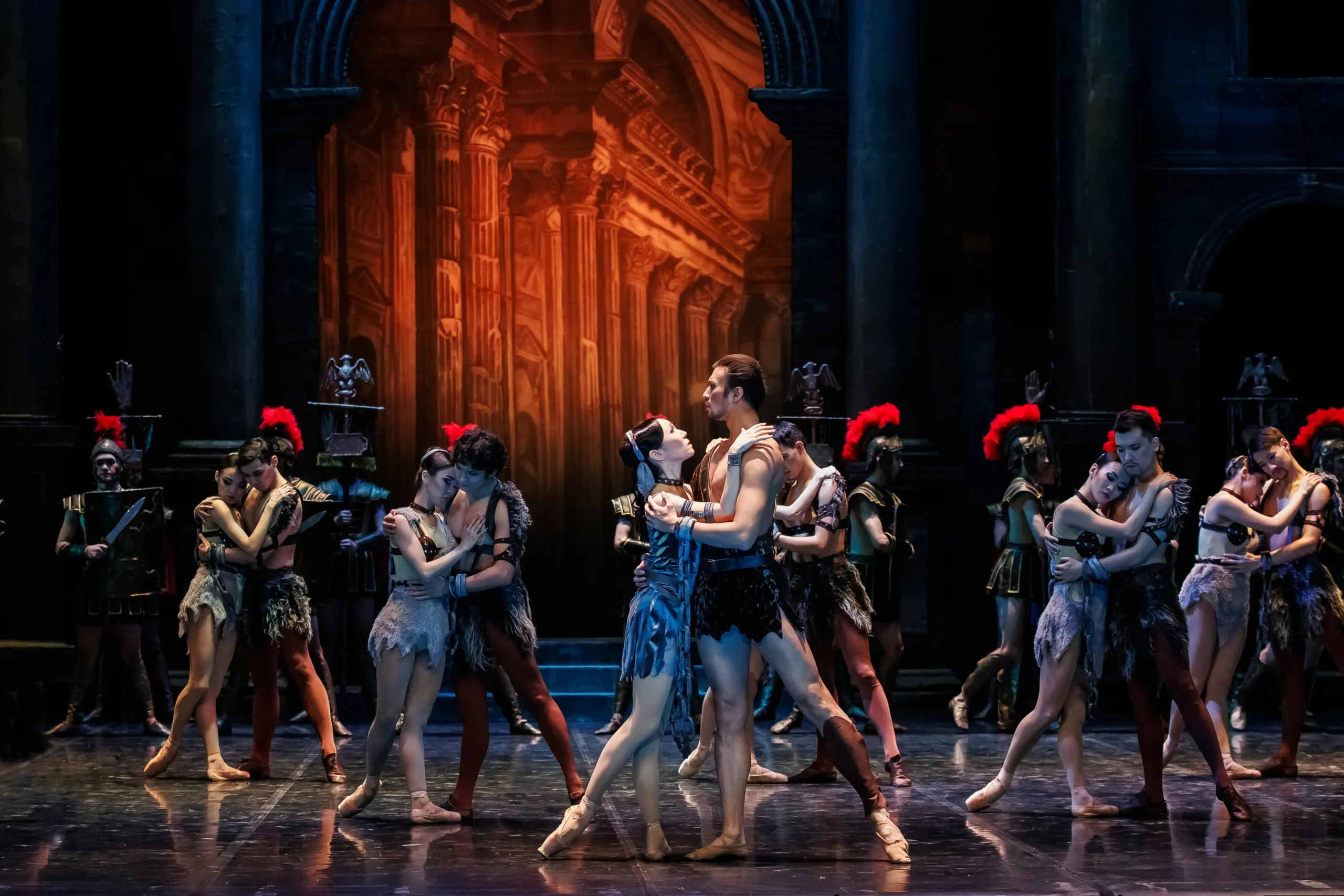
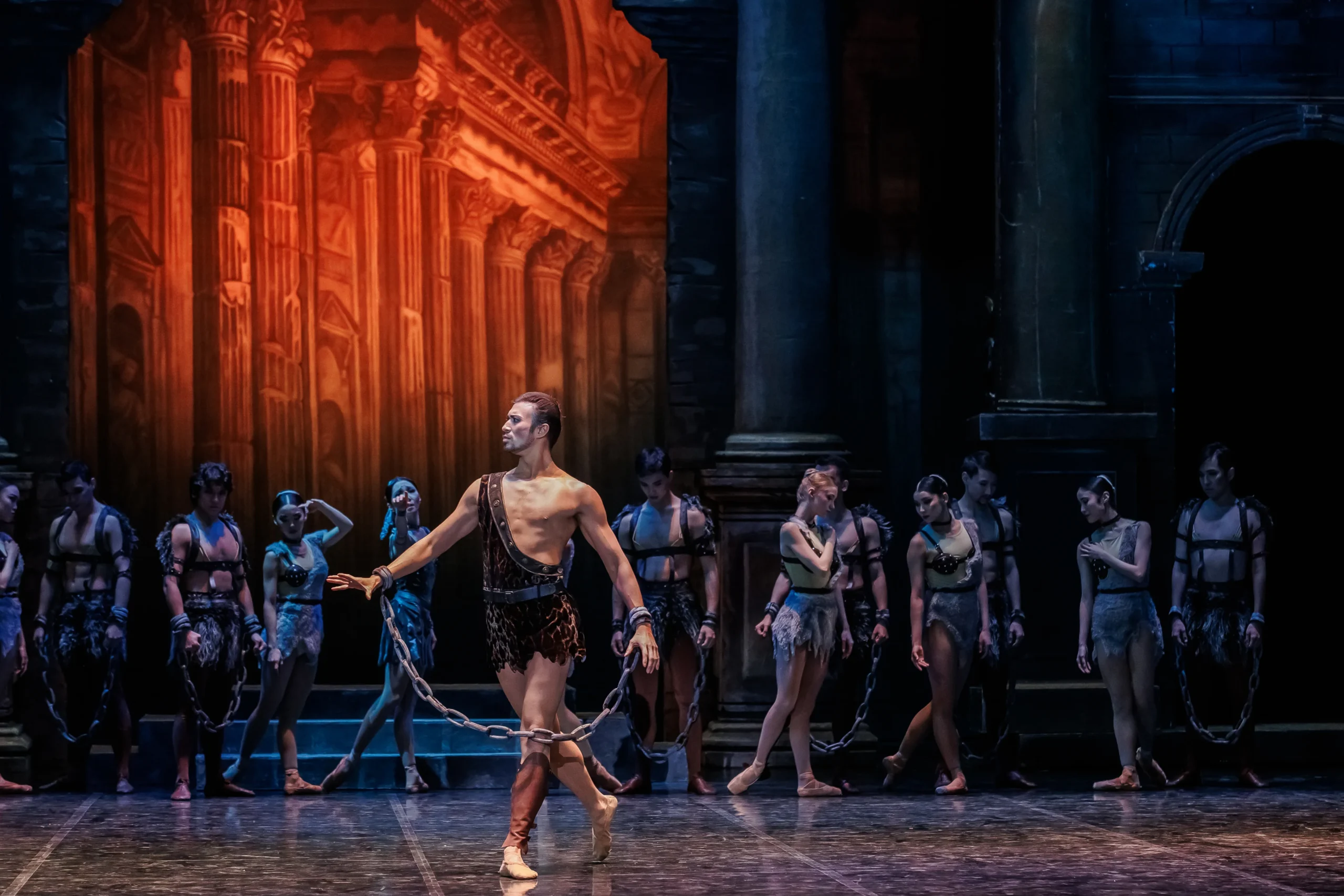
At the walls of the imperial capital, male and female captives are separated so they may be sold more profitably to wealthy Roman patricians. Spartacus is torn away from his Phrygia.
Scene Three – “Phrygia at the House of Crassus”
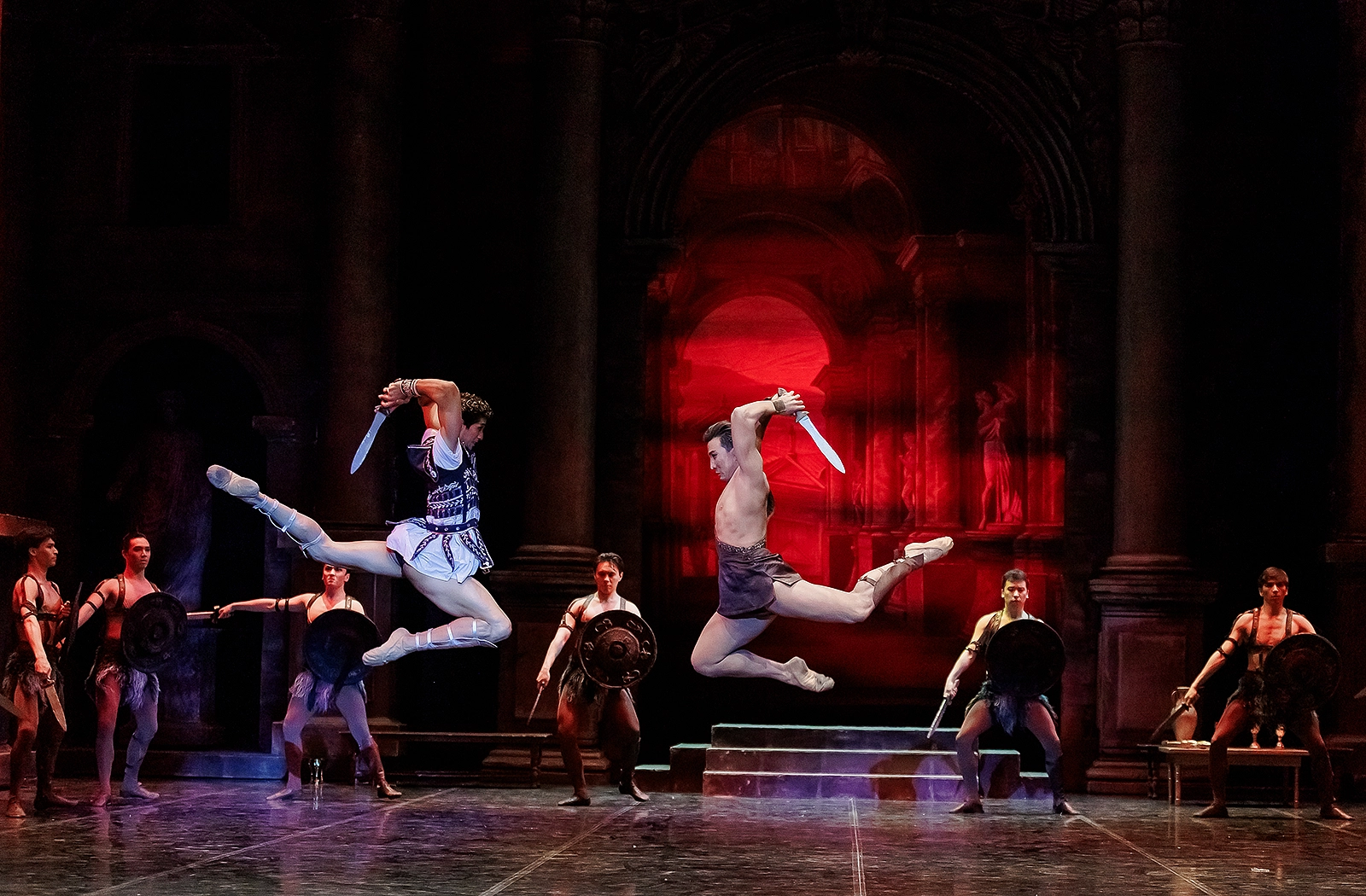
Phrygia has been purchased by Crassus. Aegina, Crassus’s concubine, finds Phrygia’s fear amusing and incomprehensible. Only gold, power, and wine matter to her—everything that can inflame her blood. Two gladiators are thrust into the hall. Life will be granted to the victor; blindfolded, they must fight to the death. The mask is torn from the winner. It is Spartacus.
Scene Four – “The Gladiators’ Barracks”
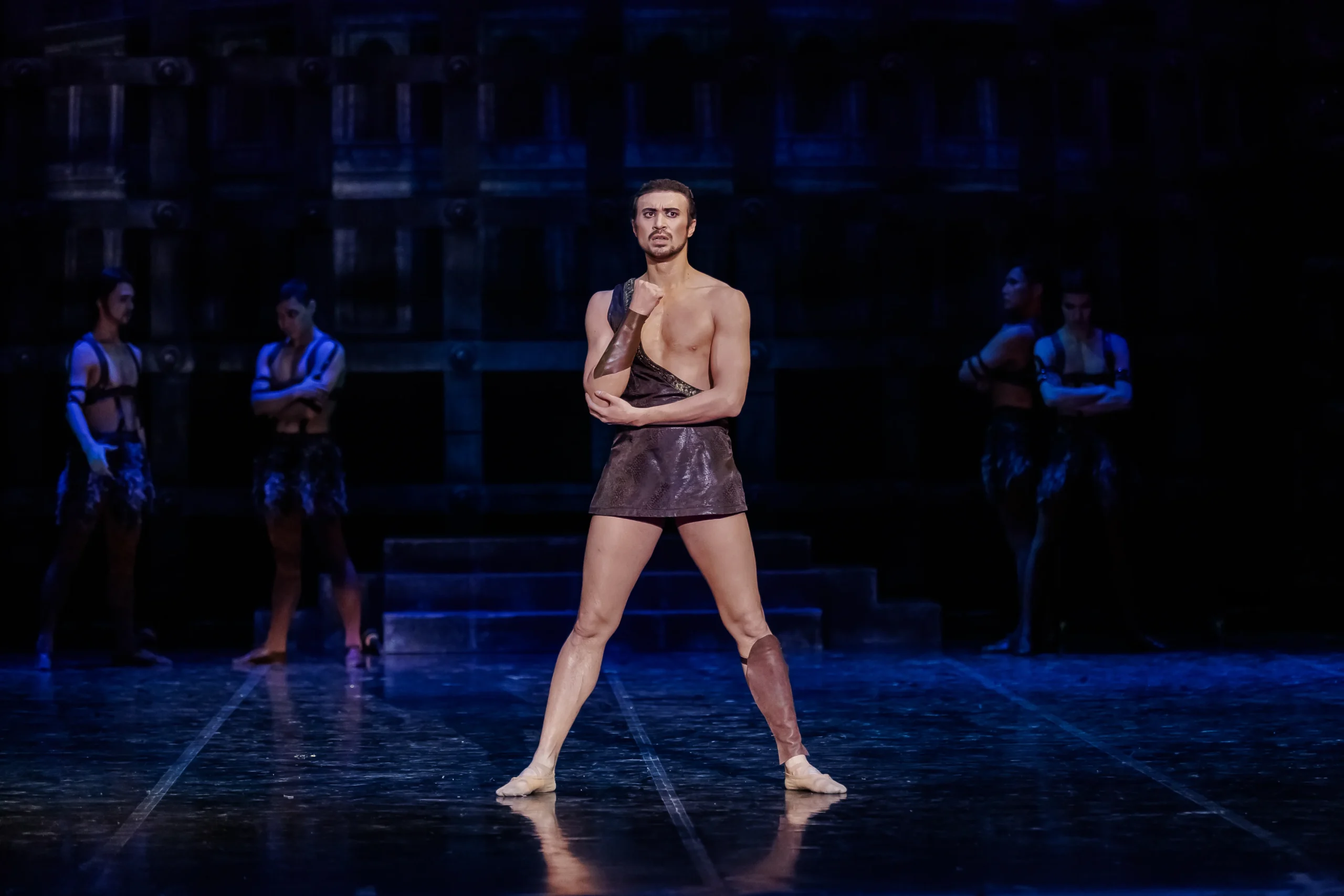
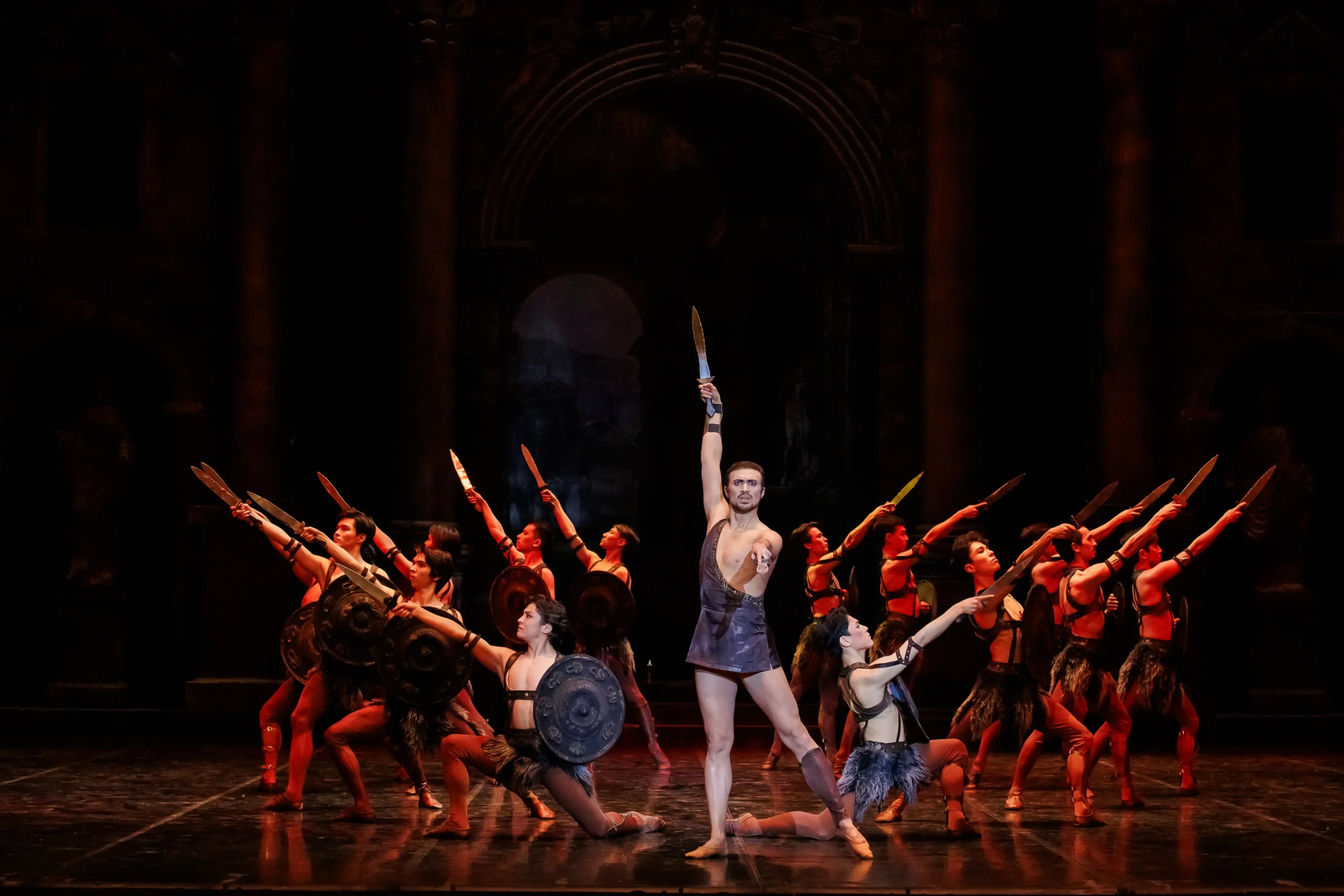
Spartacus longs to live on his own land, to love his wife, to be free. The chains must be broken; slavery must be escaped. Spartacus calls the gladiators to revolt. His comrades answer with an oath of loyalty. The gladiators flee the barracks.
Act II
Scene One – “The Appian Way”
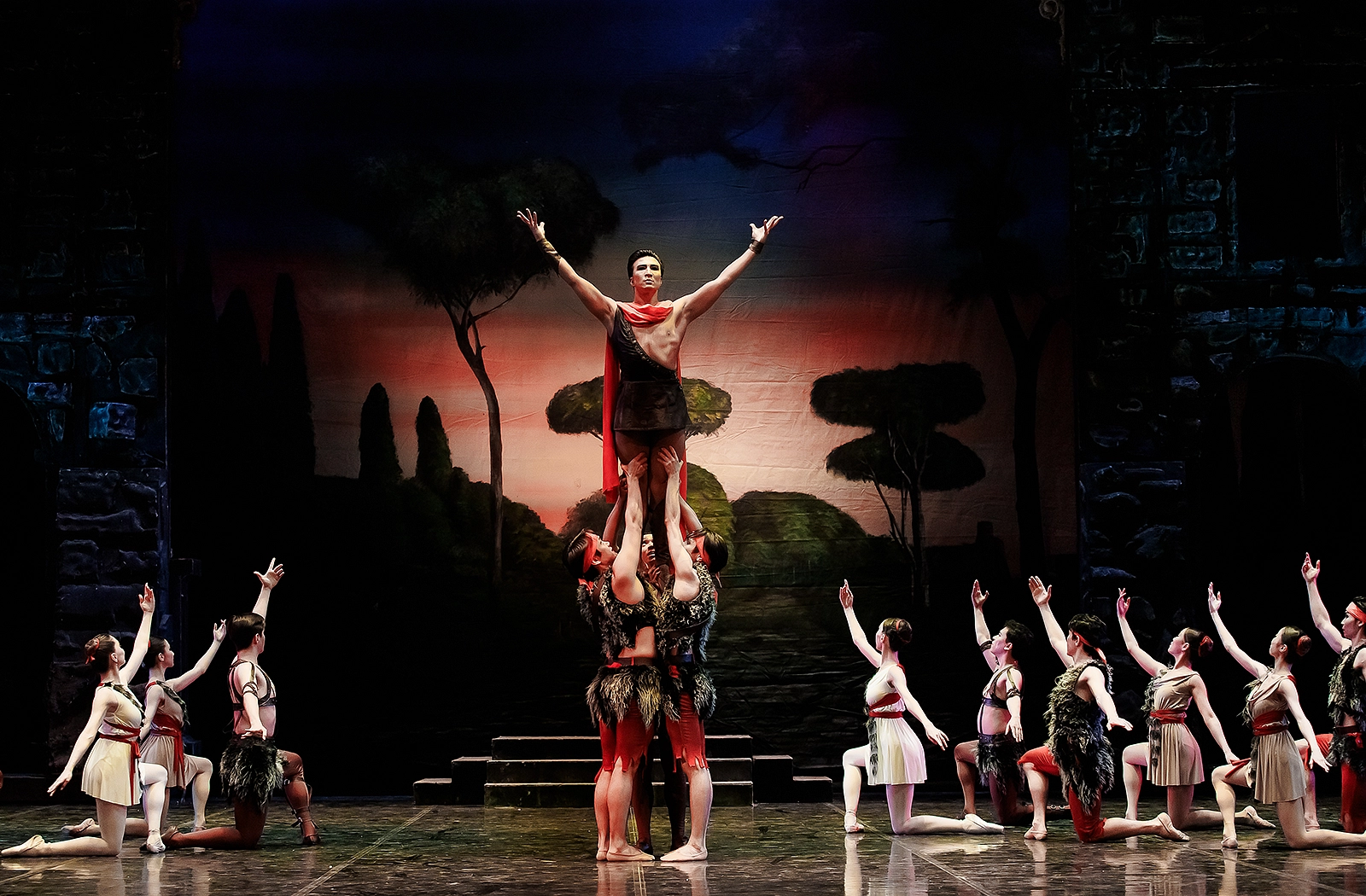
Into the quiet night of shepherds resting by the roadside burst the rebels. To Spartacus’s call to join them respond not only the shepherds. A handful of brave men grows into an avalanche of slaves. Spartacus is proclaimed their leader.
Scene Two – “The Villa of Crassus”
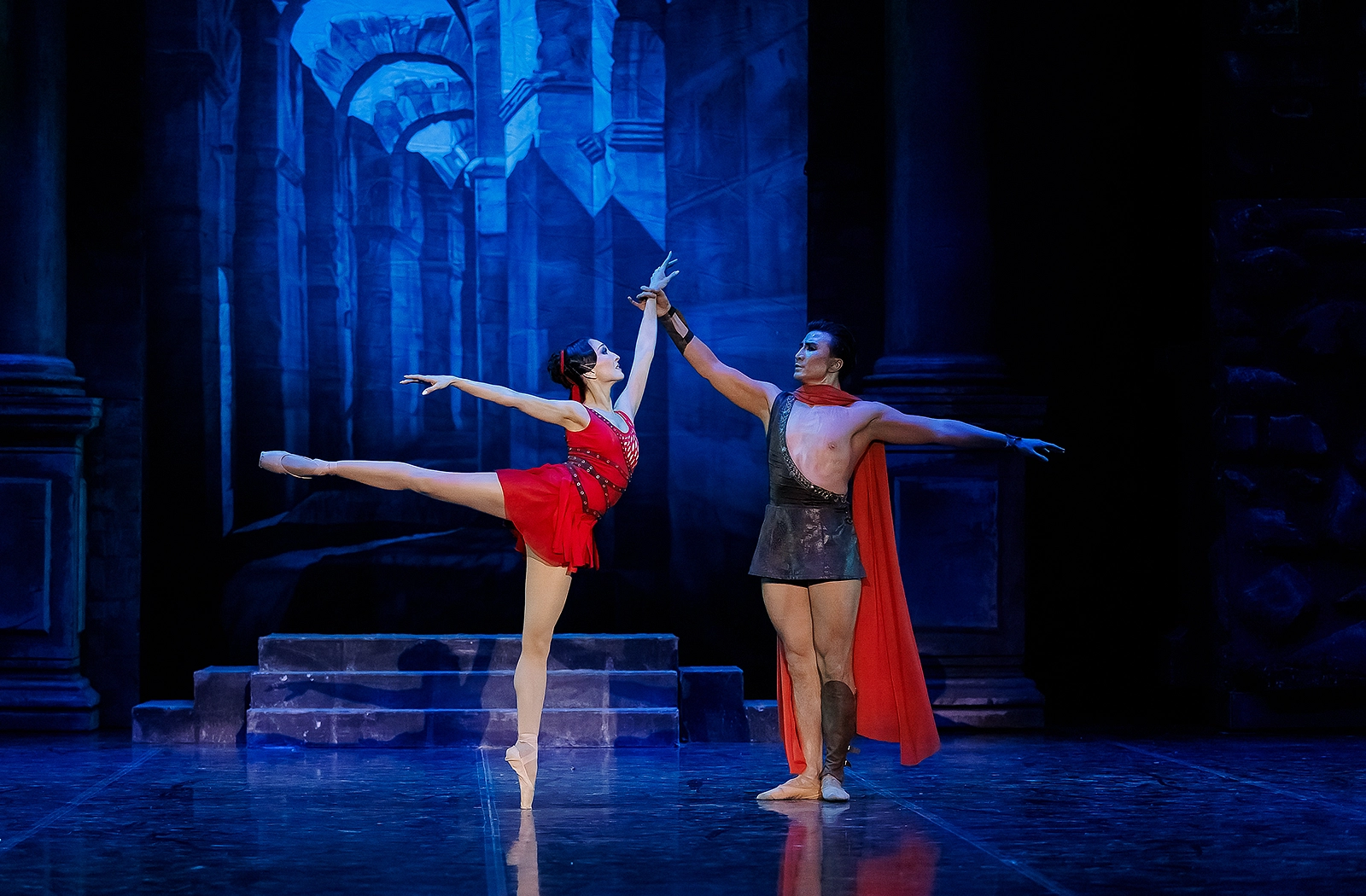
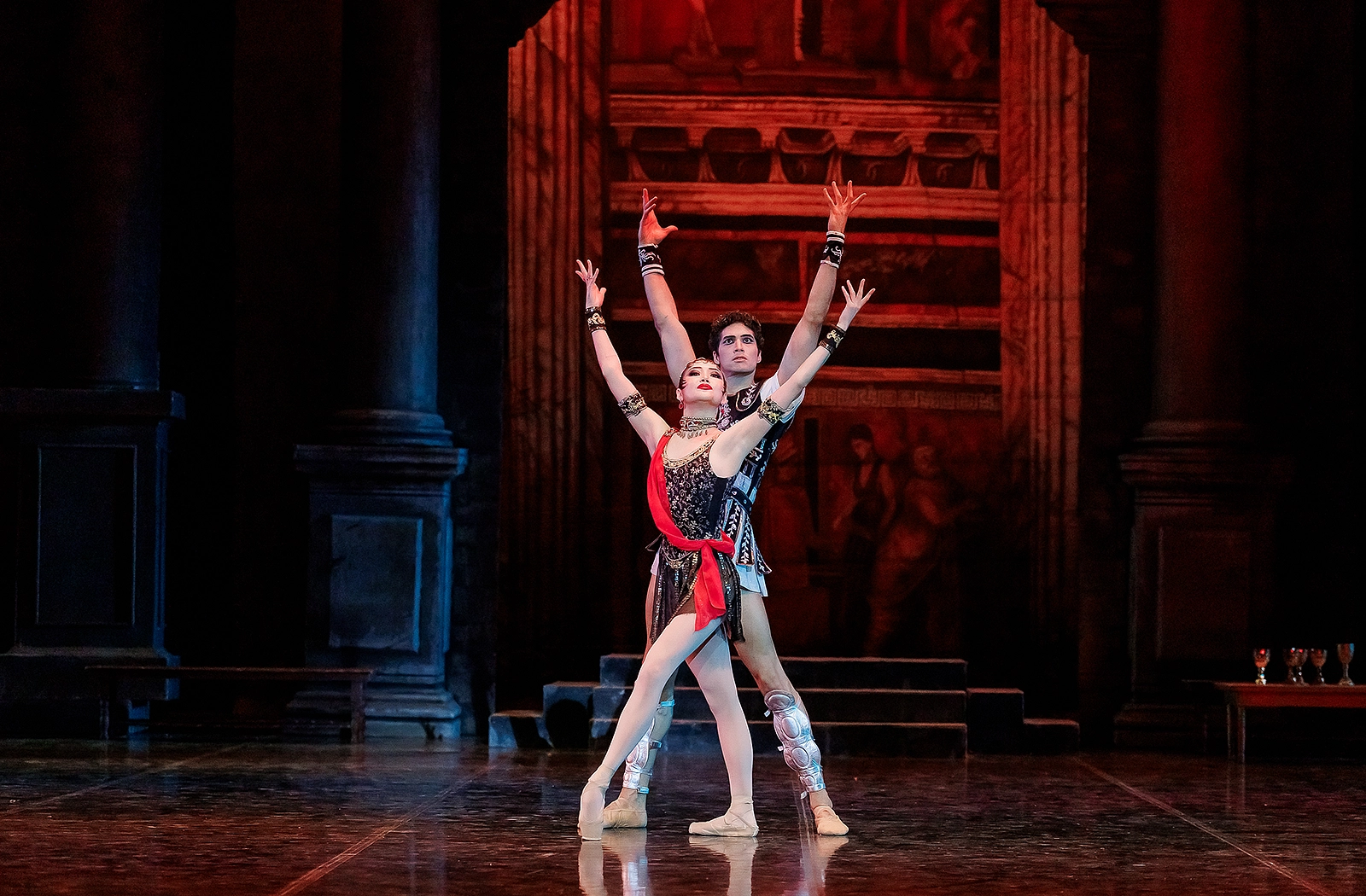
Spartacus finds Phrygia at Crassus’s southern villa. Great is the joy of the two loving hearts reunited. Yet they must hide from the patricians and from Aegina, who are on their way to a feast at Crassus’s residence.
Scene Three – “The Triumph of Crassus”
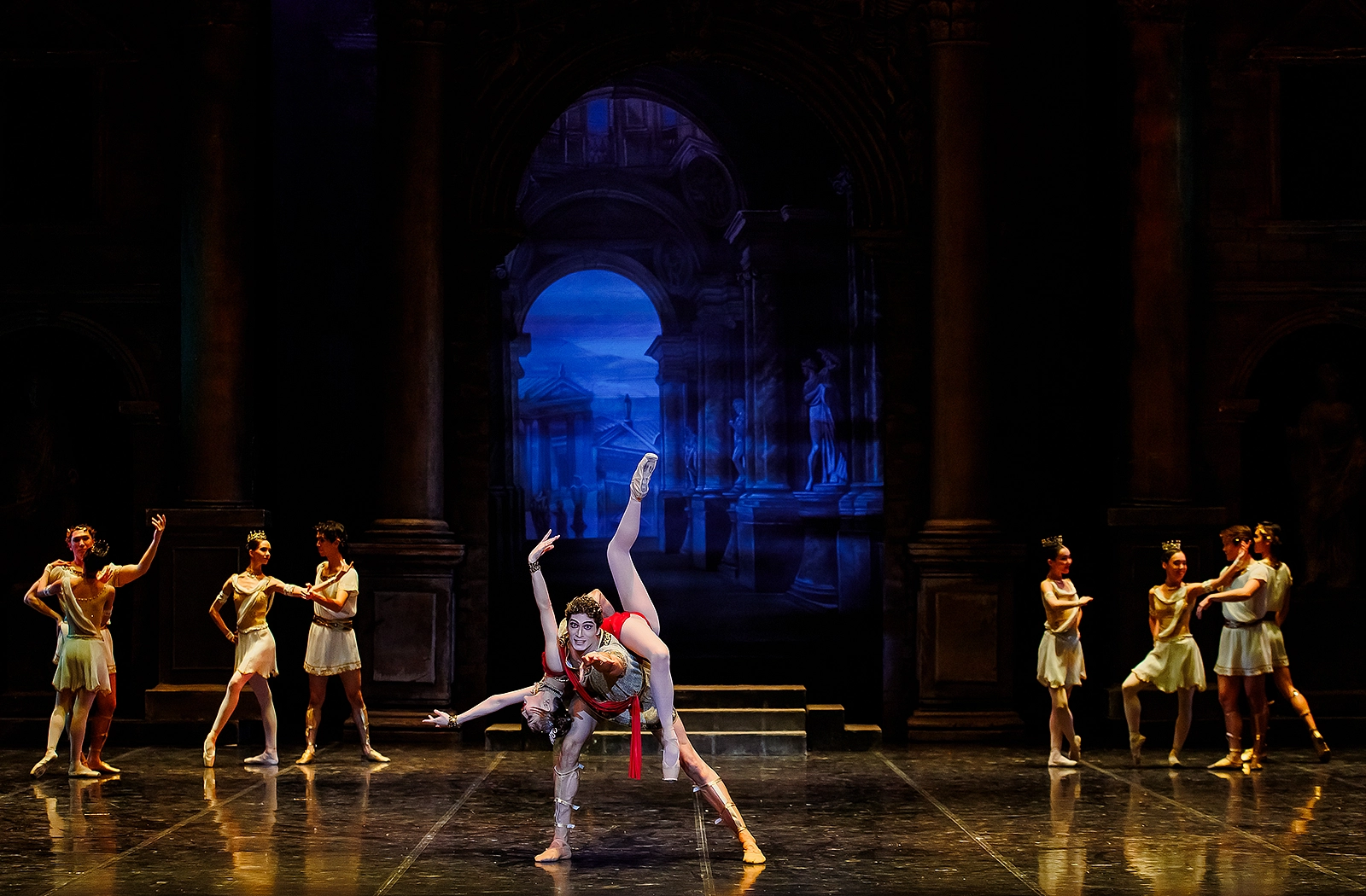
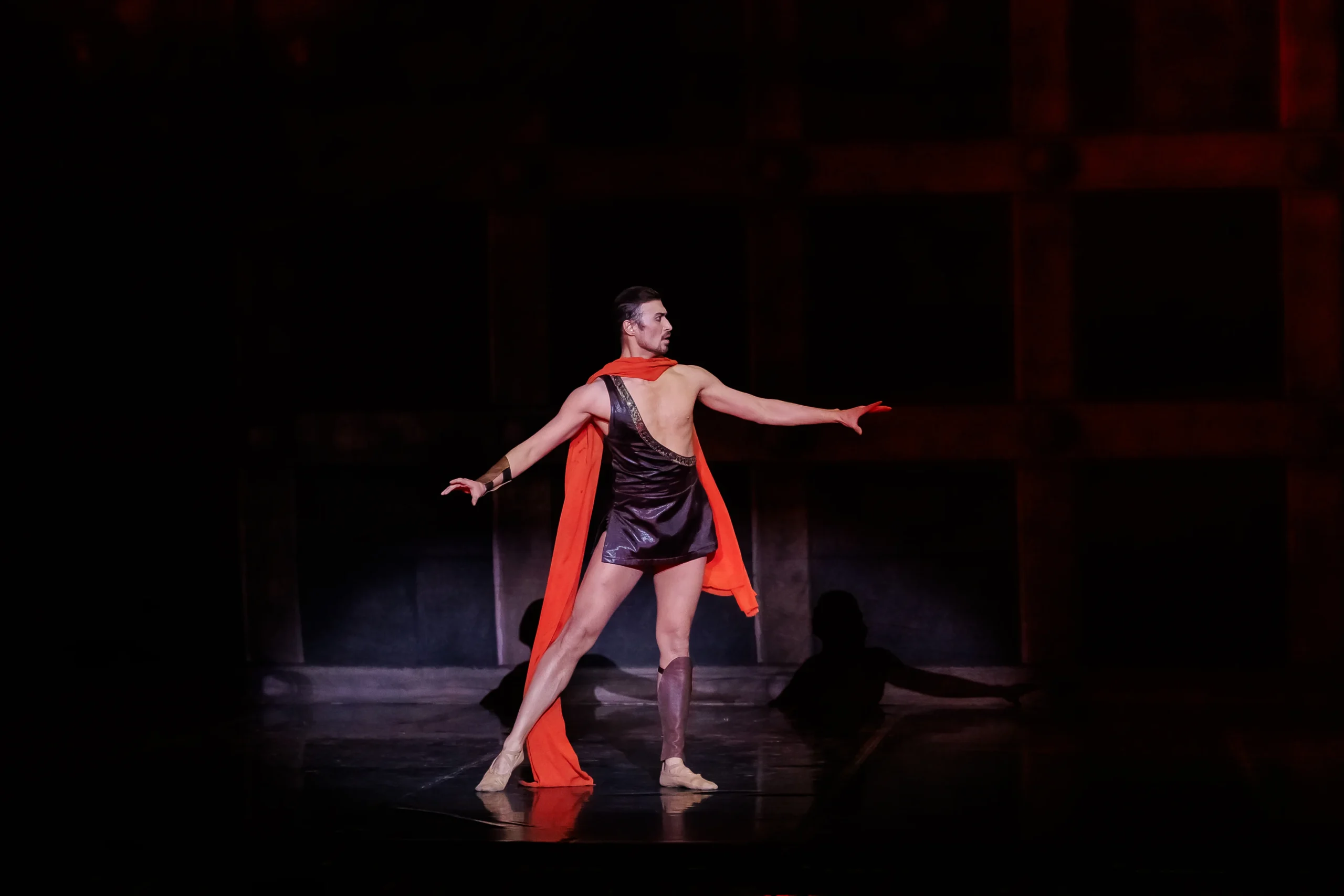
The patricians glorify Crassus—an earthly god on the Olympus of his power and victories. Suddenly dreadful news interrupts the flow of praise: the villa is surrounded by the troops of Spartacus. The famed commanders flee; in fear, Crassus and Aegina flee as well.
Scene Four – “The Defeat of Crassus”
The captured Crassus is brought before Spartacus. The patrician recognizes the former gladiator. The rebels wish to kill the Roman commander, but Spartacus restrains the raised swords. Crassus may save his life as gladiators once did at his command—in open combat. The rebels are not murderers, but warriors. Crassus cannot withstand Spartacus in battle. Spartacus drives him away in contempt, so that all may witness the cowardice and insignificance of the ambitious patrician.
Act III
Scene One – “The Conspiracy”
Humiliated, Crassus swears cruel revenge upon the slaves who brought him to his knees. Aegina inflames his hatred. Crassus summons his generals—campaign and death to the rebels. Aegina sends him off.
Scene Two – “The Camp of Spartacus”
Aegina comes to the camp of the Spartacists. Not without reason does Phrygia sense impending disaster; her loving heart feels it in the darkness. Spartacus tries to comfort her, yet she fears not for herself. News arrives: the legions of Rome are marching against them. Spartacus proposes a battle plan and demands from his commanders an oath of loyalty. The weak are frightened by his bold and perilous decision.
Scene Three – “Betrayal”
The loyal leaders await Spartacus’s signal and follow him at his first call. In another moment even the wavering might have joined them—but from the darkness of night emerges Aegina. Wine and courtesans tempt the weak, and they become traitors. They are seized by the approaching forces of Crassus. Aegina will be richly rewarded for her aid.
Scene Four – “The Last Battle”
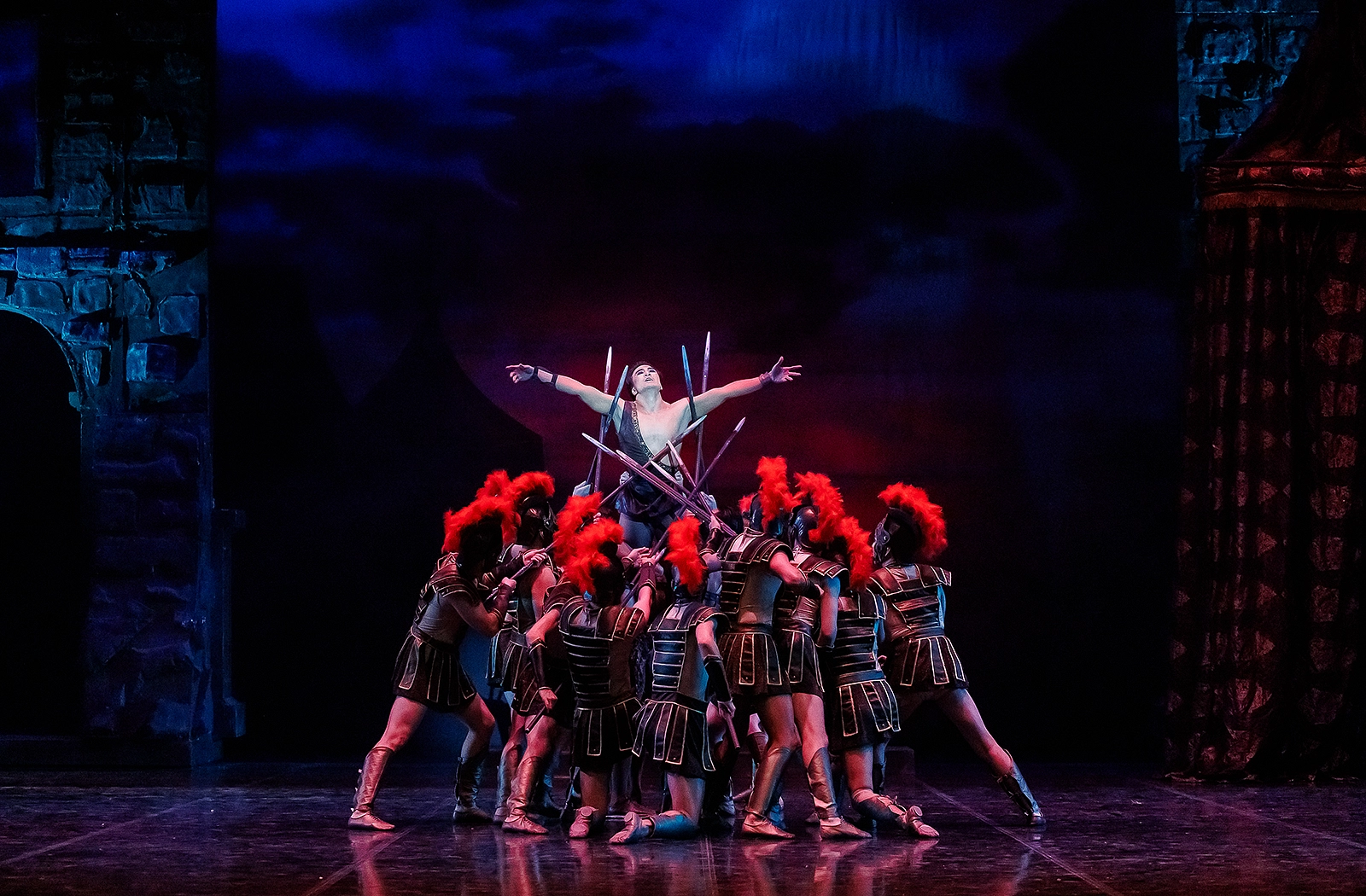
The legions of Crassus surround the forces of Spartacus. In the unequal battle, the ranks of his faithful companions grow thin. Spartacus fearlessly advances against the hordes of Roman mercenaries. Yet the envoys of Crassus close a deadly ring around him and raise him upon their spears. The grief of Phrygia, who comes upon the battlefield, is inconsolable. Together with her, Freedom itself will forever mourn its first hero who rose against slavery.
“Spartacus” is a heroic ballet by Aram Khachaturian about the uprising of Roman slaves led by the legendary gladiator Spartacus, imbued with powerful dramaturgy and vivid Armenian musical motifs.
A. Khachaturian
Spartacus
ballet in 3 acts
Libretto by Nikolai Volkov, edited by Yuri Grigorovich
Choreography by Zaurbek Raibayev, People’s Artist of the Republic of Kazakhstan
The premiere at the Abay Opera House took place on 21.04.1974
Revival on 26.06.2021
Production Team:
Stage Conductor – Yerbolat Akhmedyarov, Honored Worker of the Republic of Kazakhstan
Stage Choreographer – Gulzhan Tutkibayeva, People’s Artist of the Republic of Kazakhstan
Production Designer – Vyacheslav Okunev, People’s Artist of the Russian Federation, laureate of State Prizes
Chief Choirmaster – Aliya Temirbekova, Honored Worker of the Republic of Kazakhstan
Characters:
- Spartacus
- Phrygia
- Aegina
- Crassus
- Etruscans, maidens of Gades, hetaerae, mimes, centurions, followers of Spartacus, and others
Time and place of action: Ancient Rome
Act I
Scene One – “The Invasion”
The military machine of Imperial Rome mercilessly tramples the lands it conquers. The commander Crassus is terrifying in his inhumanity. Wherever his campaigns pass, only scorched earth and thousands upon thousands of captives remain. Among them is the Thracian Spartacus.
Scene Two – “Rome”
At the walls of the imperial capital, male and female captives are separated so they may be sold more profitably to wealthy Roman patricians. Spartacus is torn away from his Phrygia.
Scene Three – “Phrygia at the House of Crassus”
Phrygia has been purchased by Crassus. Aegina, Crassus’s concubine, finds Phrygia’s fear amusing and incomprehensible. Only gold, power, and wine matter to her—everything that can inflame her blood. Two gladiators are thrust into the hall. Life will be granted to the victor; blindfolded, they must fight to the death. The mask is torn from the winner. It is Spartacus.
Scene Four – “The Gladiators’ Barracks”
Spartacus longs to live on his own land, to love his wife, to be free. The chains must be broken; slavery must be escaped. Spartacus calls the gladiators to revolt. His comrades answer with an oath of loyalty. The gladiators flee the barracks.
Act II
Scene One – “The Appian Way”
Into the quiet night of shepherds resting by the roadside burst the rebels. To Spartacus’s call to join them respond not only the shepherds. A handful of brave men grows into an avalanche of slaves. Spartacus is proclaimed their leader.
Scene Two – “The Villa of Crassus”
Spartacus finds Phrygia at Crassus’s southern villa. Great is the joy of the two loving hearts reunited. Yet they must hide from the patricians and from Aegina, who are on their way to a feast at Crassus’s residence.
Scene Three – “The Triumph of Crassus”
The patricians glorify Crassus—an earthly god on the Olympus of his power and victories. Suddenly dreadful news interrupts the flow of praise: the villa is surrounded by the troops of Spartacus. The famed commanders flee; in fear, Crassus and Aegina flee as well.
Scene Four – “The Defeat of Crassus”
The captured Crassus is brought before Spartacus. The patrician recognizes the former gladiator. The rebels wish to kill the Roman commander, but Spartacus restrains the raised swords. Crassus may save his life as gladiators once did at his command—in open combat. The rebels are not murderers, but warriors. Crassus cannot withstand Spartacus in battle. Spartacus drives him away in contempt, so that all may witness the cowardice and insignificance of the ambitious patrician.
Act III
Scene One – “The Conspiracy”
Humiliated, Crassus swears cruel revenge upon the slaves who brought him to his knees. Aegina inflames his hatred. Crassus summons his generals—campaign and death to the rebels. Aegina sends him off.
Scene Two – “The Camp of Spartacus”
Aegina comes to the camp of the Spartacists. Not without reason does Phrygia sense impending disaster; her loving heart feels it in the darkness. Spartacus tries to comfort her, yet she fears not for herself. News arrives: the legions of Rome are marching against them. Spartacus proposes a battle plan and demands from his commanders an oath of loyalty. The weak are frightened by his bold and perilous decision.
Scene Three – “Betrayal”
The loyal leaders await Spartacus’s signal and follow him at his first call. In another moment even the wavering might have joined them—but from the darkness of night emerges Aegina. Wine and courtesans tempt the weak, and they become traitors. They are seized by the approaching forces of Crassus. Aegina will be richly rewarded for her aid.
Scene Four – “The Last Battle”
The legions of Crassus surround the forces of Spartacus. In the unequal battle, the ranks of his faithful companions grow thin. Spartacus fearlessly advances against the hordes of Roman mercenaries. Yet the envoys of Crassus close a deadly ring around him and raise him upon their spears. The grief of Phrygia, who comes upon the battlefield, is inconsolable. Together with her, Freedom itself will forever mourn its first hero who rose against slavery.
Cast and Performers
The cast will be announced along with the official date
Gallery
Gallery