Opera
IL Barbiere di Siviglia April 23, 2026, 19:00
Description
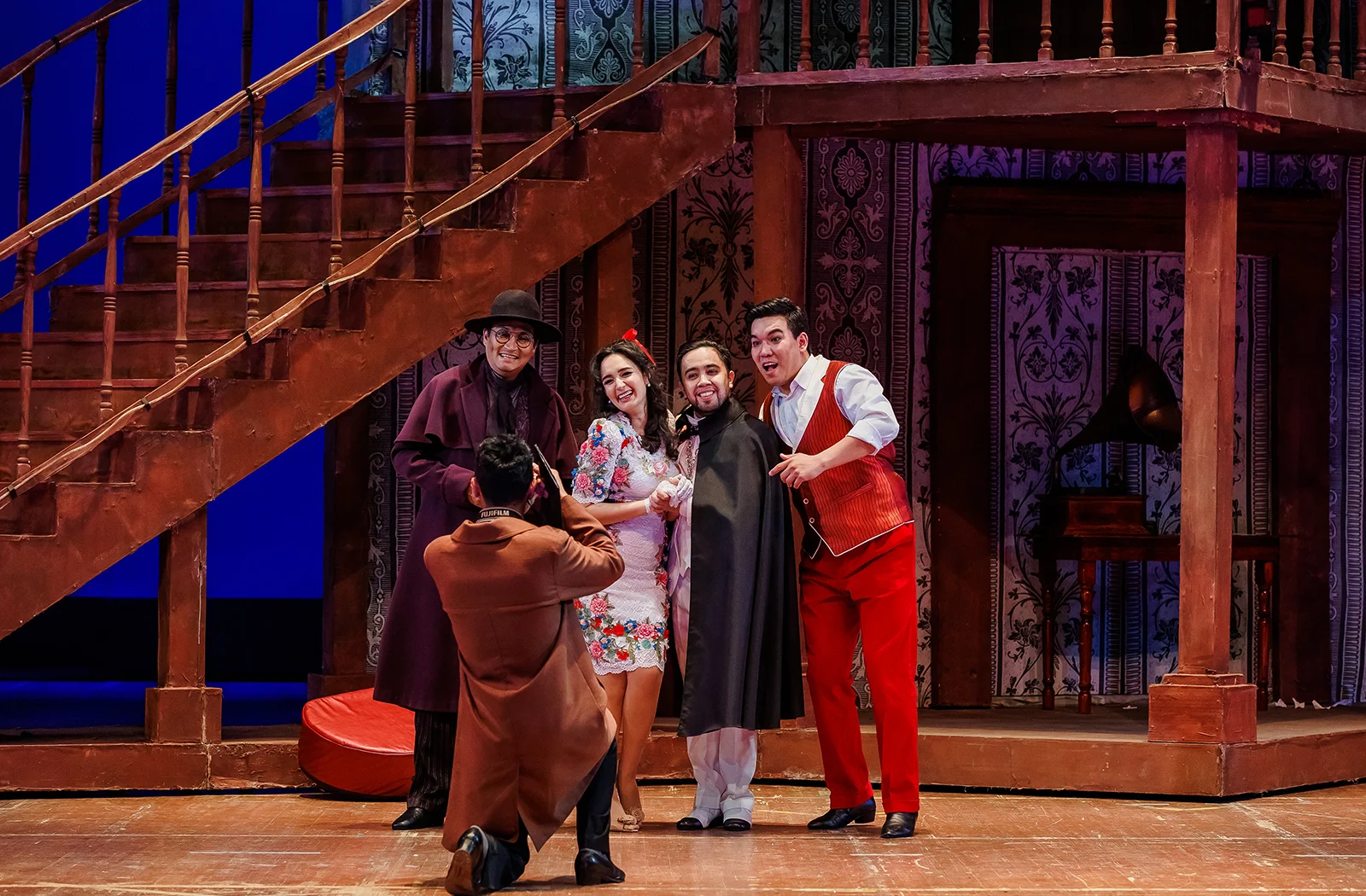
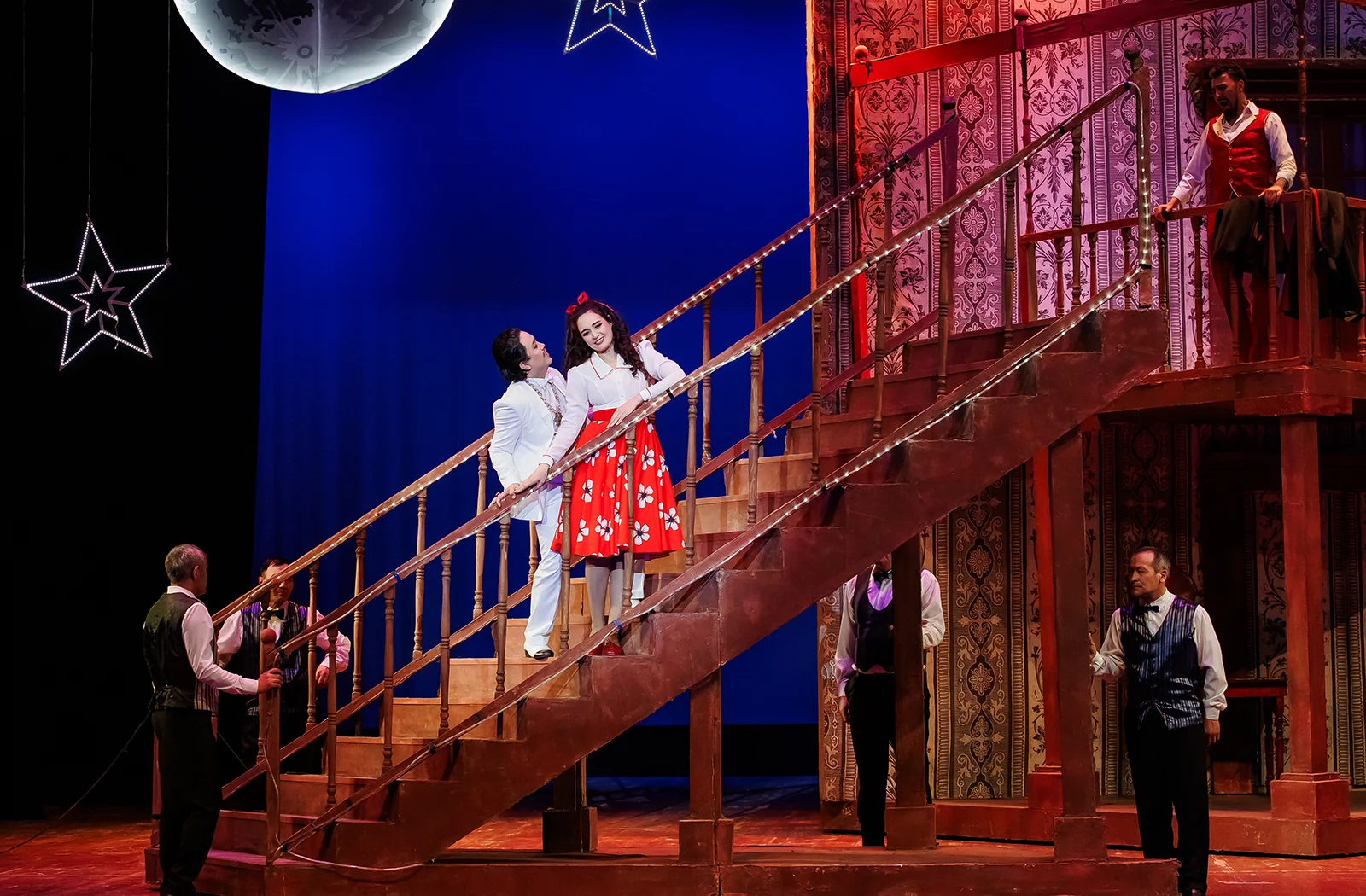
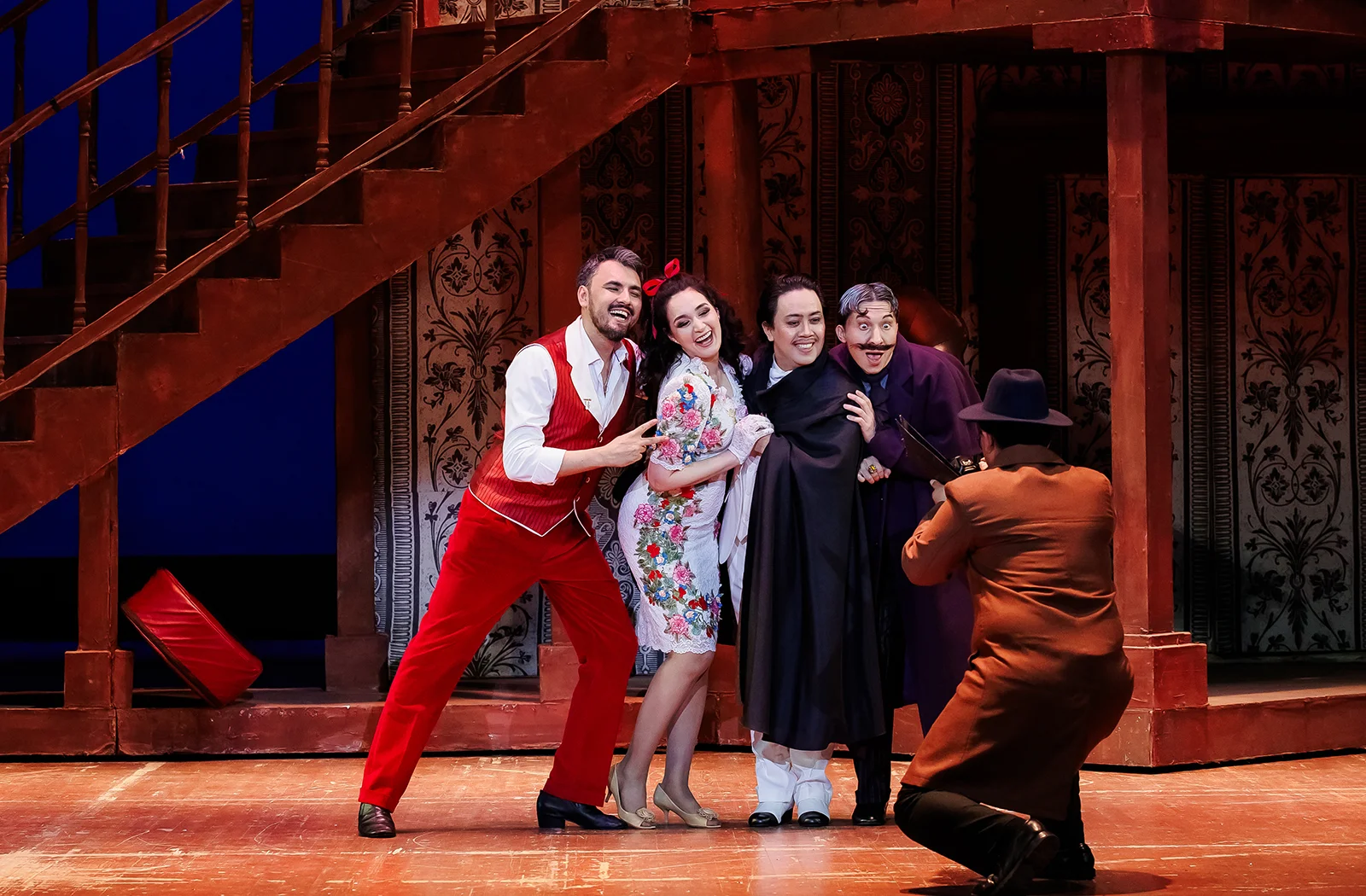
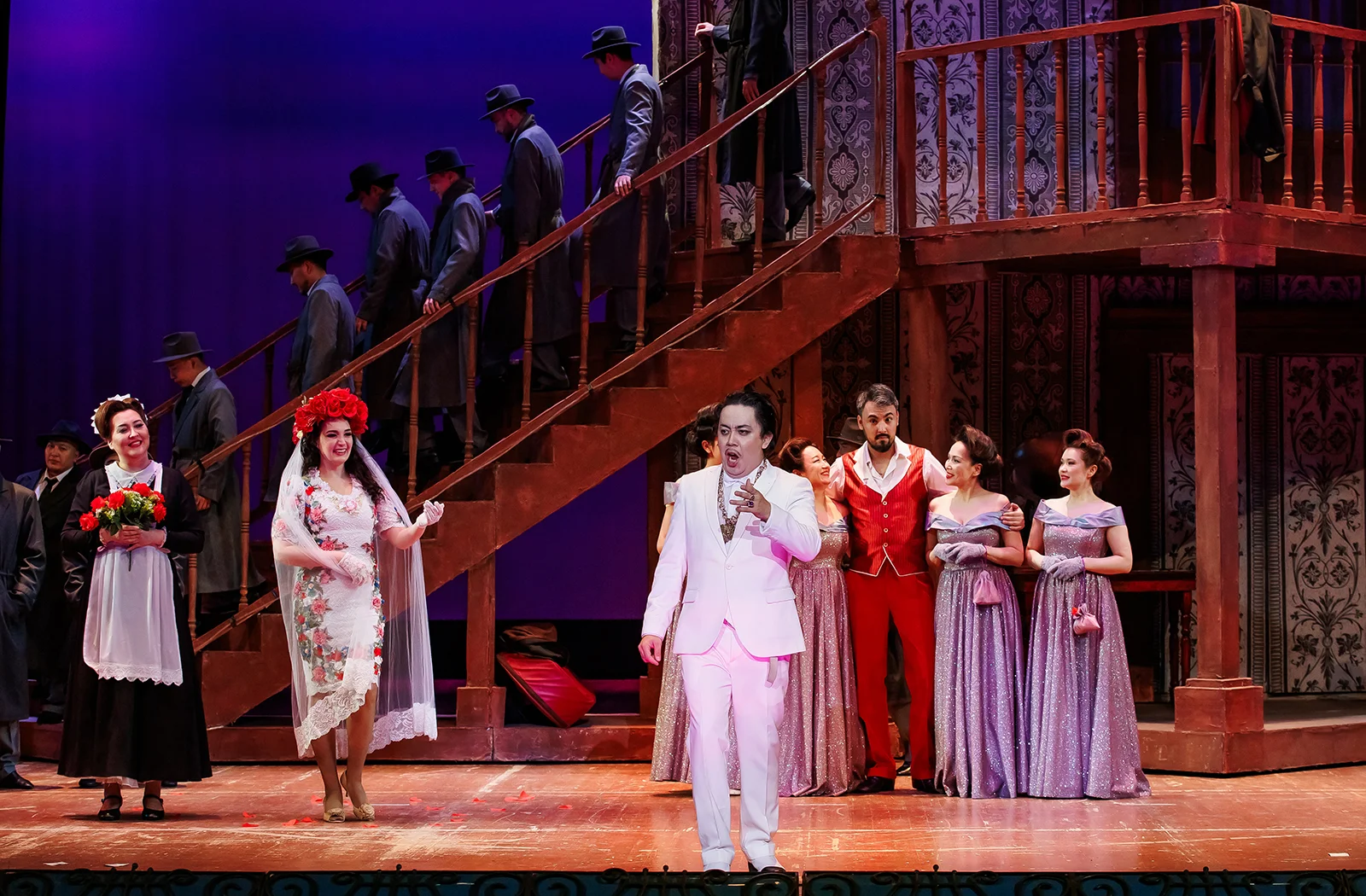
A vibrant and witty opera about love, disguises, and cunning intrigue, where genuine emotion triumphs over calculation and convention. Rossini’s music imbues the action with lightness, lively spirit, and festive theatrical energy.
Gioacchino Rossini’s Il Barbiere di Siviglia is the most famous comic opera based on the play of the same name by the French playwright Pierre-Augustin Caron de Beaumarchais.
The opera premiered in Rome on February 12, 1816. Several other composers had already written operas based on Beaumarchais’ play, and no one expected such a brilliant musical event in Italy. Yet it was Rossini’s opera that achieved an astonishing success. The audience organized a triumphant torchlight procession to the composer’s house. To this day, Rossini’s masterpiece remains one of the most frequently performed operas in the world repertoire.
At our theatre, the opera was first staged in 1972 by People’s Artist of the USSR Yermek Serkebayev, an outstanding performer of the role of Figaro, which became one of the legendary singer’s finest parts.
G. Rossini
Il Barbiere di Siviglia
Comic opera in 2 acts
Libretto by Cesare Sterbini after the play by Pierre-Augustin Caron de Beaumarchais
At the Abay Opera House, the premiere took place on 27.12.2014
Production Team:
Musical director and conductor – Vittorio Parisi (Italy)
Stage Director – Cristine Hucke Cisterna (Italy)
Production Designer – Patricio Perez (Chile)
Choirmaster – Aliya Temirbekova, Honored Worker of the Republic of Kazakhstan
Characters
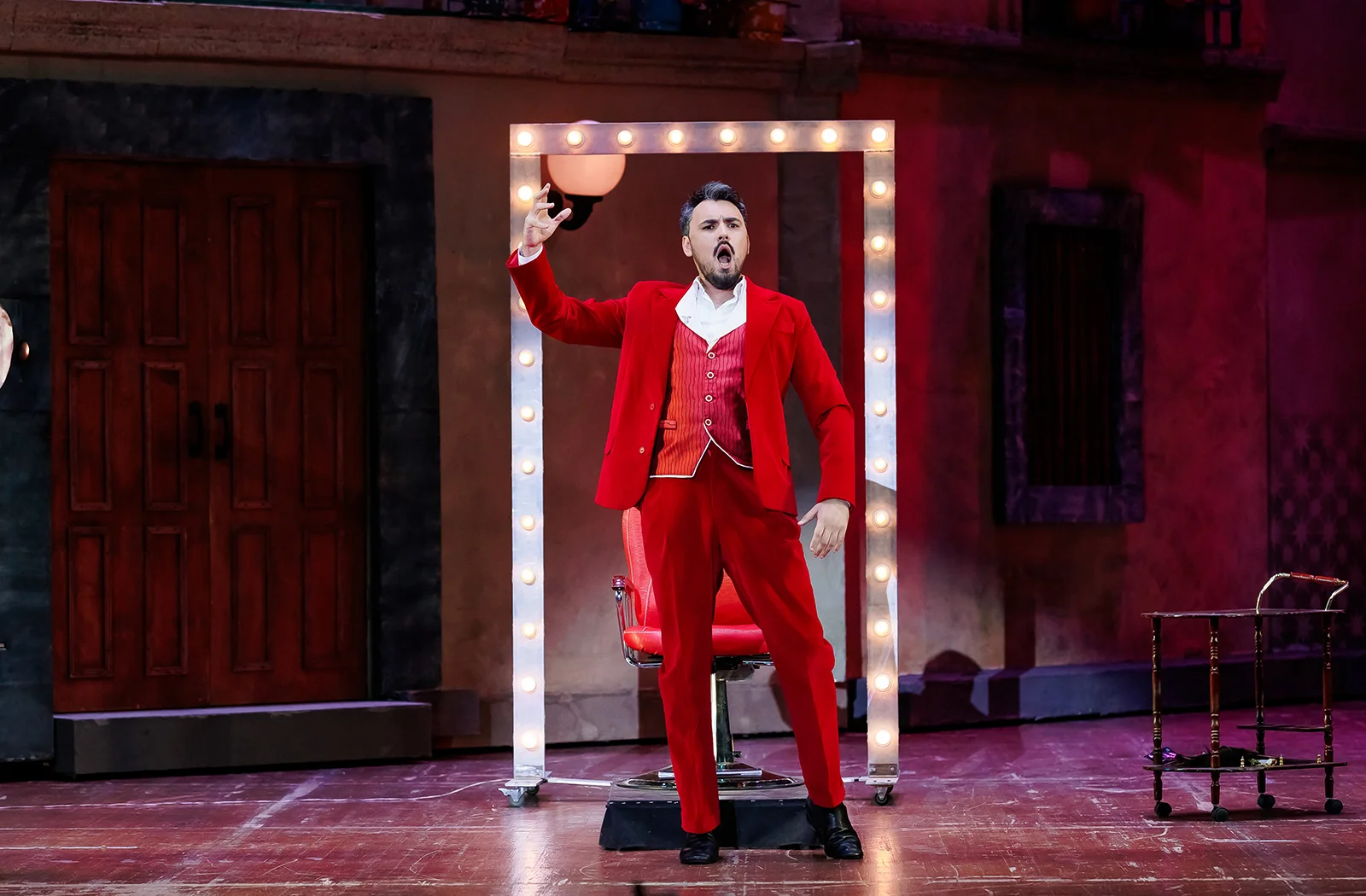
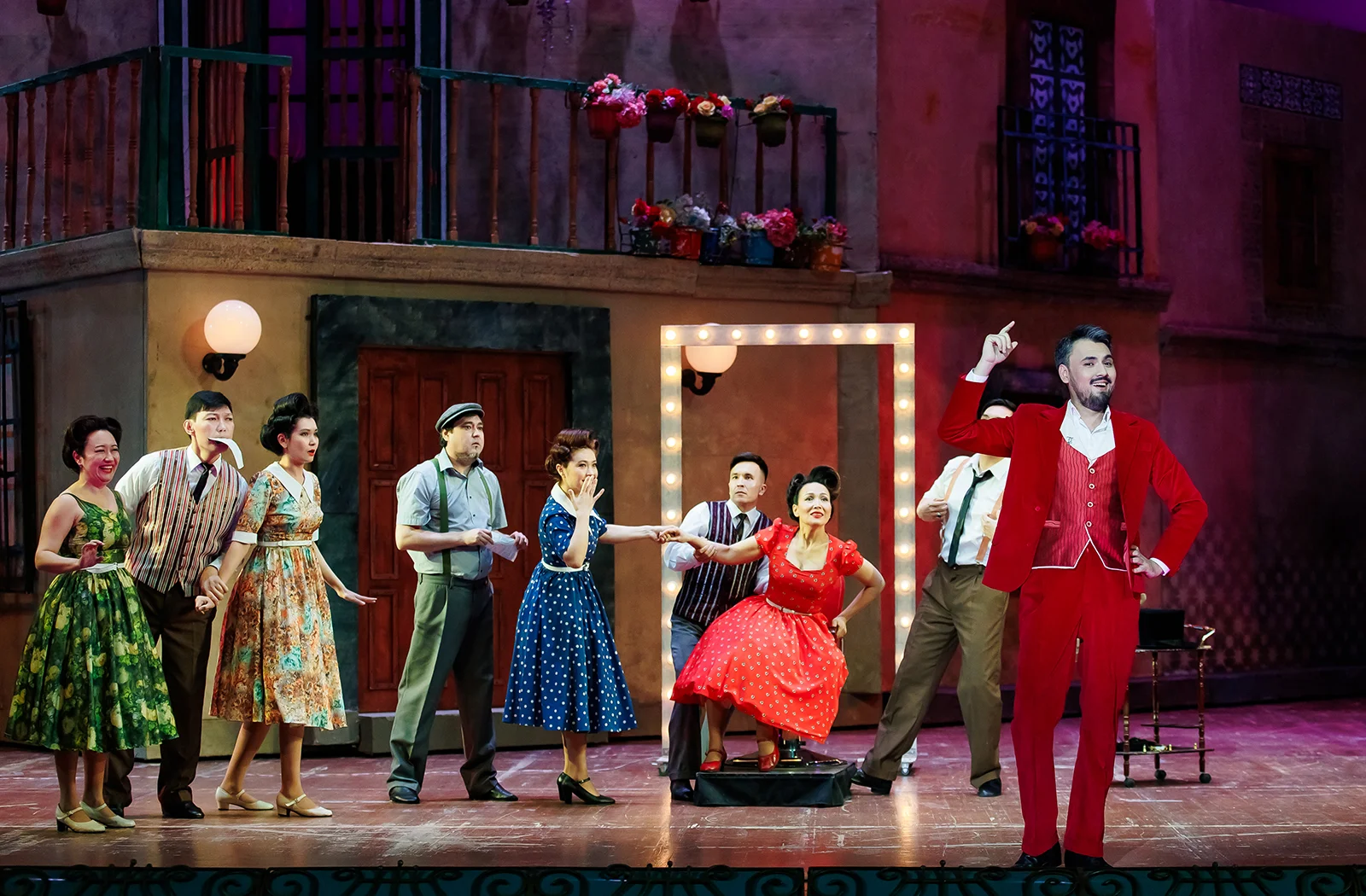
- Figaro, a barber
- Rosina, ward of Dr. Bartolo
- Count Almaviva
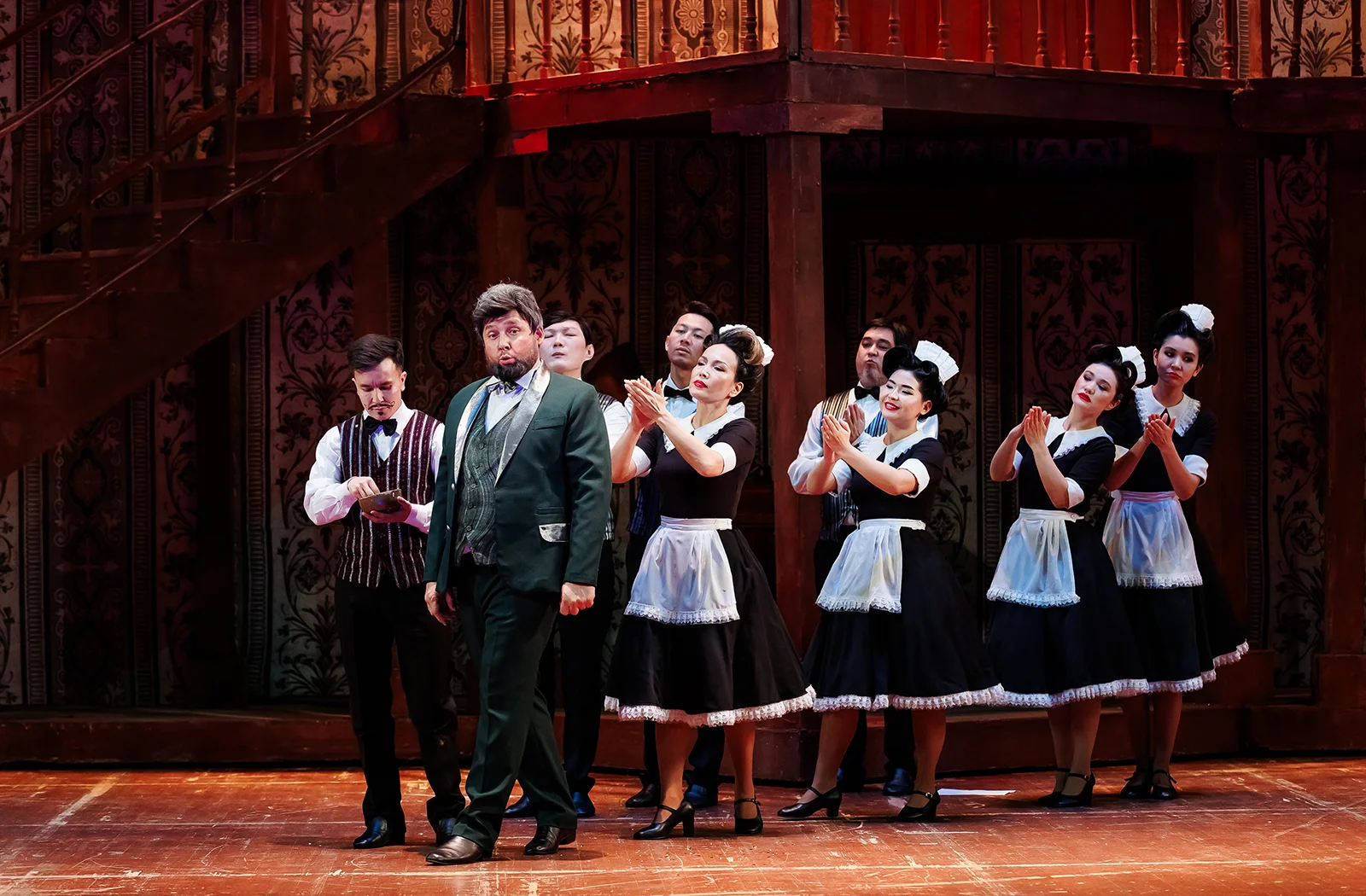
- Bartolo, a doctor, Rosina’s guardian
- Don Basilio, a singing teacher
- Fiorello, servant to the Count
- Berta, Dr. Bartolo’s housekeeper
- Officer
Act 1
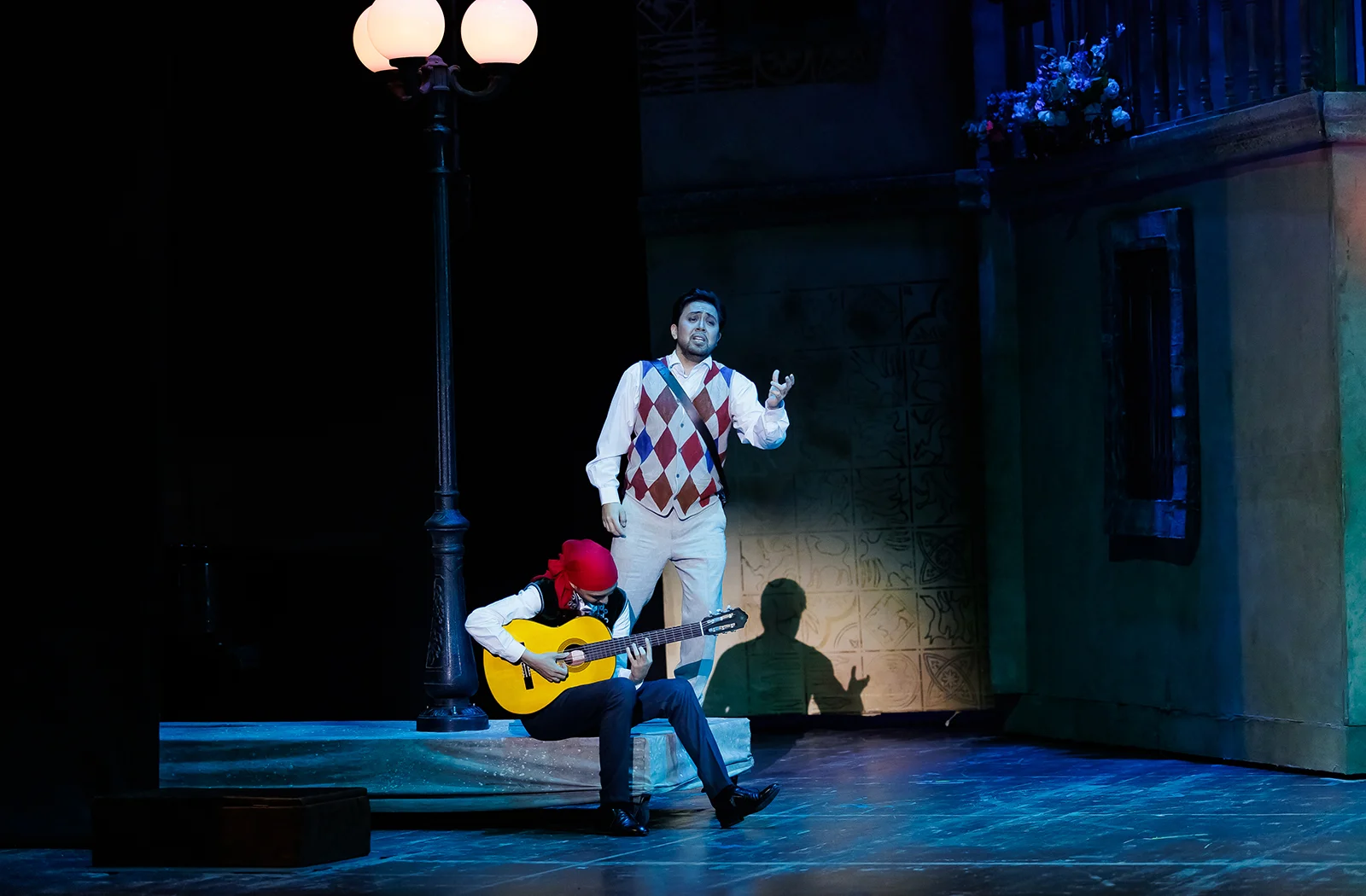
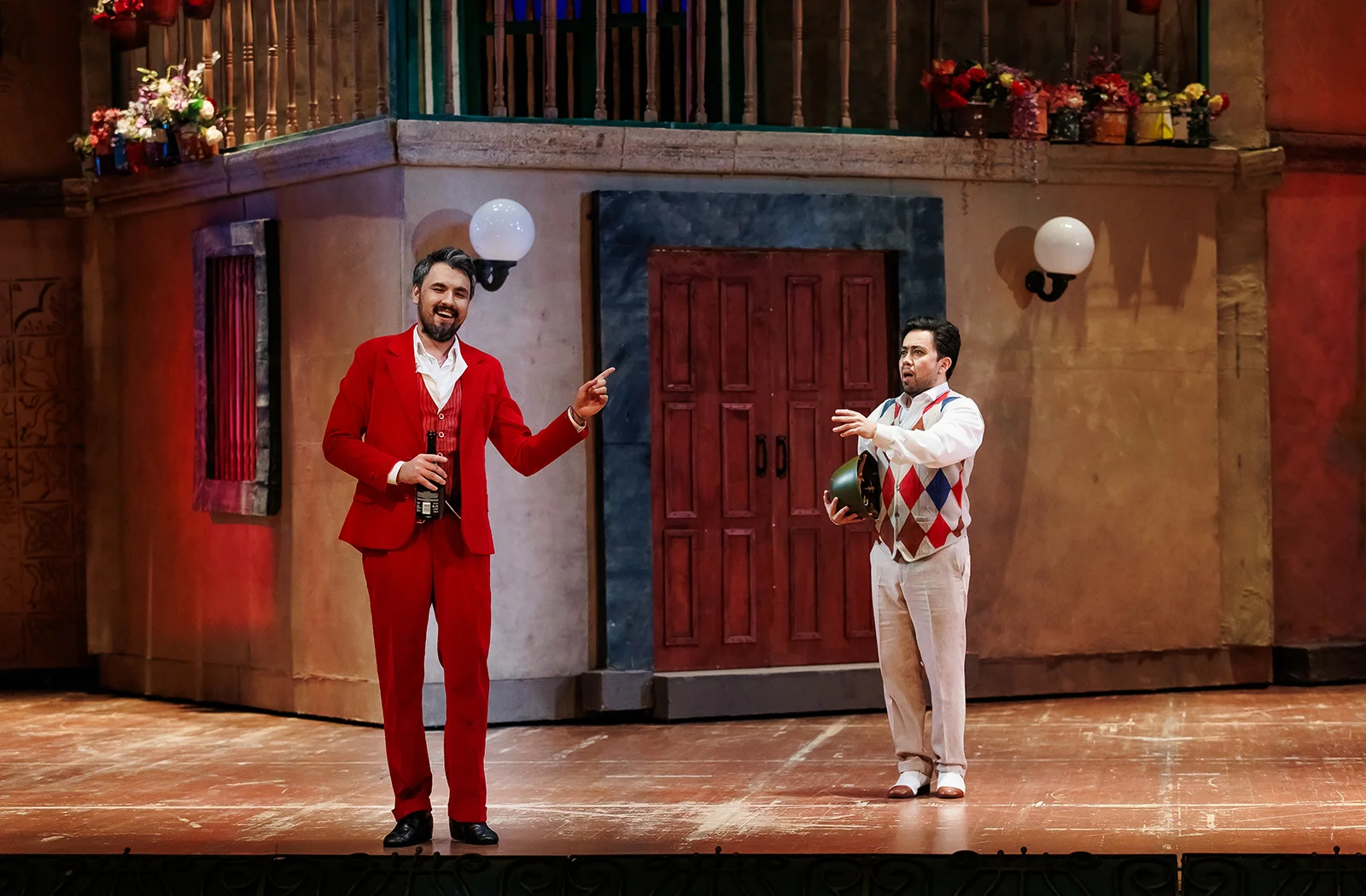
In the silence of the night, on one of the streets of sleeping Seville, a serenade is heard. It is Count Almaviva, posing as a poor young man named Lindoro, singing of his love for the beautiful Rosina. The girl listens to the serenade with delight, but she cannot come out to meet him. Her guardian, Dr. Bartolo, watches her closely. The old man has decided to marry his young ward himself and never lets her out of his sight. The barber Figaro, a merry fellow of inexhaustible wit and invention, comes to the Count’s aid. He offers Almaviva an ingenious plan: there are military units in the city, and by law Bartolo cannot refuse to obey an order to lodge soldiers in private homes.
The Count will be able to enter Bartolo’s house disguised as a soldier and meet his beloved.
A room in Bartolo’s house. Rosina fondly remembers Lindoro. She is not afraid of the obstacles set by her guardian. She has firmly resolved to overcome every difficulty and unite her судьба with that of the man she loves. She writes this in a letter that Figaro is to deliver to Lindoro. But Bartolo is also on guard. Inviting Don Basilio, Rosina’s music teacher, he consults with him on how to get rid of his rival. The crafty Basilio proposes a time-tested weapon – slander.
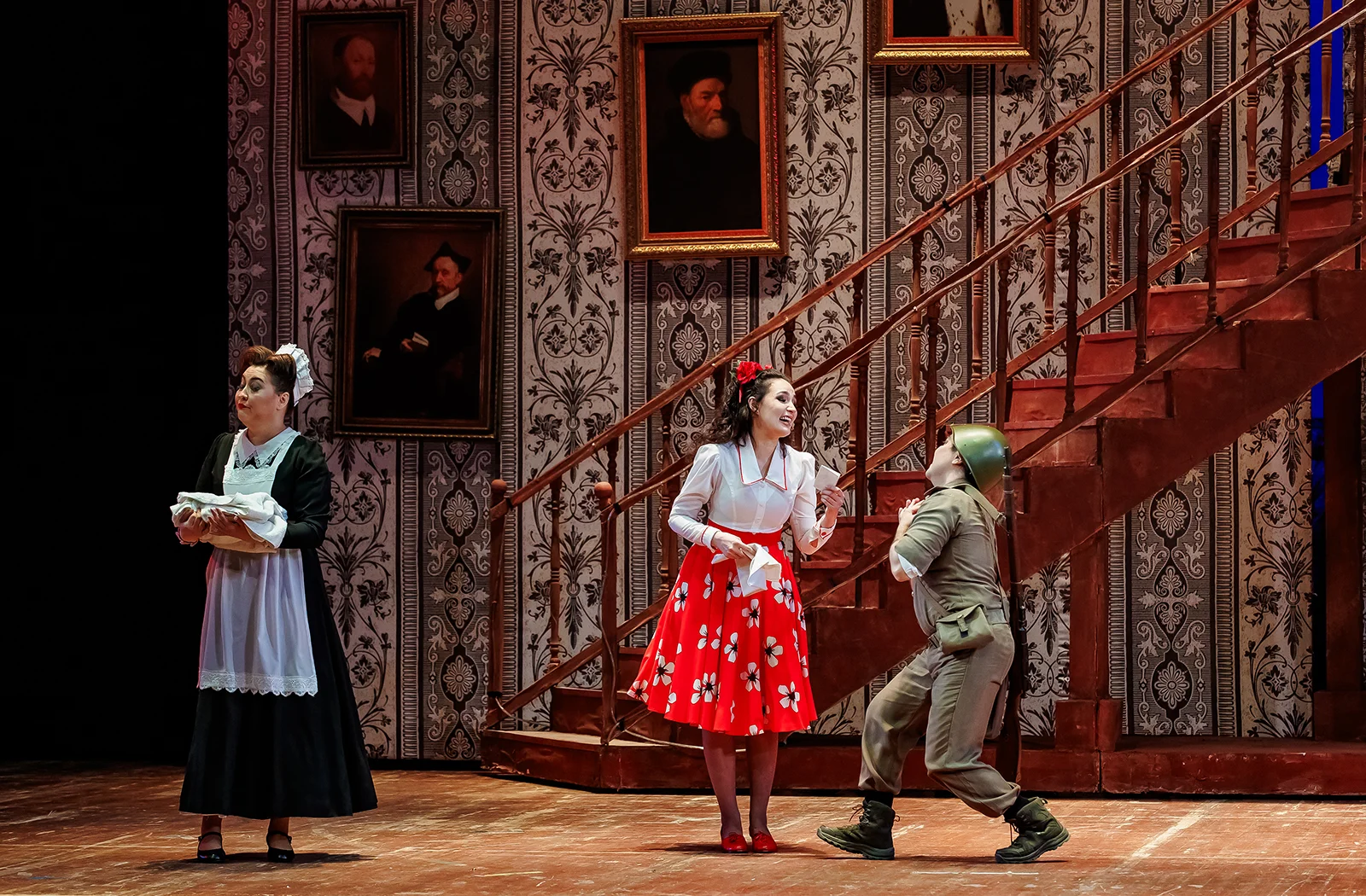
Suddenly the doors burst open, and a drunken soldier storms into the house. It is Almaviva. He demands a room. Bartolo’s explanations that his house is exempt from billeting are in vain. Almaviva tries to slip Rosina a note. The noisy commotion attracts the attention of the officer in charge of the guard. After hearing Bartolo’s complaints, he is about to arrest the supposed soldier, but the Count shows him a sign bearing the seal of noble rank, and to everyone’s astonishment, the officer bows respectfully and withdraws. The house is thrown into confusion and turmoil.
Act 2
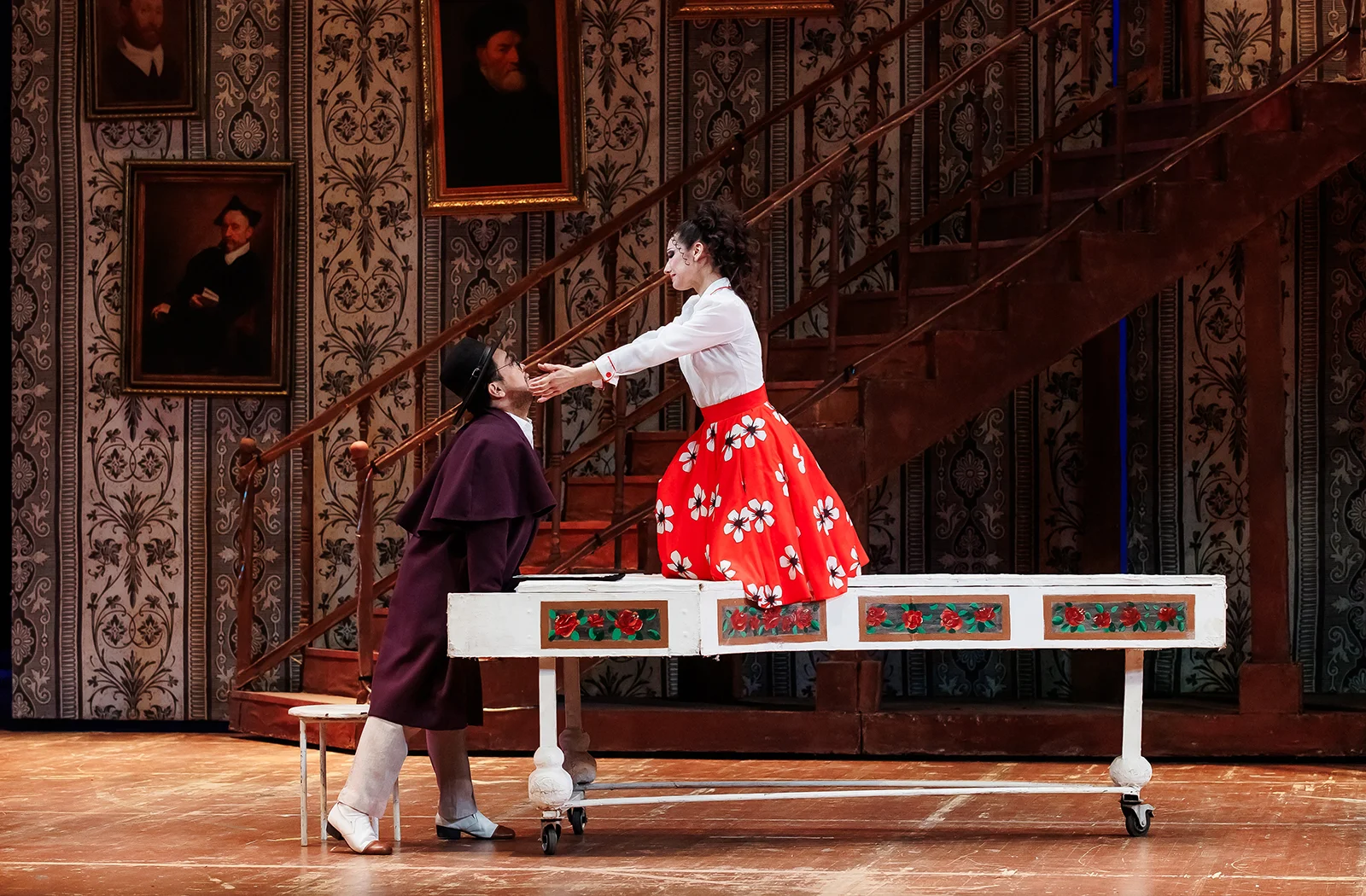
Count Almaviva appears again in Bartolo’s house, this time disguised as Don Alonso, a pupil of Basilio. He has come to give Rosina her music lesson in place of her supposedly ill teacher. The music lesson, during which the lovers exchange kisses behind Bartolo’s back, is unexpectedly interrupted by the arrival of Don Basilio. He refuses all pleas to go home and take to his bed. Only after receiving a purse from the Count does he finally leave.
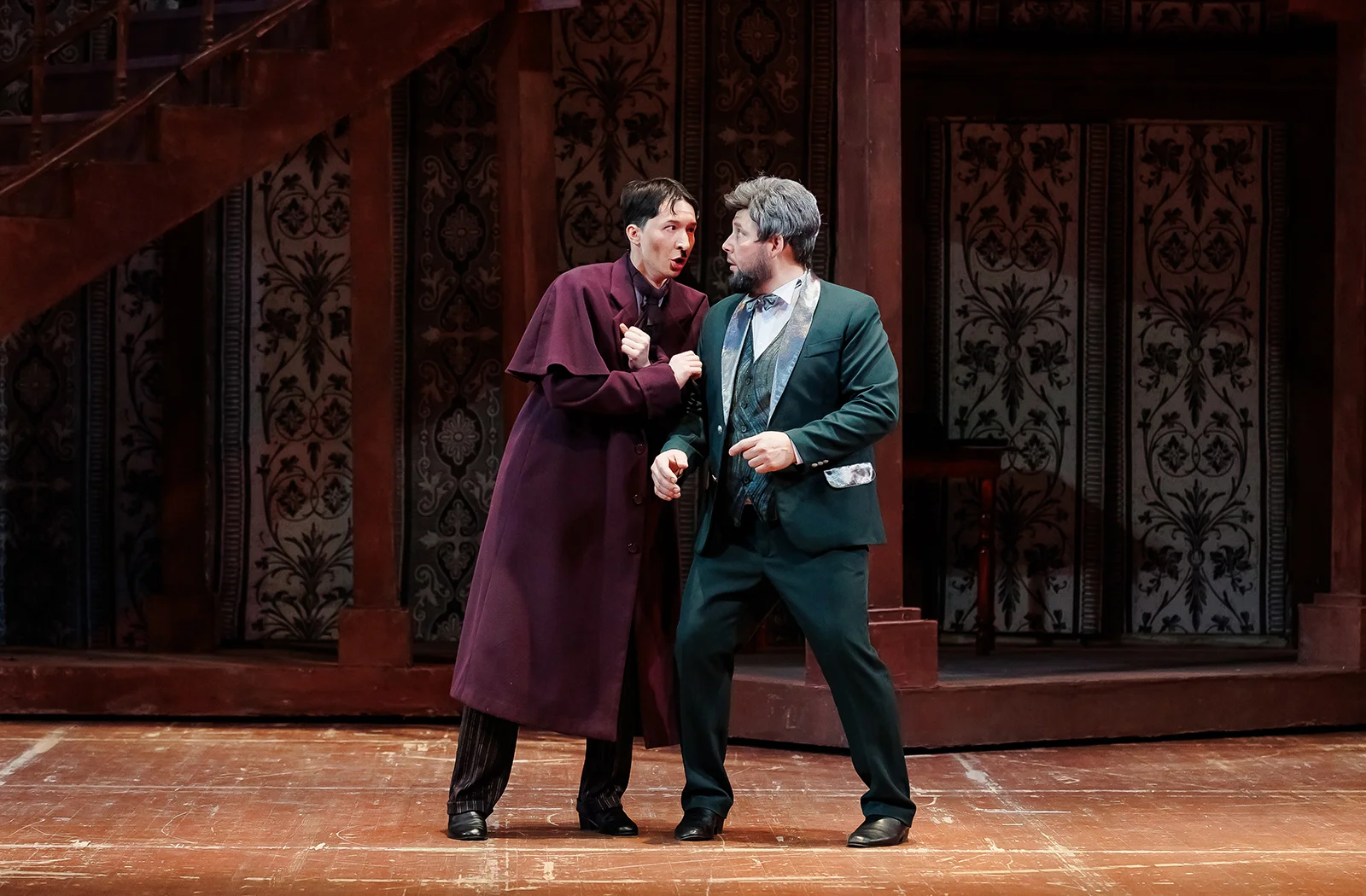
Having got rid of the unwelcome guest, Figaro begins shaving the doctor, while Rosina arranges her escape with her beloved. However, despite all the tricks of the clever barber, Bartolo senses that something is wrong. The plot is discovered. Bartolo manages to convince Rosina that she has been deceived. He shows her the letter, hinting that she is merely another object in Count Almaviva’s love intrigues.
Blinding lightning flashes across the night sky, and thunder rolls. A storm begins.
The Count and Figaro make their way into the house. They have come for Rosina, but she refuses to run away. Indignant, she accuses Lindoro of deception. But then it is revealed that Almaviva and Lindoro are one and the same person. Rosina is overjoyed. The lovers must flee, but the ladder beneath the balcony has disappeared. Don Basilio appears with a notary. They have been summoned by Dr. Bartolo to sign his marriage contract at once.
Taking advantage of Bartolo’s absence, the resourceful Figaro tells the notary that he has in fact been called to register the marriage of Count Almaviva and Rosina. Don Basilio tries to object, but softened by the Count’s generous gift, he immediately falls silent and willingly signs the marriage contract.
Bartolo appears and learns that Rosina and Count Almaviva have just become husband and wife. He is in despair. By removing the ladder himself, he has unwittingly made this marriage possible. Such is the meaning of “vain precaution”!
A vibrant and witty opera about love, disguises, and cunning intrigue, where genuine emotion triumphs over calculation and convention. Rossini’s music imbues the action with lightness, lively spirit, and festive theatrical energy.
Gioacchino Rossini’s Il Barbiere di Siviglia is the most famous comic opera based on the play of the same name by the French playwright Pierre-Augustin Caron de Beaumarchais.
The opera premiered in Rome on February 12, 1816. Several other composers had already written operas based on Beaumarchais’ play, and no one expected such a brilliant musical event in Italy. Yet it was Rossini’s opera that achieved an astonishing success. The audience organized a triumphant torchlight procession to the composer’s house. To this day, Rossini’s masterpiece remains one of the most frequently performed operas in the world repertoire.
At our theatre, the opera was first staged in 1972 by People’s Artist of the USSR Yermek Serkebayev, an outstanding performer of the role of Figaro, which became one of the legendary singer’s finest parts.
G. Rossini
Il Barbiere di Siviglia
Comic opera in 2 acts
Libretto by Cesare Sterbini after the play by Pierre-Augustin Caron de Beaumarchais
At the Abay Opera House, the premiere took place on 27.12.2014
Production Team:
Musical director and conductor – Vittorio Parisi (Italy)
Stage Director – Cristine Hucke Cisterna (Italy)
Production Designer – Patricio Perez (Chile)
Choirmaster – Aliya Temirbekova, Honored Worker of the Republic of Kazakhstan
Characters
- Figaro, a barber
- Rosina, ward of Dr. Bartolo
- Count Almaviva
- Bartolo, a doctor, Rosina’s guardian
- Don Basilio, a singing teacher
- Fiorello, servant to the Count
- Berta, Dr. Bartolo’s housekeeper
- Officer
Act 1
In the silence of the night, on one of the streets of sleeping Seville, a serenade is heard. It is Count Almaviva, posing as a poor young man named Lindoro, singing of his love for the beautiful Rosina. The girl listens to the serenade with delight, but she cannot come out to meet him. Her guardian, Dr. Bartolo, watches her closely. The old man has decided to marry his young ward himself and never lets her out of his sight. The barber Figaro, a merry fellow of inexhaustible wit and invention, comes to the Count’s aid. He offers Almaviva an ingenious plan: there are military units in the city, and by law Bartolo cannot refuse to obey an order to lodge soldiers in private homes.
The Count will be able to enter Bartolo’s house disguised as a soldier and meet his beloved.
A room in Bartolo’s house. Rosina fondly remembers Lindoro. She is not afraid of the obstacles set by her guardian. She has firmly resolved to overcome every difficulty and unite her судьба with that of the man she loves. She writes this in a letter that Figaro is to deliver to Lindoro. But Bartolo is also on guard. Inviting Don Basilio, Rosina’s music teacher, he consults with him on how to get rid of his rival. The crafty Basilio proposes a time-tested weapon – slander.
Suddenly the doors burst open, and a drunken soldier storms into the house. It is Almaviva. He demands a room. Bartolo’s explanations that his house is exempt from billeting are in vain. Almaviva tries to slip Rosina a note. The noisy commotion attracts the attention of the officer in charge of the guard. After hearing Bartolo’s complaints, he is about to arrest the supposed soldier, but the Count shows him a sign bearing the seal of noble rank, and to everyone’s astonishment, the officer bows respectfully and withdraws. The house is thrown into confusion and turmoil.
Act 2
Count Almaviva appears again in Bartolo’s house, this time disguised as Don Alonso, a pupil of Basilio. He has come to give Rosina her music lesson in place of her supposedly ill teacher. The music lesson, during which the lovers exchange kisses behind Bartolo’s back, is unexpectedly interrupted by the arrival of Don Basilio. He refuses all pleas to go home and take to his bed. Only after receiving a purse from the Count does he finally leave.
Having got rid of the unwelcome guest, Figaro begins shaving the doctor, while Rosina arranges her escape with her beloved. However, despite all the tricks of the clever barber, Bartolo senses that something is wrong. The plot is discovered. Bartolo manages to convince Rosina that she has been deceived. He shows her the letter, hinting that she is merely another object in Count Almaviva’s love intrigues.
Blinding lightning flashes across the night sky, and thunder rolls. A storm begins.
The Count and Figaro make their way into the house. They have come for Rosina, but she refuses to run away. Indignant, she accuses Lindoro of deception. But then it is revealed that Almaviva and Lindoro are one and the same person. Rosina is overjoyed. The lovers must flee, but the ladder beneath the balcony has disappeared. Don Basilio appears with a notary. They have been summoned by Dr. Bartolo to sign his marriage contract at once.
Taking advantage of Bartolo’s absence, the resourceful Figaro tells the notary that he has in fact been called to register the marriage of Count Almaviva and Rosina. Don Basilio tries to object, but softened by the Count’s generous gift, he immediately falls silent and willingly signs the marriage contract.
Bartolo appears and learns that Rosina and Count Almaviva have just become husband and wife. He is in despair. By removing the ladder himself, he has unwittingly made this marriage possible. Such is the meaning of “vain precaution”!
Cast and Performers
(April 23, 2026, 19:00)
- Figaro, a barber Nurbol Artykbaev (), first performance
- Rosina, ward of Dr Bartolo Zarina Altynbayeva, Honored Worker of the Republic of Kazakhstan
- Count Almaviva Damir Saduakhasov
- Bartolo, a doctor in Seville Zhandarbek Erkinbayev
- Don Basilio, a singing teacher Ilyas Artagaliyev
- Fiorello, servant to the Count Alikhan Beisekov
- Berta Irina Kotova
- Officer Daniyar Tulegenov
-
Symphony Orchestra and Chorus Company of the Kazakh National Opera and Ballet Theatre named after Abay
- Conductor – Renat Salavatov, , Honored Artist of the Russian Federation, People’s Artist of Tatarstan, Honoured Worker of Kazakhstan
Gallery
Gallery