Opera
Khan sultan. Altyn orda March 26, 2026, 19:00
Description
Archived
Khan Sultan was one of the prominent rulers of the Golden Horde, the mother of the great Khan Berke, and the third wife of Jochi Khan. The opera begins with Genghis Khan’s conquest of the Khwarazmian state a major center of Muslim culture and a Turkic political union and concludes with the establishment of the Golden Horde. Khan Sultan became a significant figure in the history of the Golden Horde due to her intelligence, character, and political wisdom, making herself and her sons key figures in the Ulus of Jochi.
Khan Sultan
Opera in Two Acts
opera in 2 acts
Cast
- Khan Sultan – wife of Jochi, 25 years old (soprano)
- Genghis Khan – 60 years old (baritone)
- Jochi – 40 years old (baritone)
- Chagatai – younger brother of Jochi (tenor)
- Turken Khatun – grandmother of Khan Sultan, captive of Genghis Khan (mezzo-soprano)
- Borte – 60 years old (mezzo-soprano)
- Kunan Noyan – representative of the military nobility (bass-baritone)
- Taishy Sheber – master carpenter, 40 years old (tenor)
- Kaisha – wife of Taishy, maidservant of Khan Sultan (soprano)
- Senior Yasaul – military official (tenor)
- Kulan Khatun – second wife of Genghis Khan
- Sarkhan Khatun – wife of Jochi, 30 years old (soprano)
- Bektamish – wife of Jochi, mother of Batu, 35 years old (soprano)
- Batu – 27 years old (baritone)
- Berke – at different stages of life (tenor)
- Berkeshar – younger brother of Berke
- Bori Muhammad – youngest brother of Berke
- Servants, yasauls, warriors, people, personal guards (chorus)
ACT ONE
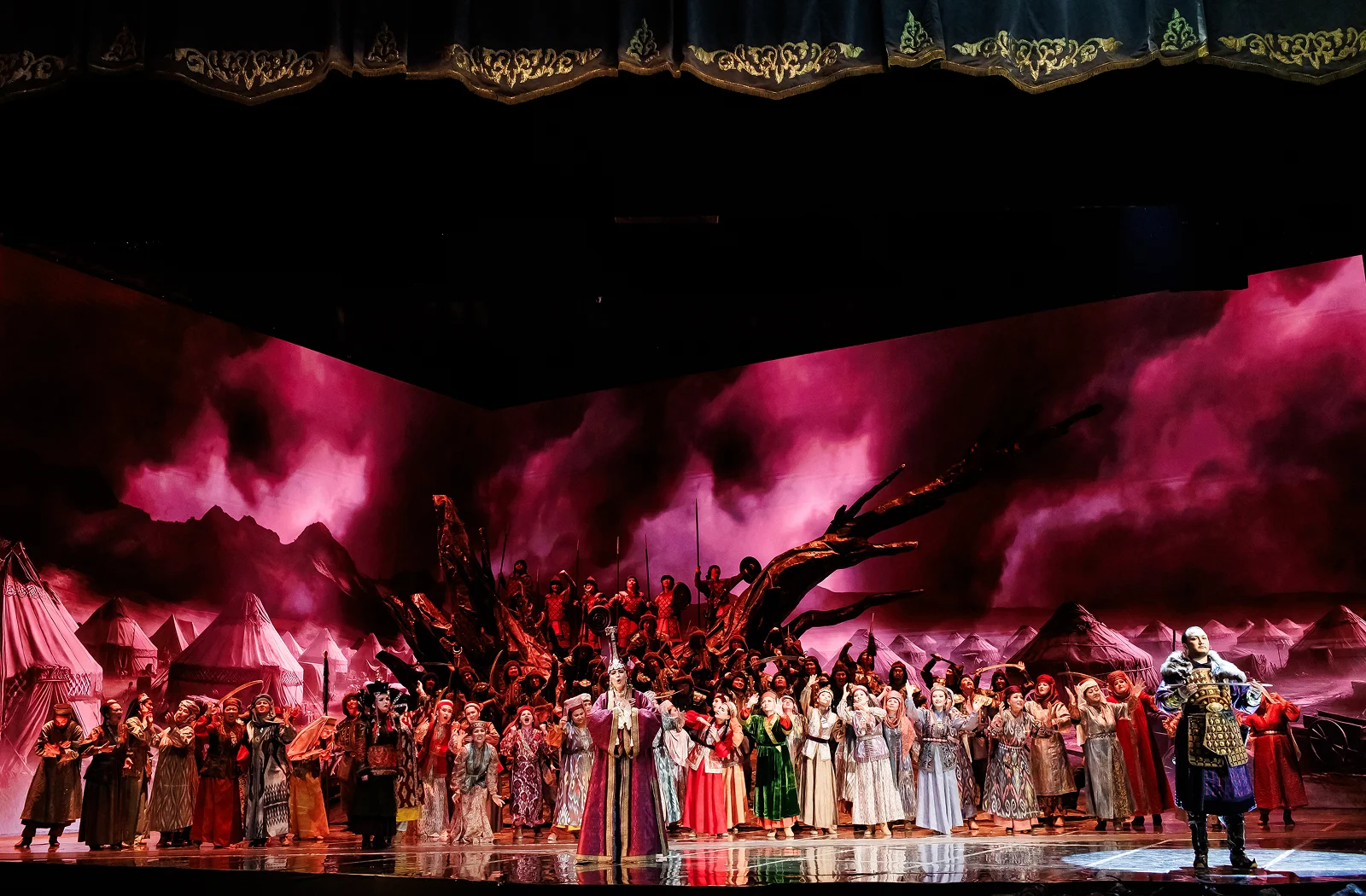
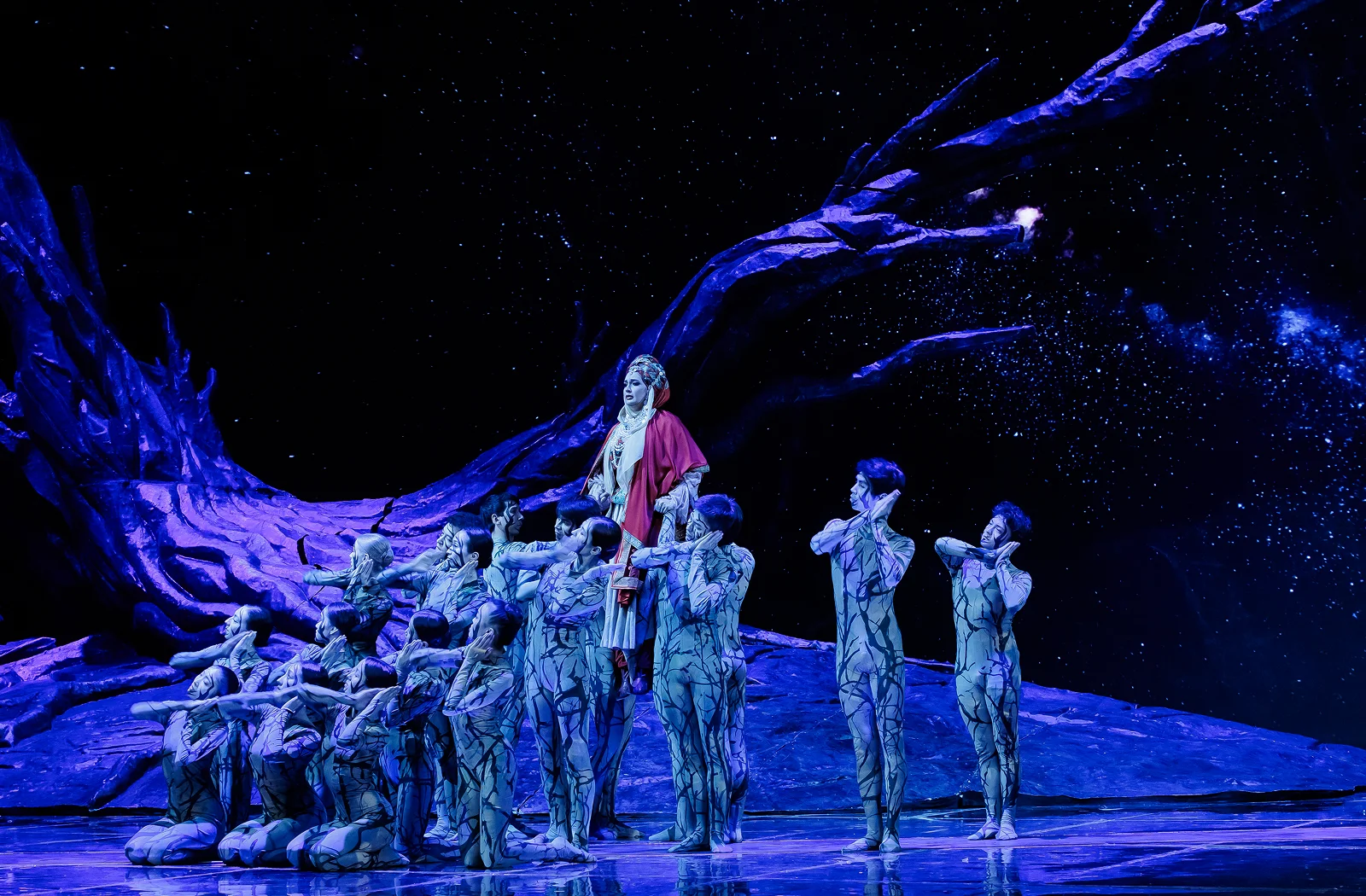
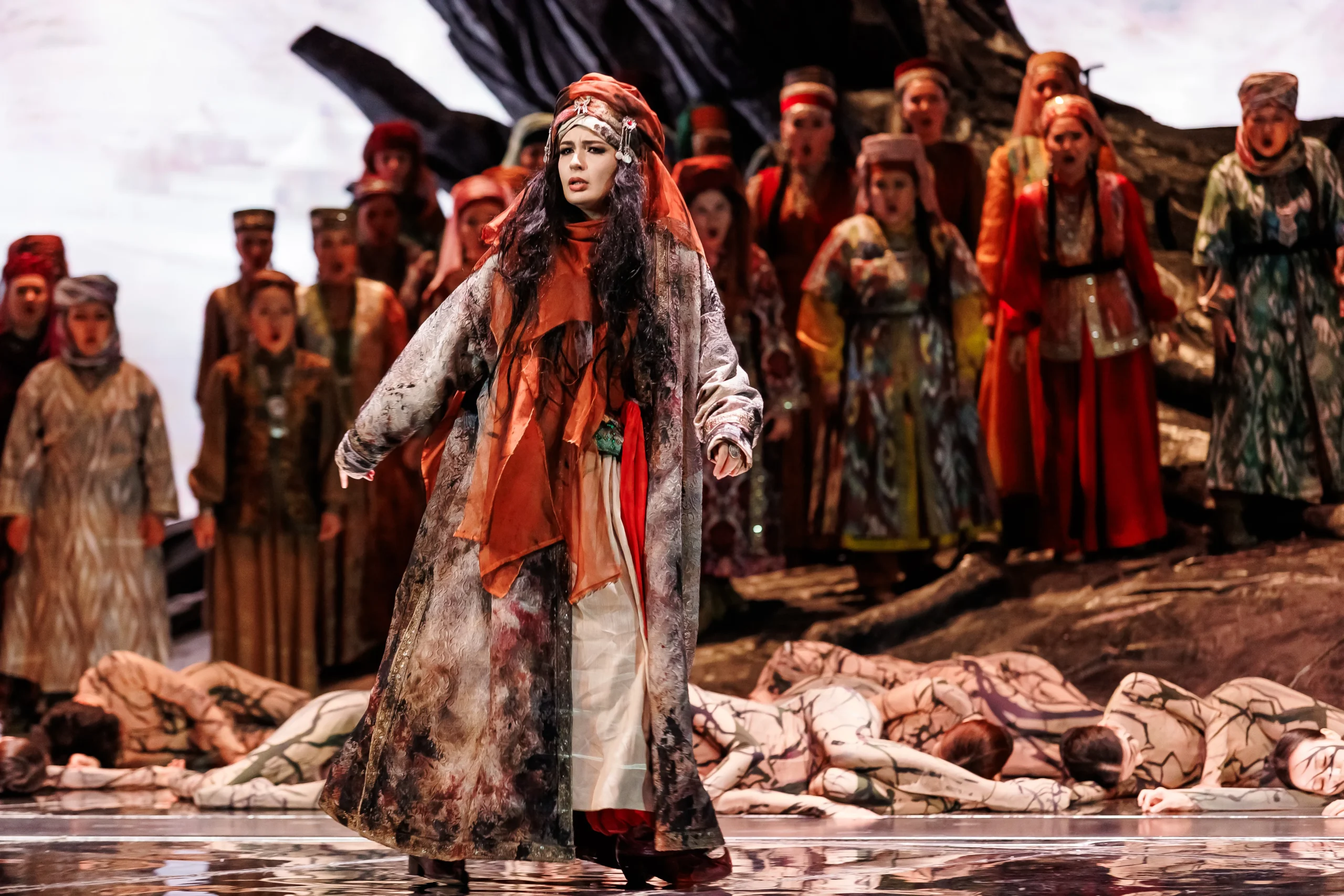
Scene One. After a brutal battle, the steppe has turned into a field of death. Among the bodies of the fallen appears a barely living woman — exhausted, bloodied, in rags. Her emergence breaks the grim silence and foreshadows the unfolding drama.
Scene Two.
In Genghis Khan’s campaign tent, captive women lament the ruined cities of Central Asia. Turken Khatun, mother of the Khwarazm Shah, mourns the lost past; the yasauls are ready to silence the cries, yet Genghis Khan listens in silence, not interrupting their grief.
Scene Three.
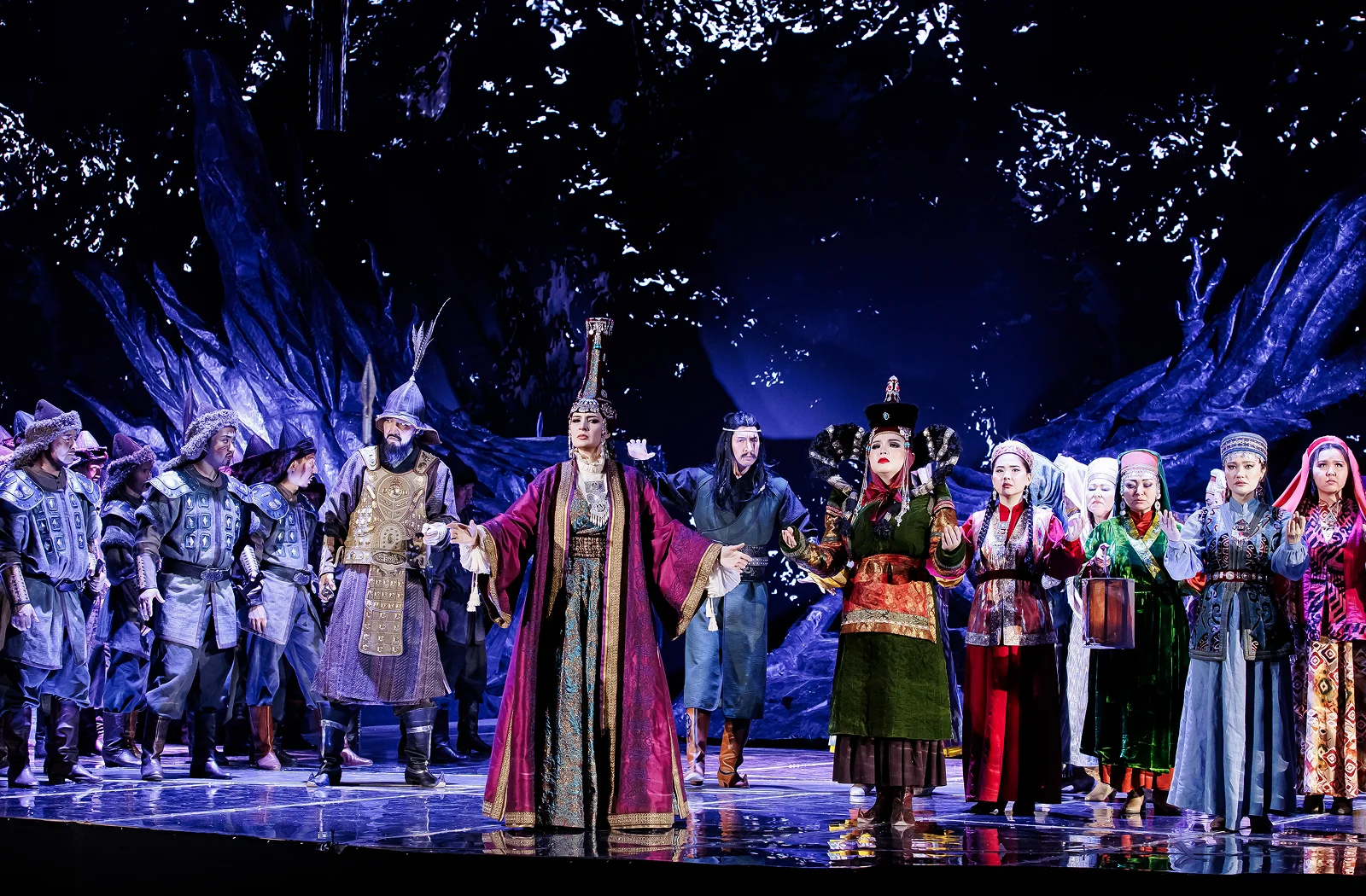
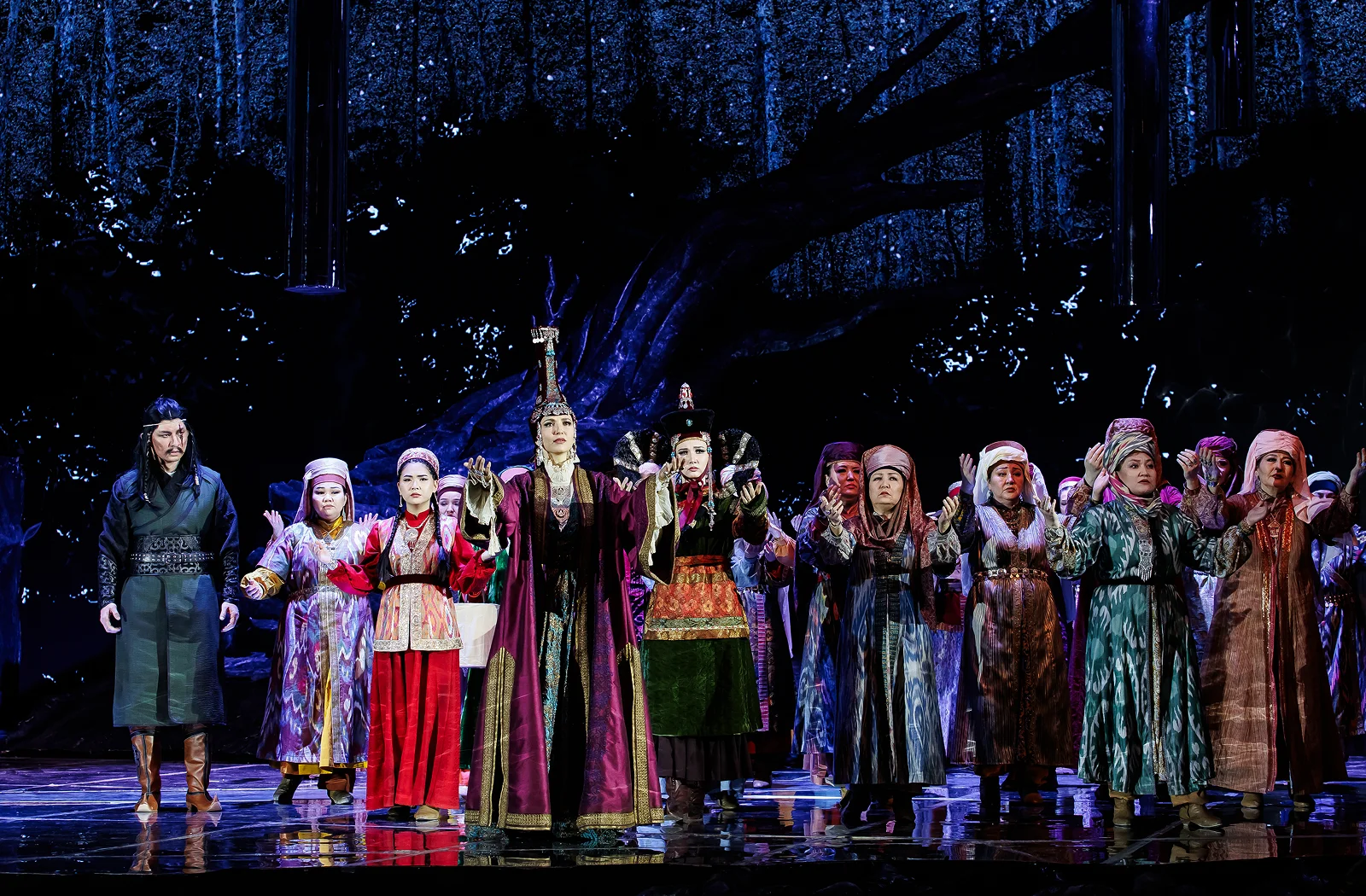
The unknown woman reaches an aul. Children chase her, and people shun her. On the outskirts she meets Taishy and Kaisha, who offer her shelter and care. Soon Jochi and Chagatai arrive. Tension flares between the brothers and grows into open conflict — the cause is the very woman whose origin and fate are bound to the khan’s lineage. Turken Khatun recognizes her granddaughter — Khan Sultan. Borte, weighing the circumstances, decides her future and confirms Khan Sultan’s new status within the family and the ulus.
Scene Four.
Jochi returns from the hunt gravely wounded. Surrounded by his family and warriors, he senses the approach of death, declares his testament, and distributes future power, naming his successors. His passing becomes a tragic turning point: a blow to the stability of the ulus and to Khan Sultan’s fate.
ACT TWO
Scene One.
After Jochi’s death, pressure from relatives intensifies. Chagatai and Ögedei seek to subdue the widow and her household, claiming inheritance and influence. Khan Sultan strives to preserve her independence, relying on law, honor, and the authority of the khagan.
Scene Two.
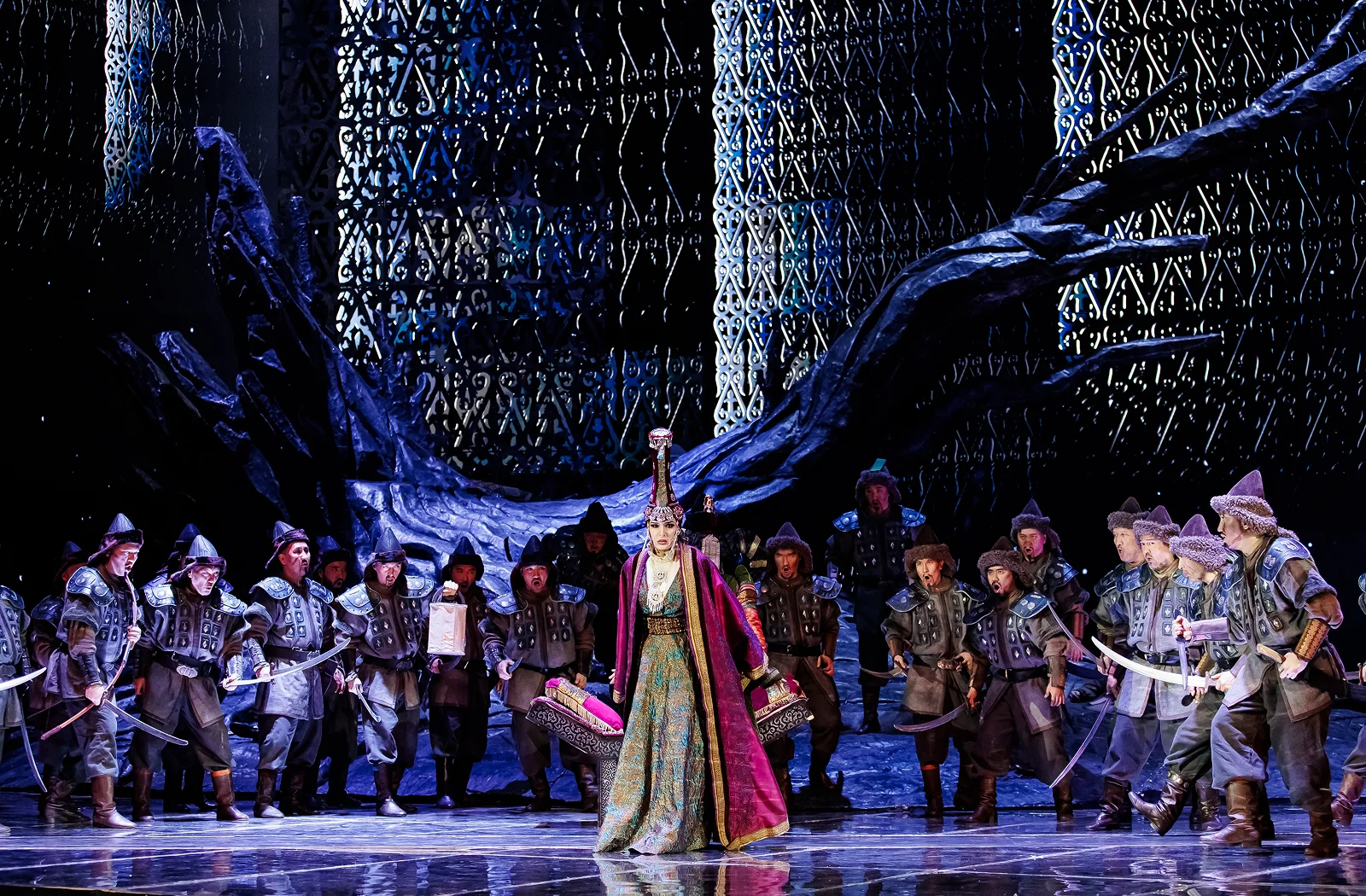
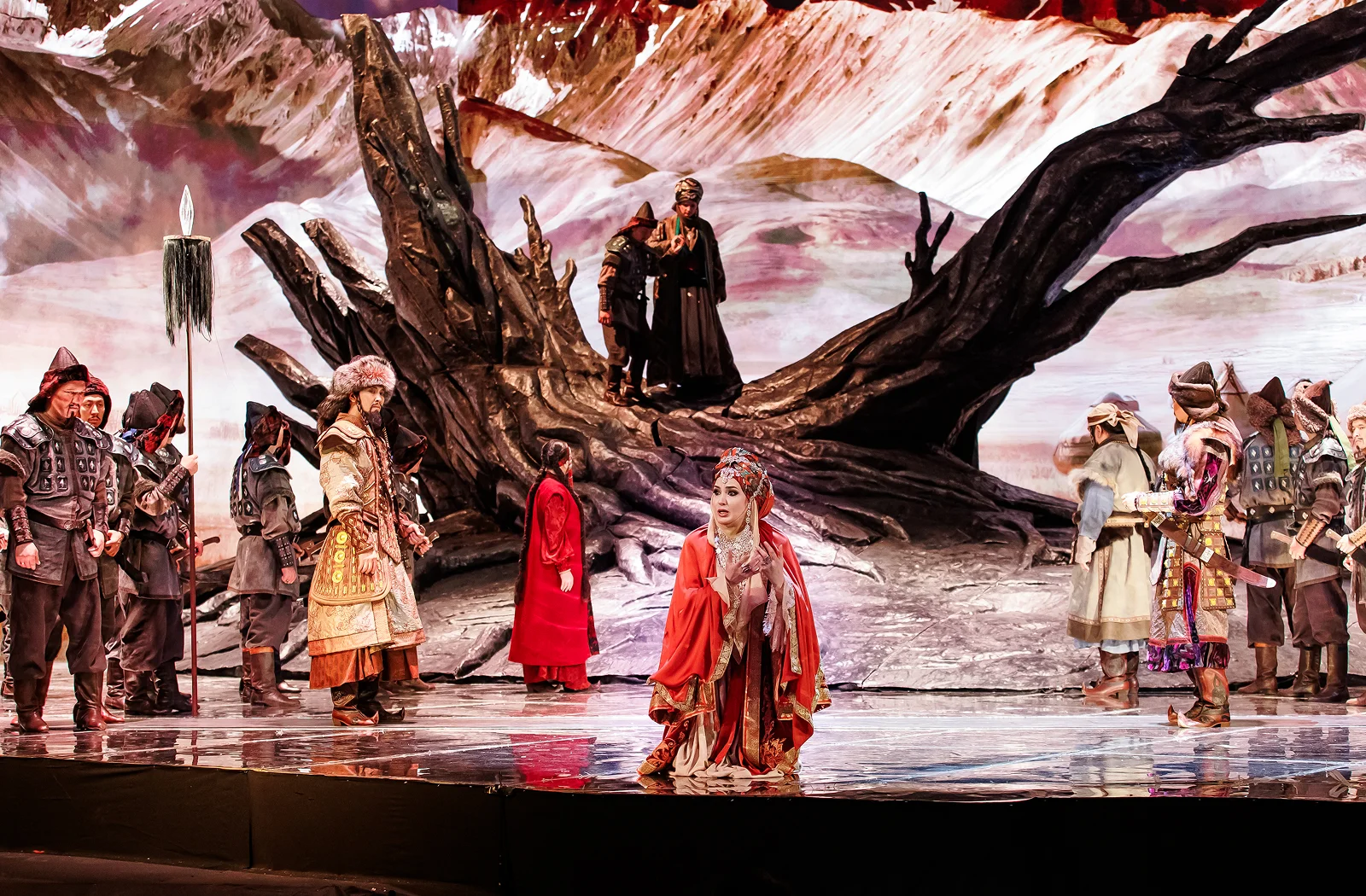
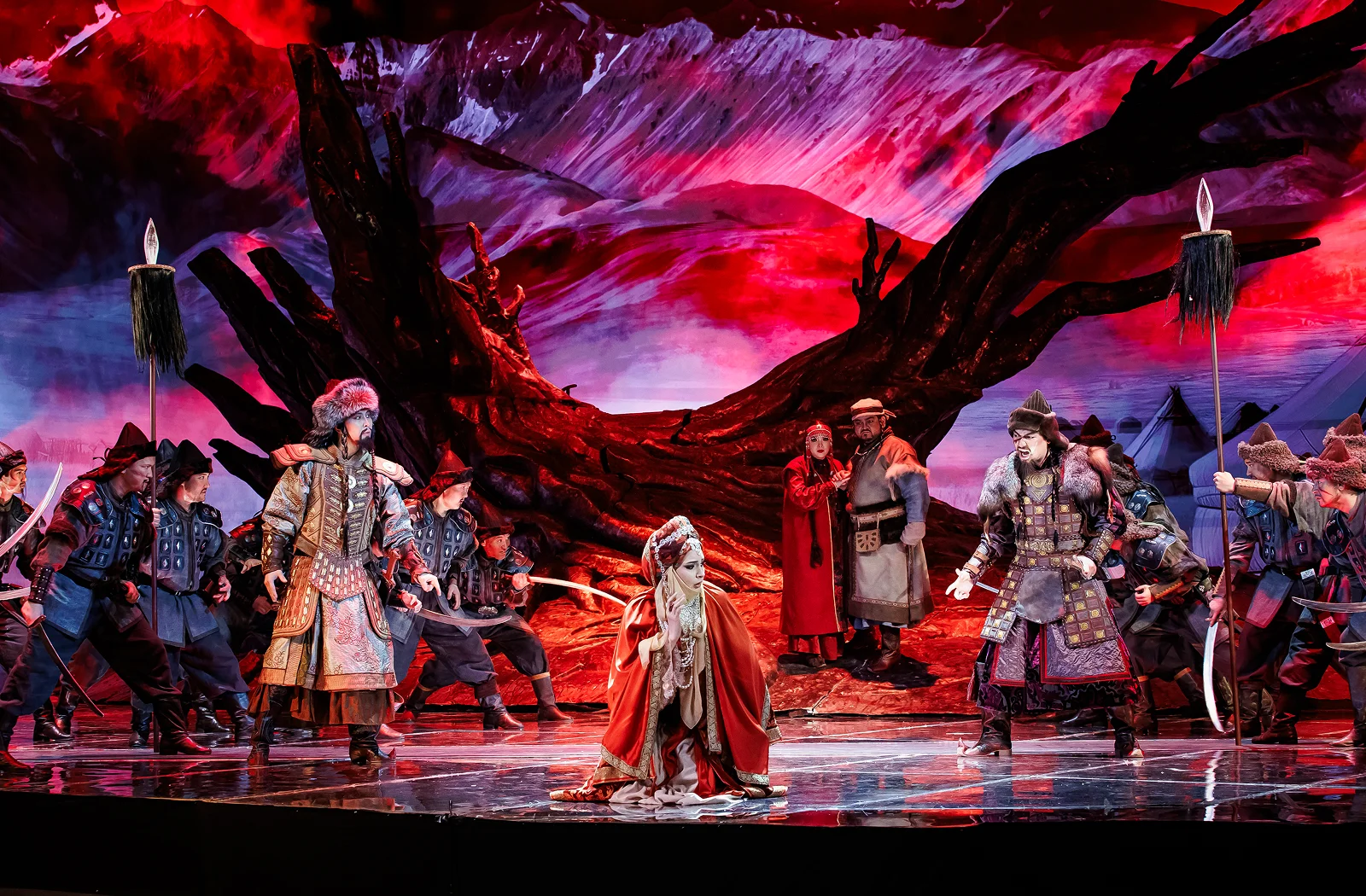
Khan Sultan demands an audience with Genghis Khan, overcoming obstacles and humiliation from the guards and the senior yasaul. Her persistence, despair, and dignity compel the khagan to receive her, punish the guilty, and affirm his protection of Khan Sultan, strengthening her position in the political struggle.
Scene Three.
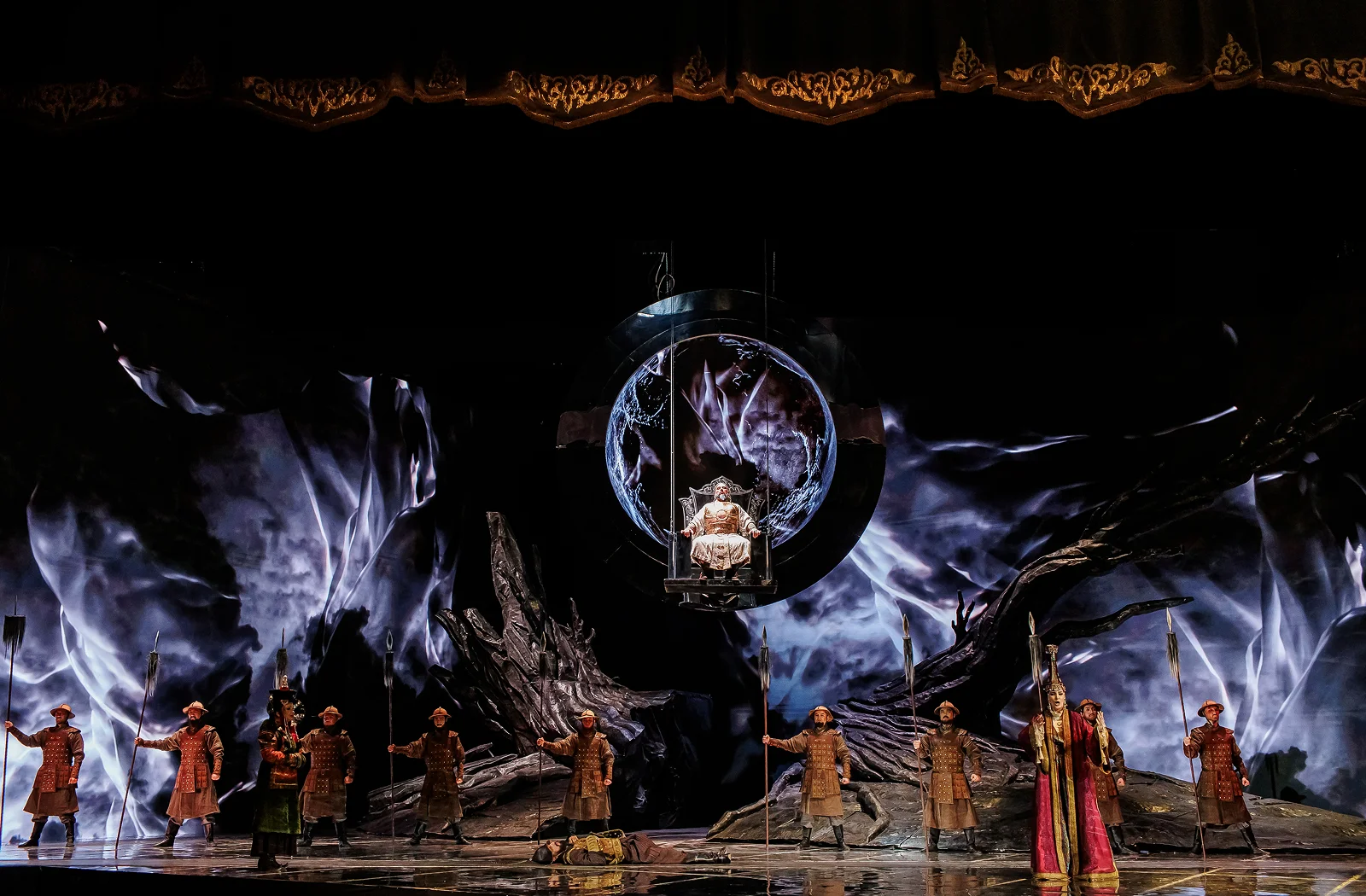
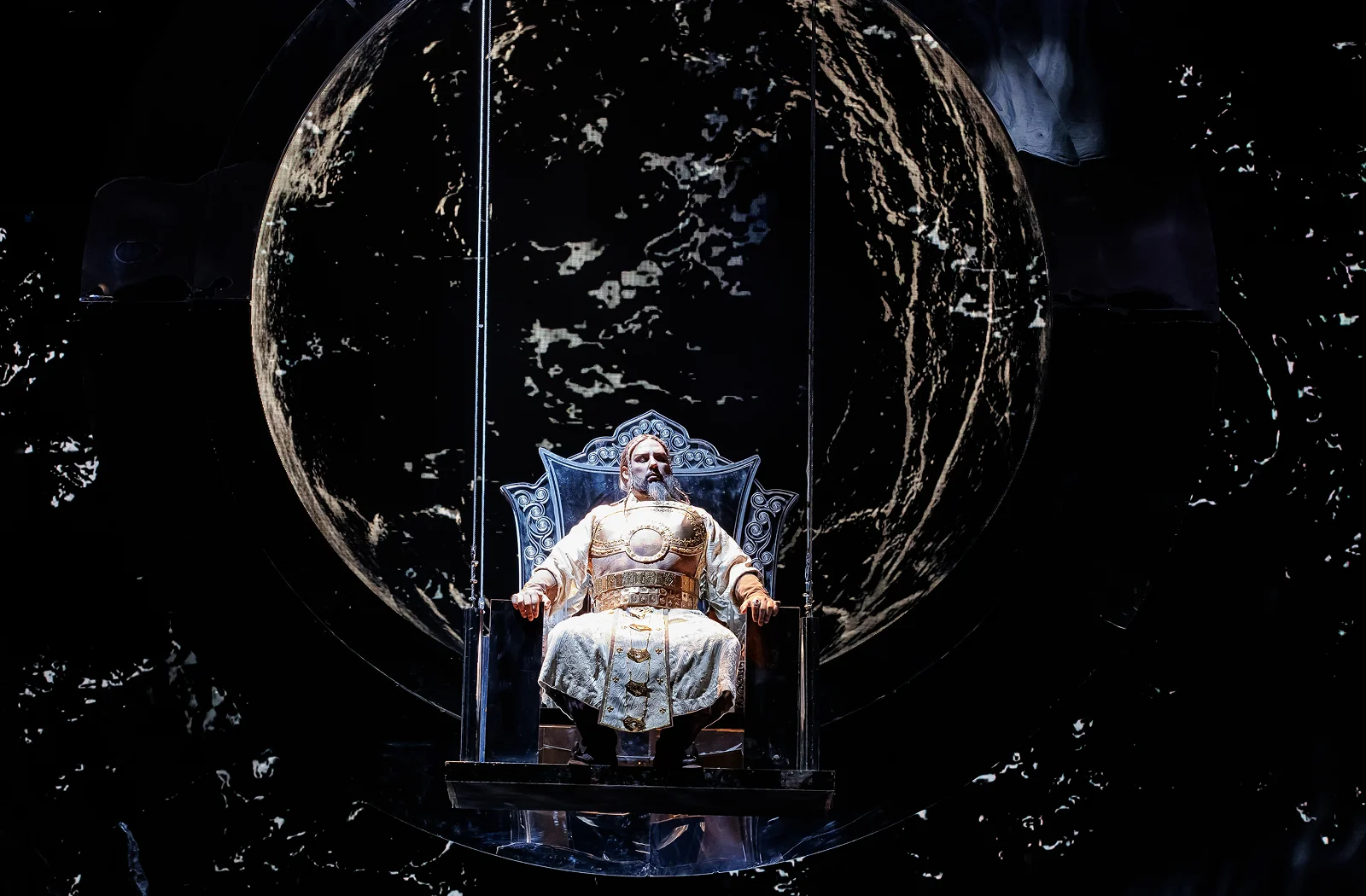
Inside the campaign tent, Genghis Khan listens to Khan Sultan, recognizes the threat, and makes a decision: he sends military support to maintain order until Berke comes of age and to prevent rivals from seizing power.
Scene Four.
At Khan Sultan’s palace in Sygnak, a new order arrives: Berke is to be taken as a hostage to the Great Horde. Realizing the danger, Khan Sultan acts decisively — organizing her son’s secret departure with the help of Taishy and Kunan Noyan, saving the heir from capture.
Scene Five.
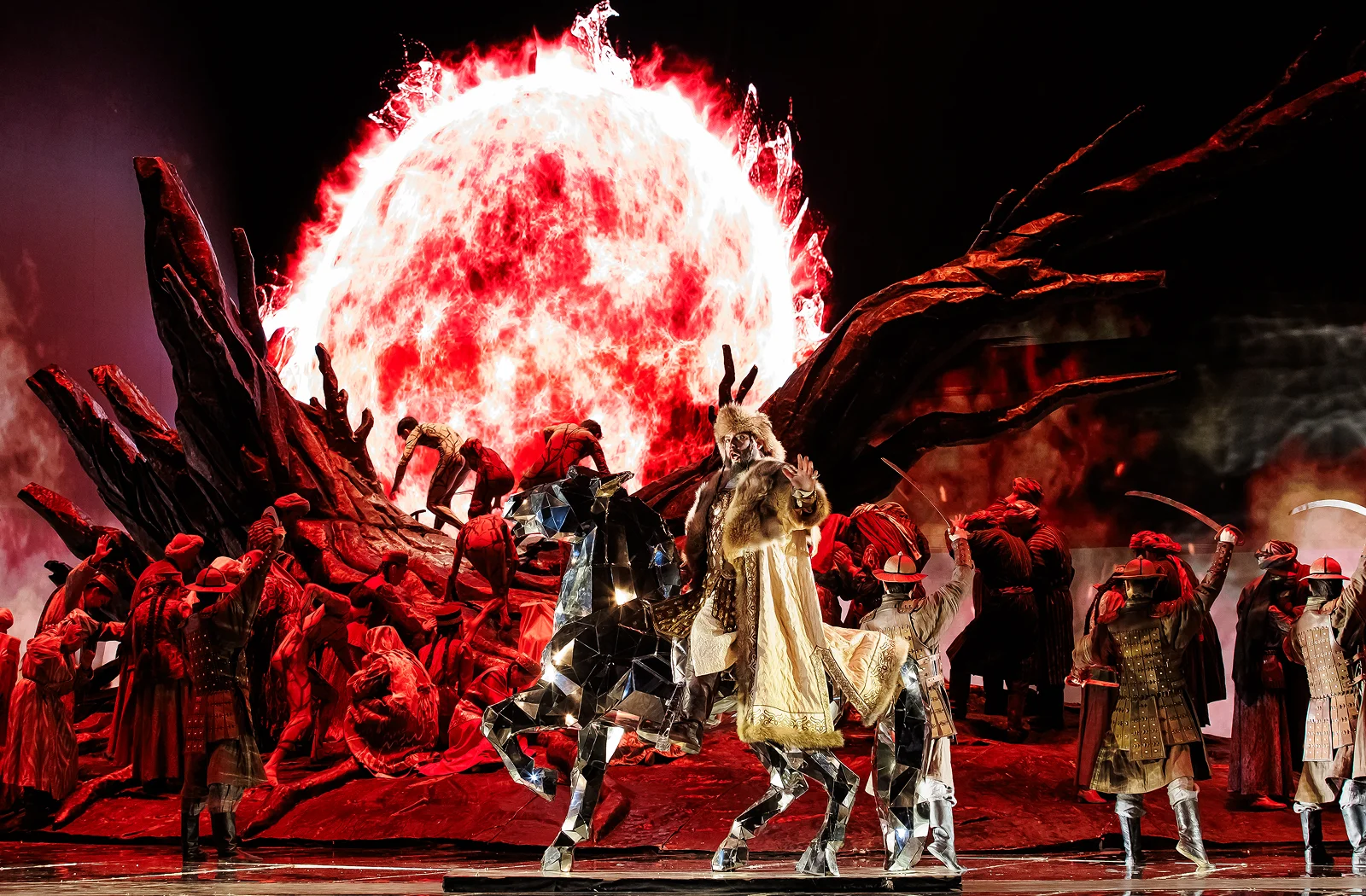
Time passes. The ulus gathers its armies; ancestral battle cries resound. Berke returns as a grown warrior beside Batu. The people see in him strength and hope. Having journeyed from humiliation to authority and responsibility, Khan Sultan remains the spiritual center of the story.
Archived
Khan Sultan was one of the prominent rulers of the Golden Horde, the mother of the great Khan Berke, and the third wife of Jochi Khan. The opera begins with Genghis Khan’s conquest of the Khwarazmian state a major center of Muslim culture and a Turkic political union and concludes with the establishment of the Golden Horde. Khan Sultan became a significant figure in the history of the Golden Horde due to her intelligence, character, and political wisdom, making herself and her sons key figures in the Ulus of Jochi.
Khan Sultan
Opera in Two Acts
opera in 2 acts
Cast
- Khan Sultan – wife of Jochi, 25 years old (soprano)
- Genghis Khan – 60 years old (baritone)
- Jochi – 40 years old (baritone)
- Chagatai – younger brother of Jochi (tenor)
- Turken Khatun – grandmother of Khan Sultan, captive of Genghis Khan (mezzo-soprano)
- Borte – 60 years old (mezzo-soprano)
- Kunan Noyan – representative of the military nobility (bass-baritone)
- Taishy Sheber – master carpenter, 40 years old (tenor)
- Kaisha – wife of Taishy, maidservant of Khan Sultan (soprano)
- Senior Yasaul – military official (tenor)
- Kulan Khatun – second wife of Genghis Khan
- Sarkhan Khatun – wife of Jochi, 30 years old (soprano)
- Bektamish – wife of Jochi, mother of Batu, 35 years old (soprano)
- Batu – 27 years old (baritone)
- Berke – at different stages of life (tenor)
- Berkeshar – younger brother of Berke
- Bori Muhammad – youngest brother of Berke
- Servants, yasauls, warriors, people, personal guards (chorus)
ACT ONE
Scene One. After a brutal battle, the steppe has turned into a field of death. Among the bodies of the fallen appears a barely living woman — exhausted, bloodied, in rags. Her emergence breaks the grim silence and foreshadows the unfolding drama.
Scene Two.
In Genghis Khan’s campaign tent, captive women lament the ruined cities of Central Asia. Turken Khatun, mother of the Khwarazm Shah, mourns the lost past; the yasauls are ready to silence the cries, yet Genghis Khan listens in silence, not interrupting their grief.
Scene Three.
The unknown woman reaches an aul. Children chase her, and people shun her. On the outskirts she meets Taishy and Kaisha, who offer her shelter and care. Soon Jochi and Chagatai arrive. Tension flares between the brothers and grows into open conflict — the cause is the very woman whose origin and fate are bound to the khan’s lineage. Turken Khatun recognizes her granddaughter — Khan Sultan. Borte, weighing the circumstances, decides her future and confirms Khan Sultan’s new status within the family and the ulus.
Scene Four.
Jochi returns from the hunt gravely wounded. Surrounded by his family and warriors, he senses the approach of death, declares his testament, and distributes future power, naming his successors. His passing becomes a tragic turning point: a blow to the stability of the ulus and to Khan Sultan’s fate.
ACT TWO
Scene One.
After Jochi’s death, pressure from relatives intensifies. Chagatai and Ögedei seek to subdue the widow and her household, claiming inheritance and influence. Khan Sultan strives to preserve her independence, relying on law, honor, and the authority of the khagan.
Scene Two.
Khan Sultan demands an audience with Genghis Khan, overcoming obstacles and humiliation from the guards and the senior yasaul. Her persistence, despair, and dignity compel the khagan to receive her, punish the guilty, and affirm his protection of Khan Sultan, strengthening her position in the political struggle.
Scene Three.
Inside the campaign tent, Genghis Khan listens to Khan Sultan, recognizes the threat, and makes a decision: he sends military support to maintain order until Berke comes of age and to prevent rivals from seizing power.
Scene Four.
At Khan Sultan’s palace in Sygnak, a new order arrives: Berke is to be taken as a hostage to the Great Horde. Realizing the danger, Khan Sultan acts decisively — organizing her son’s secret departure with the help of Taishy and Kunan Noyan, saving the heir from capture.
Scene Five.
Time passes. The ulus gathers its armies; ancestral battle cries resound. Berke returns as a grown warrior beside Batu. The people see in him strength and hope. Having journeyed from humiliation to authority and responsibility, Khan Sultan remains the spiritual center of the story.
Cast and Performers
(March 26, 2026, 19:00)
- Genghis Khan Talgat Kuzembayev, People’s Artist of Kazakhstan, Laureate of the State Prize of the Republic of Kazakhstan
- Borte Gulzat Daurbayeva, Honored Worker of the Republic of Kazakhstan
- Zhoshy Khan Maksat Samatov
- Khan Sultan Ayazhan Kuanshaliyeva (First Performance)
- Turken Katyn Oksana Davydenko
- Shagatai Islam Khamzayev
- Kaisha Nargiz Satmukhambetova
- Taishy Sheber Darkhan Zholdybayev
- Sarkhan Katyn Aruzhan Alpysbayeva
- Bektemish Amina Rakhimzhanova
- Berke Farkhat Kubiyev
- Batu Yesengeldy Rza
- Orda Ejen Yerulan Kamel
- Kunan Noyan Bekzat Abitov (First Performance)
- Elder Yasaul Shyngys Nurghaliuly
- Warrior Nurbol Artykbayev (First Performance)
- Warrior Shyngys Nurghaliuly
- Messenger Nurbol Artykbayev (First Performance)
- Courier (from Chagatai) Yerulan Kamel
- Courier (from Ugedei) Zhandarbek Erkinbayev
-
Symphony Orchestra and Chorus of the Kazakh National Opera and Ballet Theatre named after Abay
- Chief Сonductor-director Nurzhan Baibosynov, Honored Worker of the Republic of Kazakhstan
- Stage Director Davide Livermore, (Italy)
- Co-Director Carlo Sciaccaluga, (Italy)
- Lighting Designer Gaetano La Mela, (Italy)
- Chief Choirmaster Aliya Temirbekova, Honored Worker of the Republic of Kazakhstan
- Balletmaster Asem Aldibekova
- Main Costume Designer Ainur Yerimbetova
- Artistic Director of the Opera Troupe Bolat Bukenov, Honored Worker of the Republic of Kazakhstan
- Artistic Director of the Ballet Troupe Gulzhan Tutkibayeva, People’s Artist of the Republic of Kazakhstan
Gallery
Gallery