Opera
Les pêcheurs de perles March 15, 2026, 18:00
Description
Archived
The exotic allure of ancient Ceylon, a fateful love, and a sacrifice made in the name of friendship — Georges Bizet’s opera The Pearl Fishers draws the audience into a world of deep passions, where every aria resounds like a confession of the soul.
J. Bizet
The Pearl Fishers
Opera in Two Acts
Libretto by M. Carré and E. Cormon
Cast and Performers
- Zurga
- Nadir
- Léïla
- Nourabad
Act One
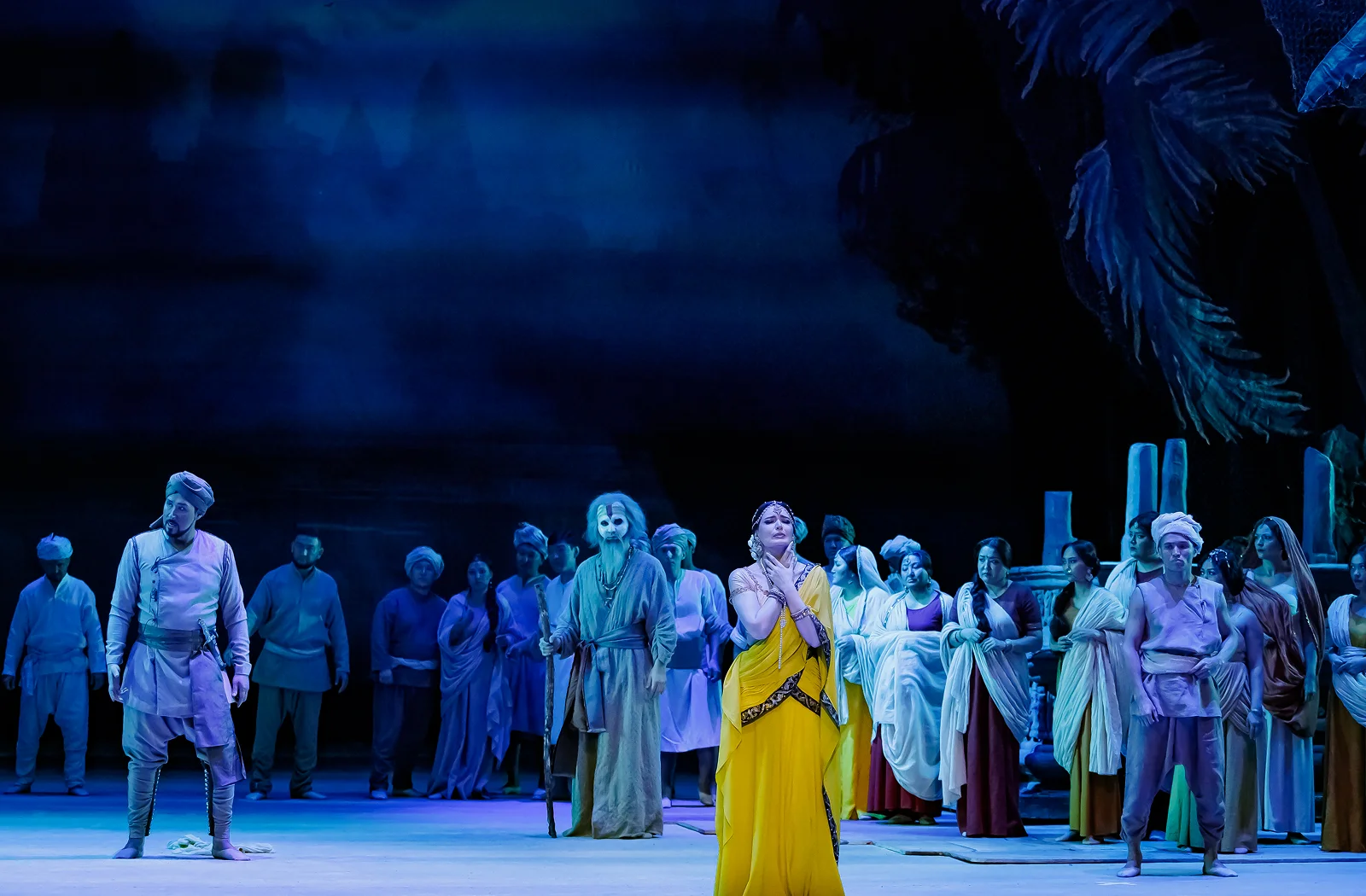
While the pearl fishers are resting at the end of the day on a beach in Ceylon (now Sri Lanka), Zurga is proclaimed king. Nadir arrives, a friend who has long been away from the village. The two recall their youth and the beautiful woman they once both loved, renouncing their feelings for the sake of their friendship. A boat soon lands, bringing the priestess Léïla, chosen to perform the annual ritual meant to bless the pearl harvest and ward off evil spirits. Unrecognized by the men, she vows under penalty of death to dedicate her life to prayer, solitude, and chastity. Nadir, however, recognizes her and confesses that he has followed her, unable to forget his love. As Léïla prays, Nadir approaches and declares his devotion.
Act Two
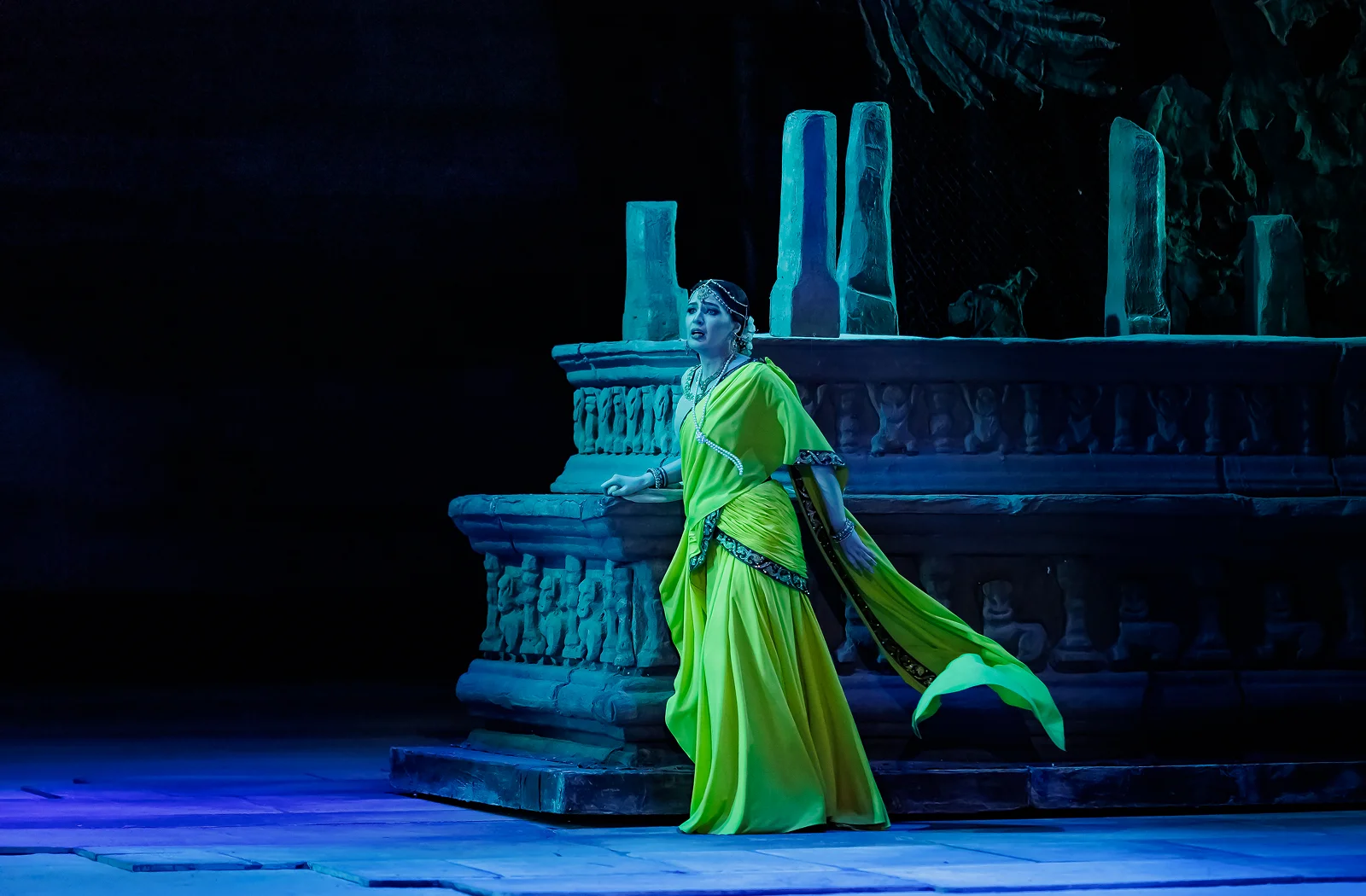
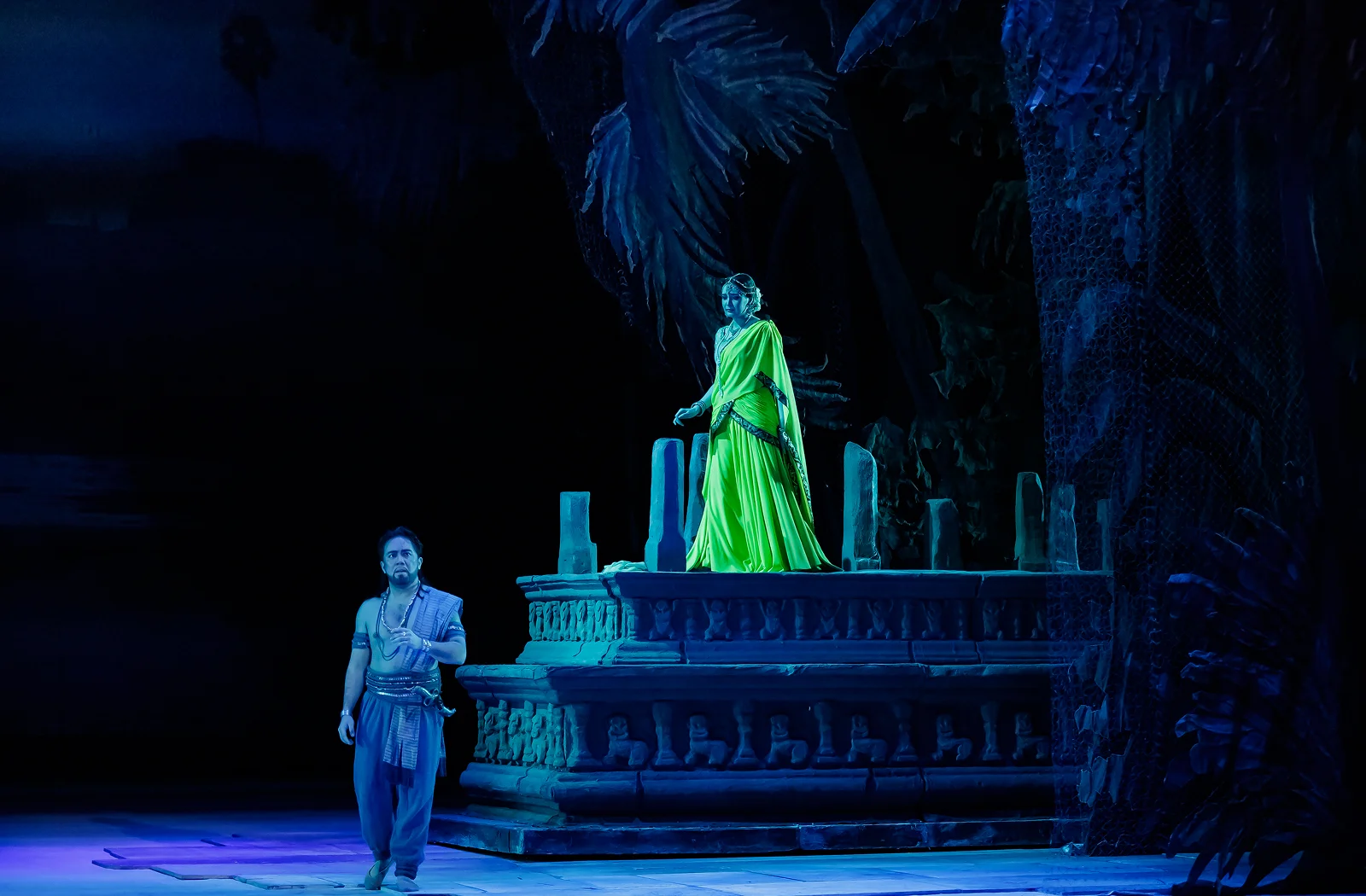
During a night of prayer, Léïla recounts to the high priest Nourabad how, in her youth, she saved the life of a stranger. In gratitude, he gave her a necklace, which she has kept ever since. Left alone, she is joined by Nadir, but they are discovered by Nourabad and arrested. Zurga prevents the crowd from killing them immediately, yet when he lifts Léïla’s veil and recognizes her, jealousy overwhelms him. In a sudden outburst, he condemns both to death.
Act Three
Alone, Zurga is tormented by remorse for sentencing his friend to die. Léïla enters his tent, pleading for Nadir’s life, which only rekindles Zurga’s jealousy. As she is led to execution with Nadir, she entrusts her necklace to a fisherman. Upon seeing it, Zurga realizes that Léïla is the woman who once saved his life.
While the fishermen celebrate and prepare for the execution, Zurga announces that the village is engulfed in flames. As the villagers rush to extinguish the fire, he frees the prisoners, confessing that he set the blaze himself out of gratitude to Léïla. The lovers escape, and Zurga takes his own life rather than face Nourabad’s judgment.
Archived
The exotic allure of ancient Ceylon, a fateful love, and a sacrifice made in the name of friendship — Georges Bizet’s opera The Pearl Fishers draws the audience into a world of deep passions, where every aria resounds like a confession of the soul.
J. Bizet
The Pearl Fishers
Opera in Two Acts
Libretto by M. Carré and E. Cormon
Cast and Performers
- Zurga
- Nadir
- Léïla
- Nourabad
Act One
While the pearl fishers are resting at the end of the day on a beach in Ceylon (now Sri Lanka), Zurga is proclaimed king. Nadir arrives, a friend who has long been away from the village. The two recall their youth and the beautiful woman they once both loved, renouncing their feelings for the sake of their friendship. A boat soon lands, bringing the priestess Léïla, chosen to perform the annual ritual meant to bless the pearl harvest and ward off evil spirits. Unrecognized by the men, she vows under penalty of death to dedicate her life to prayer, solitude, and chastity. Nadir, however, recognizes her and confesses that he has followed her, unable to forget his love. As Léïla prays, Nadir approaches and declares his devotion.
Act Two
During a night of prayer, Léïla recounts to the high priest Nourabad how, in her youth, she saved the life of a stranger. In gratitude, he gave her a necklace, which she has kept ever since. Left alone, she is joined by Nadir, but they are discovered by Nourabad and arrested. Zurga prevents the crowd from killing them immediately, yet when he lifts Léïla’s veil and recognizes her, jealousy overwhelms him. In a sudden outburst, he condemns both to death.
Act Three
Alone, Zurga is tormented by remorse for sentencing his friend to die. Léïla enters his tent, pleading for Nadir’s life, which only rekindles Zurga’s jealousy. As she is led to execution with Nadir, she entrusts her necklace to a fisherman. Upon seeing it, Zurga realizes that Léïla is the woman who once saved his life.
While the fishermen celebrate and prepare for the execution, Zurga announces that the village is engulfed in flames. As the villagers rush to extinguish the fire, he frees the prisoners, confessing that he set the blaze himself out of gratitude to Léïla. The lovers escape, and Zurga takes his own life rather than face Nourabad’s judgment.
Cast and Performers
(March 15, 2026, 18:00)
- Nadir, hunter Damir Saduakhasov
- Zurga, fisherman Emil Sakavov
- Leila, priestess of Brahma Zarina Altynbayeva, Honored Worker of the Republic of Kazakhstan
- Nurabad, High Priest of Brahma Serikkali Aukhatov
-
Symphony Orchestra, Chorus and Ballet of the Kazakh National Opera and Ballet Theatre named after Abay
- Conductor Renat Salavatov, , Honored Artist of Russia, Honored Artist of the Republic of Kazakhstan, People’s Artist of Tatarstan
- Stage Conductor Yerbolat Akhmedyarov, Honored Worker of the Republic of Kazakhstan
- Stage Director Paolo Bosisio (Italy)
- Production Designer Hella Mombrini (Italy)
- Costume Designer Anita Lamanna (Italy)
- Chief Chorus Master Aliya Temirbekova, Honored Worker of the Republic of Kazakhstan
- Choreographer Ainur Abilgazina
- Artistic Director of the Ballet Troupe Gulzhan Tutkibabayeva, People’s Artist of the Republic of Kazakhstan
Gallery
Gallery