Ballet
Red Giselle March 29, 2026, 18:00
Description
Archived
When great art collides with the cruelty of history, tragedy is born: Boris Eifman’s ballet Red Giselle, set to the music of Tchaikovsky, Schnittke, and Bizet, is a haunting story about the price of genius and the loneliness of a world that has lost itself.
Boris Eifman
Red Giselle
Ballet set to the music of P. Tchaikovsky, A. Schnittke and G. Bizet
Ballet in two acts
At the Abay Opera House, the premiere took place on 20.10.2010
Production team:
Choreographer — Boris Eifman, People’s Artist of Russia, State Prize Laureate (Saint Petersburg)
Set Designer — Martins Vilkārsis (Riga)
Costume Designer — Vyacheslav Okunev, People’s Artist of Russia, State Prize Laureate (Saint Petersburg)
Lighting Designer — Igor Kapustin (Tallinn)
Assistant Choreographers — Alina Solonskaya (Saint Petersburg), Sergei Zimin (Saint Petersburg)
Cast
- Ballerina
- Cheka Officer
- Teacher
- Partner
- Friend
- Women’s lesson, French lesson, revelry, Cheka officers, wilis, triumph, peasants, Charleston, suite — ballet artists of the theatre
“Our performance is dedicated to Olga Spessivtseva, one of the greatest ballerinas of the twentieth century. I was deeply moved when I learned the details of her life: a unique actress, celebrated by fame, worshipped by admirers and critics alike, she spent twenty years in a psychiatric clinic near New York, utterly alone and deprived of her rights. The tragic emotions I experienced became the impulse for creating this ballet. It is not an illustration of Spessivtseva’s biography, but an attempt to generalize her destiny and the fate of many talented individuals who were forced to leave Russia and endure a tragic exile.
Spessivtseva was a genius Giselle. She immersed herself so deeply in the inner world of her heroine that she no longer had the strength to return to real life — Giselle’s destiny became her own. Being a prima ballerina, she was drawn into the bloody events of revolutionary Petrograd. That red mark, like a sign of fate, pursued and tormented her. Emigration brought not only creative and personal disappointments, but filled her life with further tragedies, ultimately leading to catastrophe.
In creating this performance, we wished the ballet theatre to pay tribute to the memory of Olga Spessivtseva — a great ballerina with a tragic destiny.”
Boris Eifman
Act One
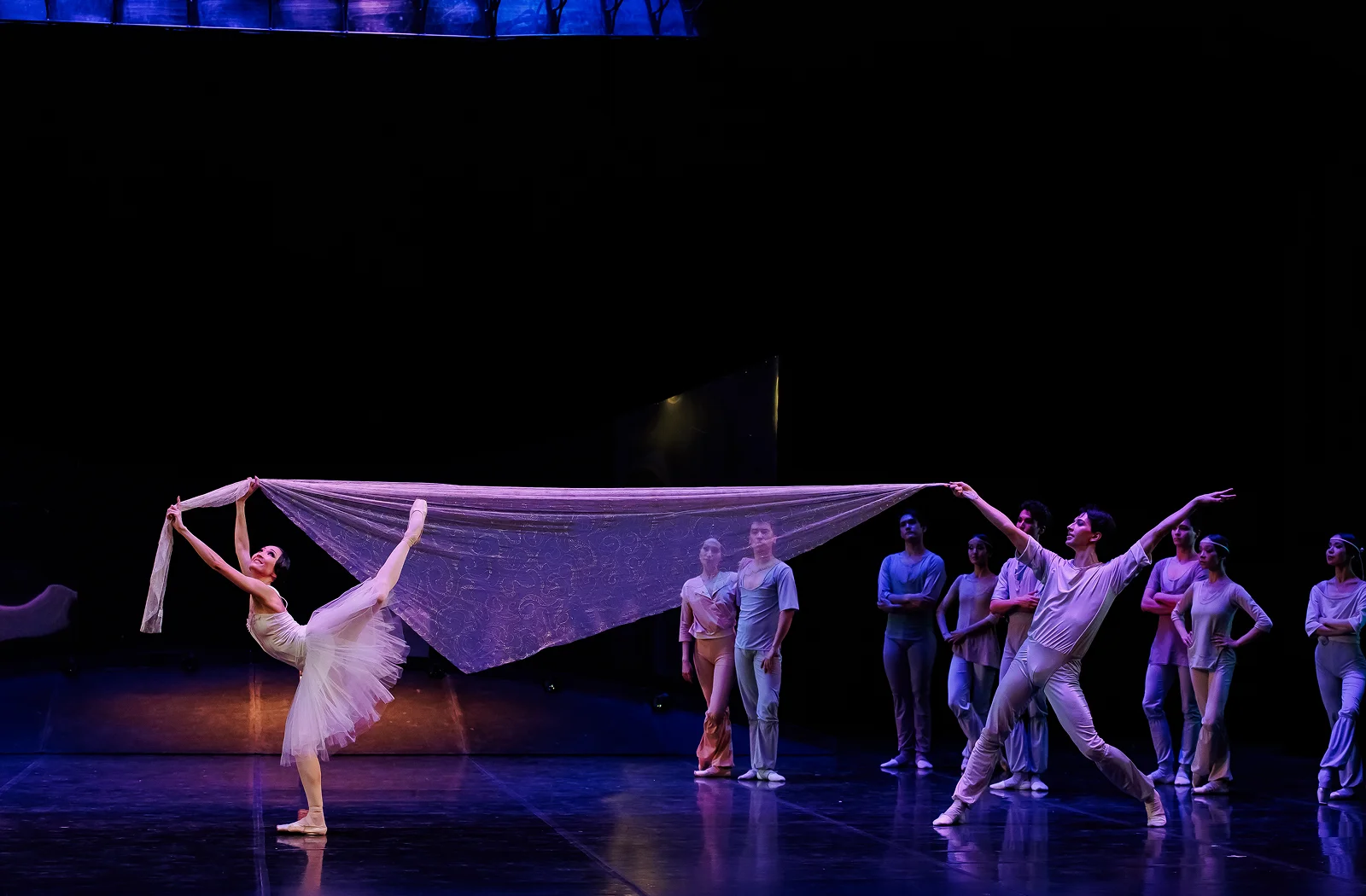
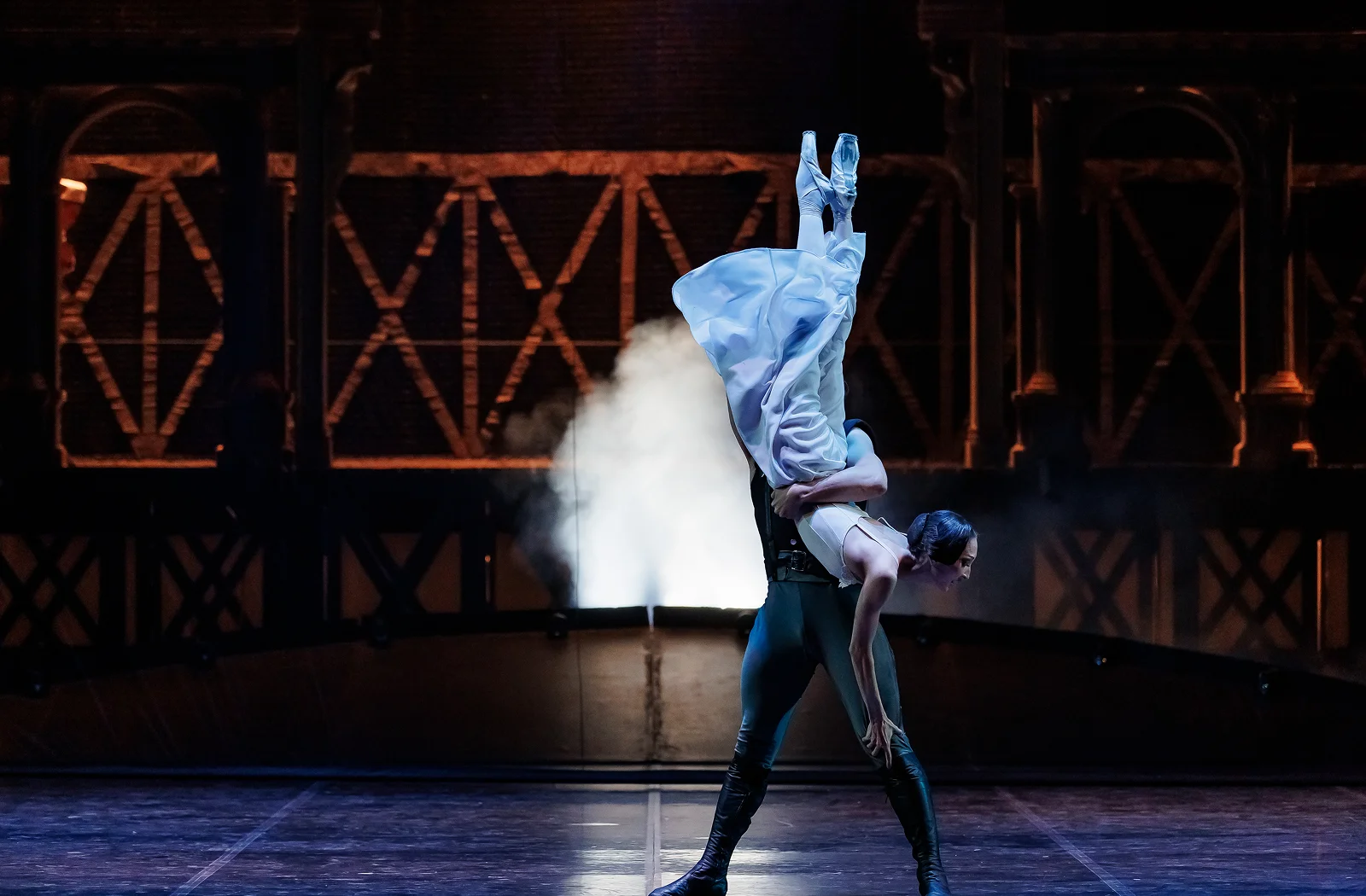
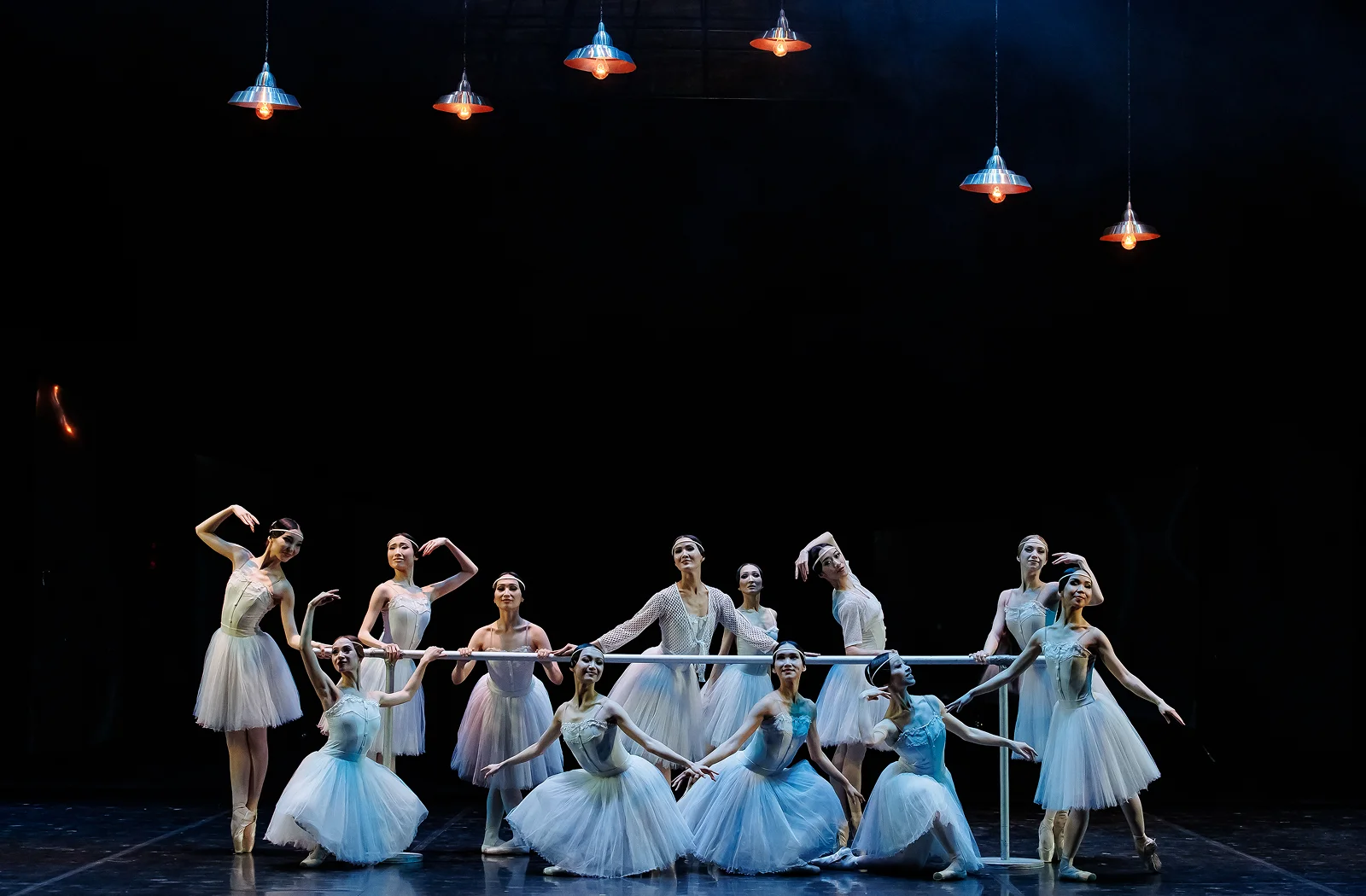
Revolutionary Petrograd. A classical dance lesson is underway in the ballet studio of the former Imperial Theatre. The strict and exacting Teacher singles out one dancer whose perfect technique and enigmatic presence embody his ideal of beauty.
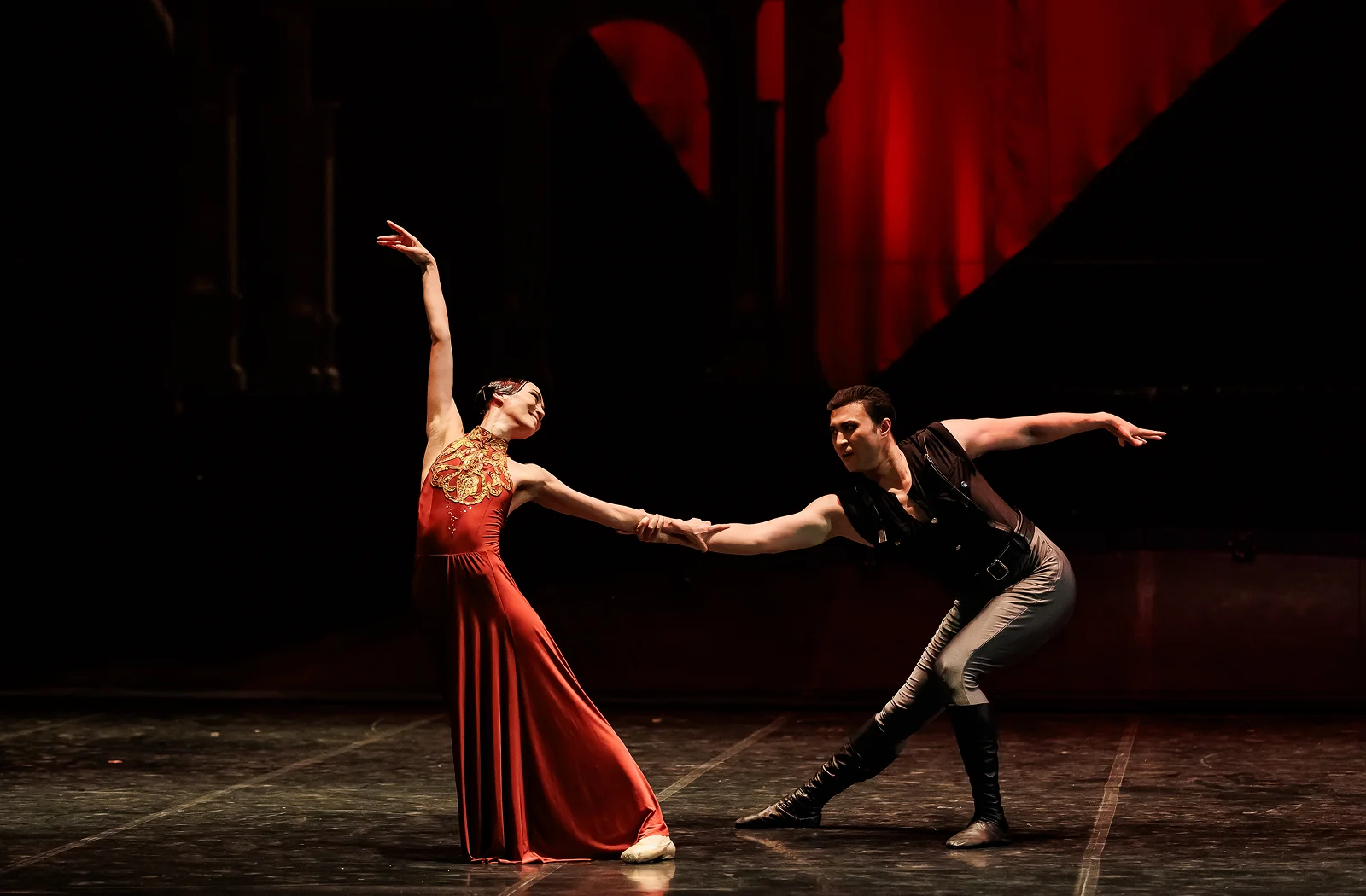
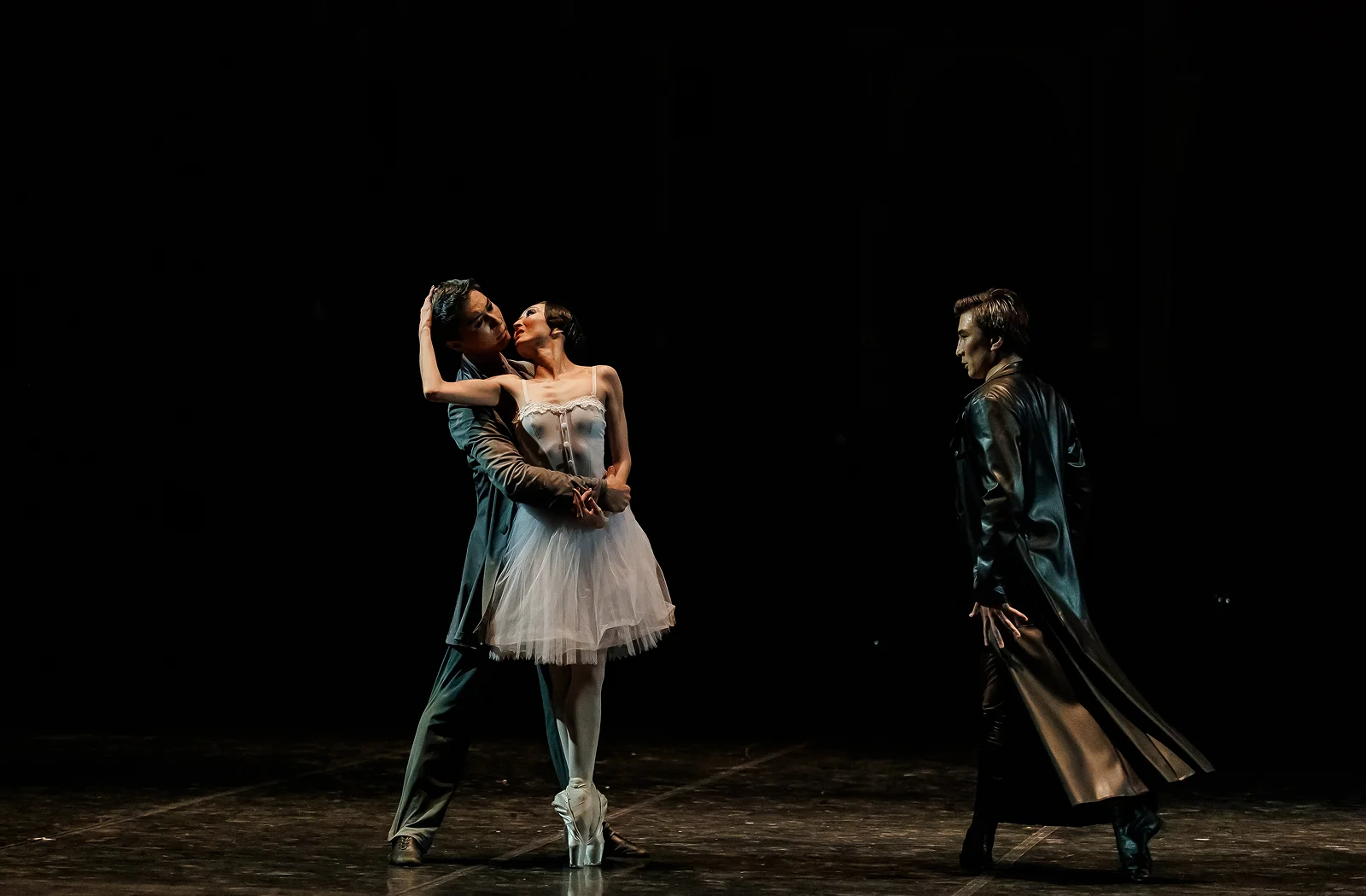
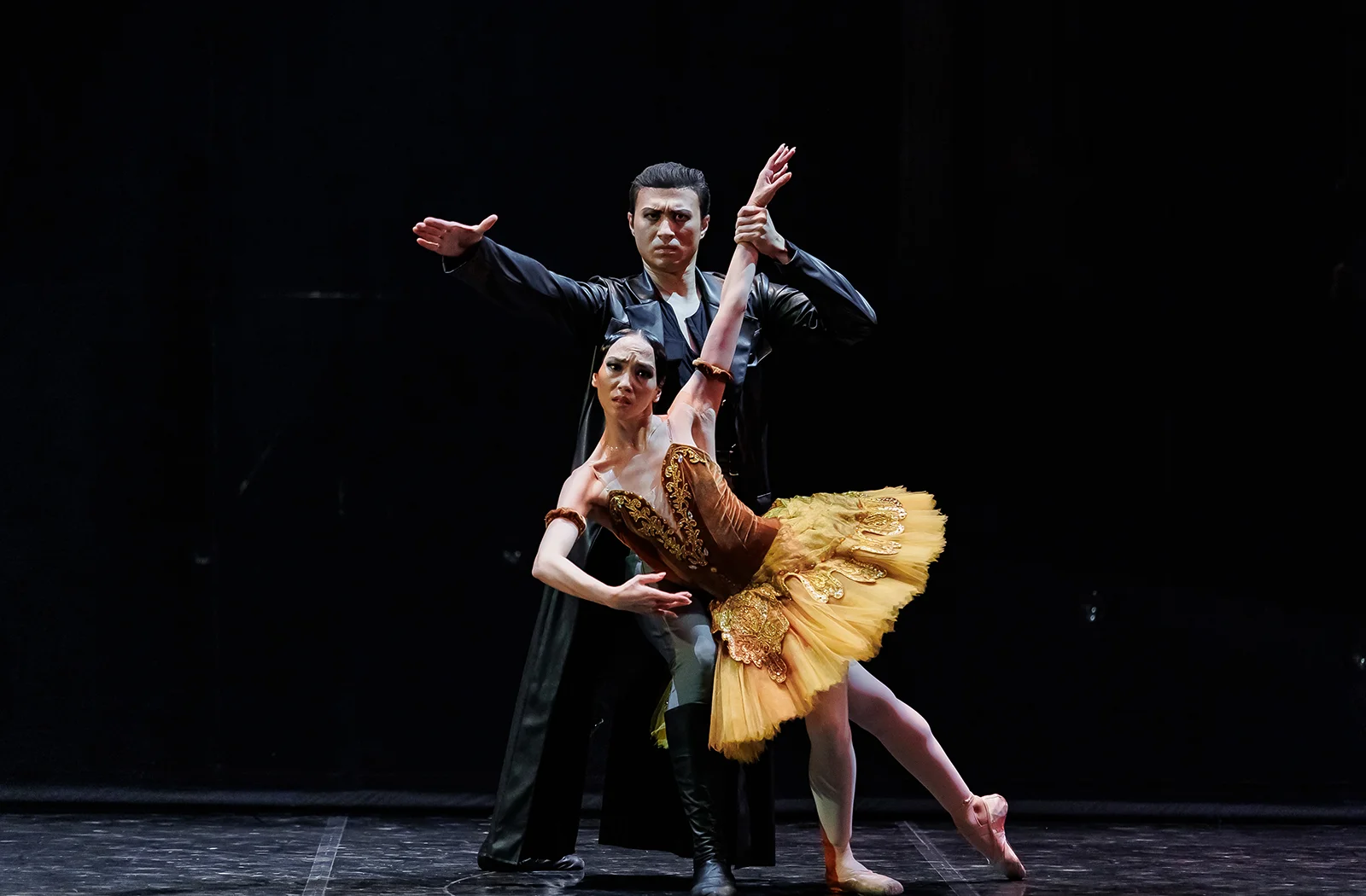
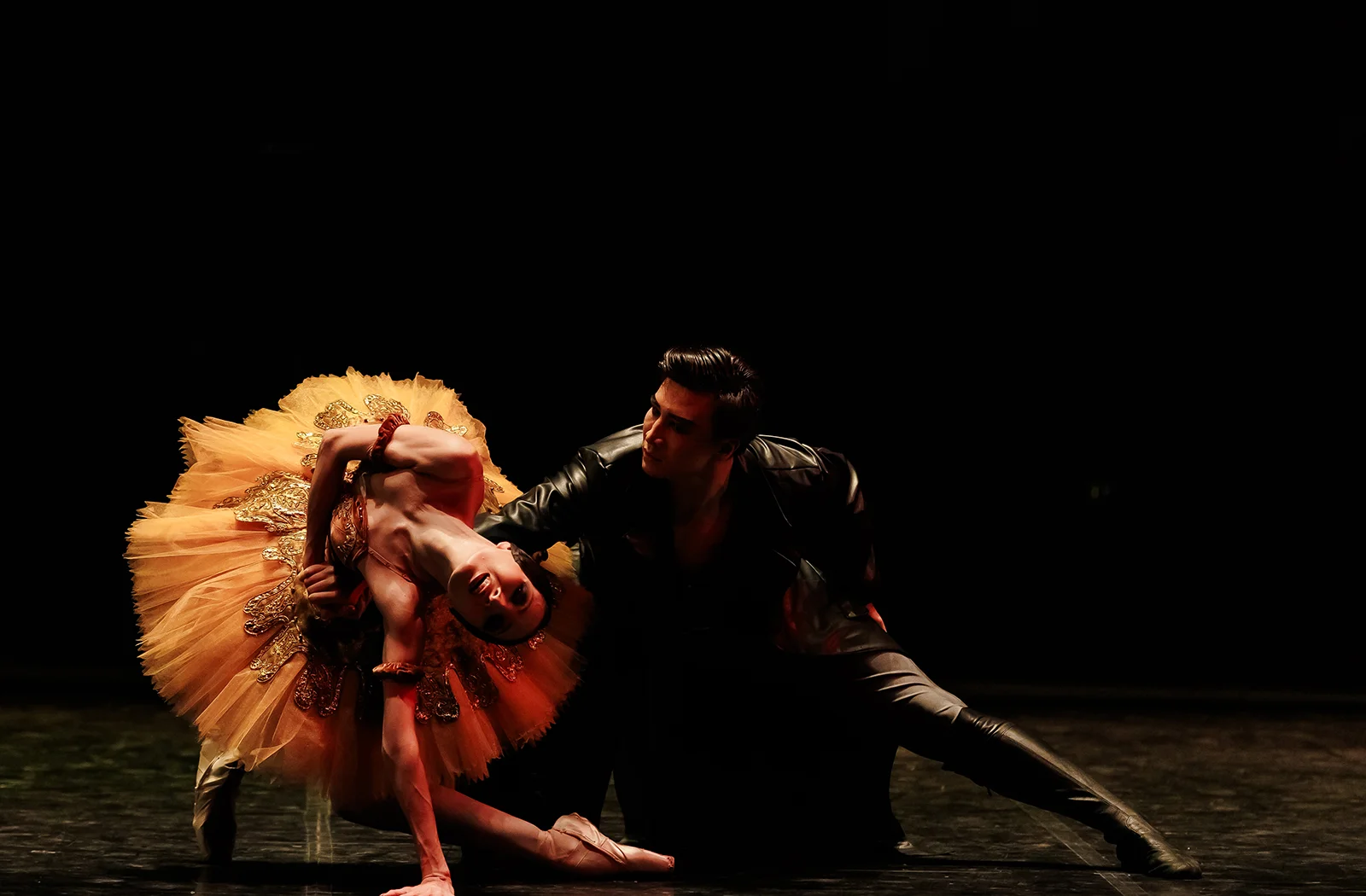
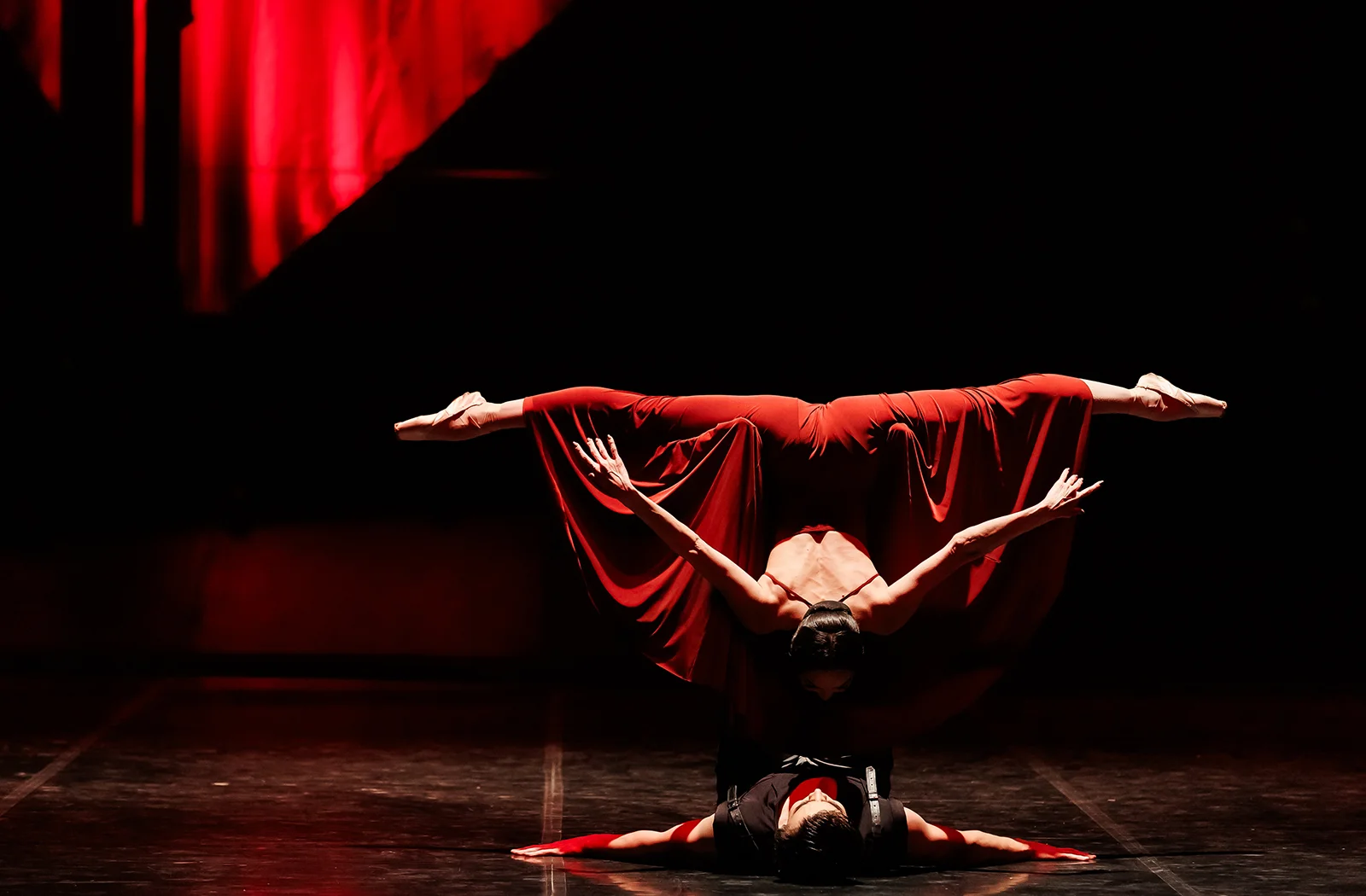
The gilded auditorium sparkles. The Ballerina’s performance arouses universal admiration. Among her admirers is a representative of the new власть — a Cheka Officer. It is not only her art that attracts him. His coarse insistence and forceful embraces suppress her will.
The Cheka Officer draws the Ballerina into his unfamiliar world, where the wild revelry of the revolutionary crowd turns into a frenzied celebration of destruction. For a moment, she herself reigns over this chaos, forgetting the Teacher’s precepts. Yet the spiritual values instilled by him prove stronger than the intoxication of devastation. The Ballerina returns to the studio, to her Teacher.
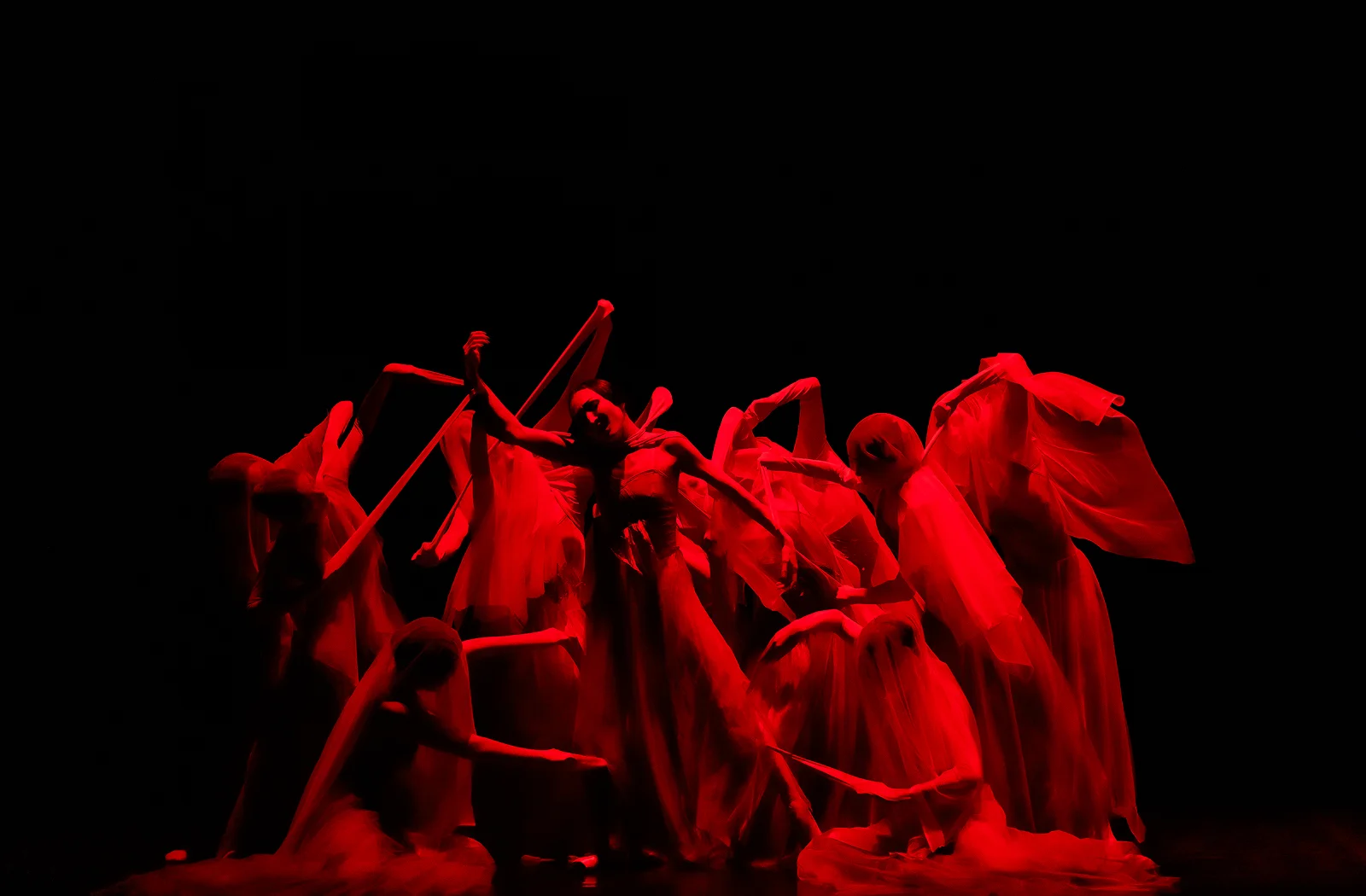
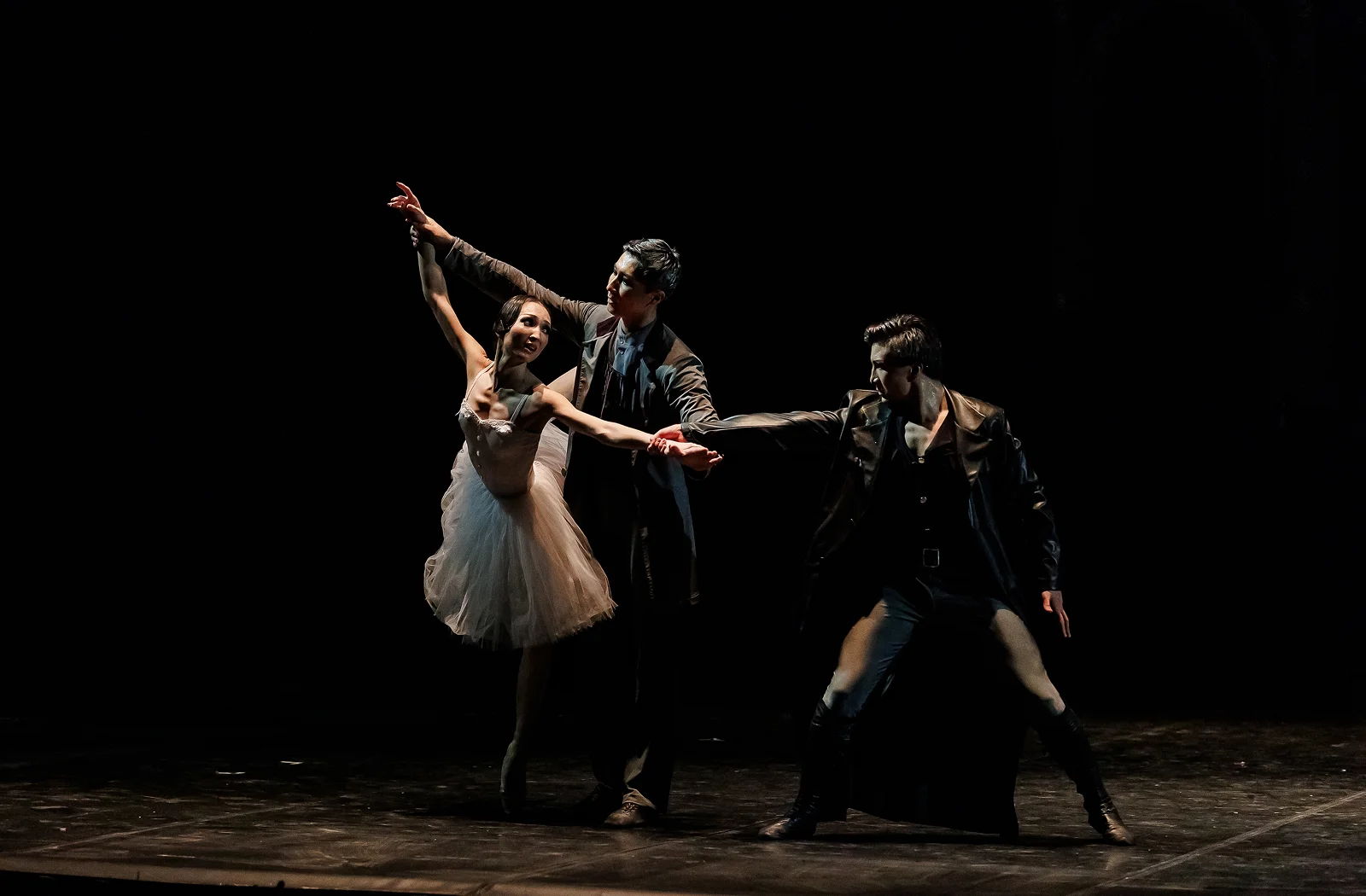
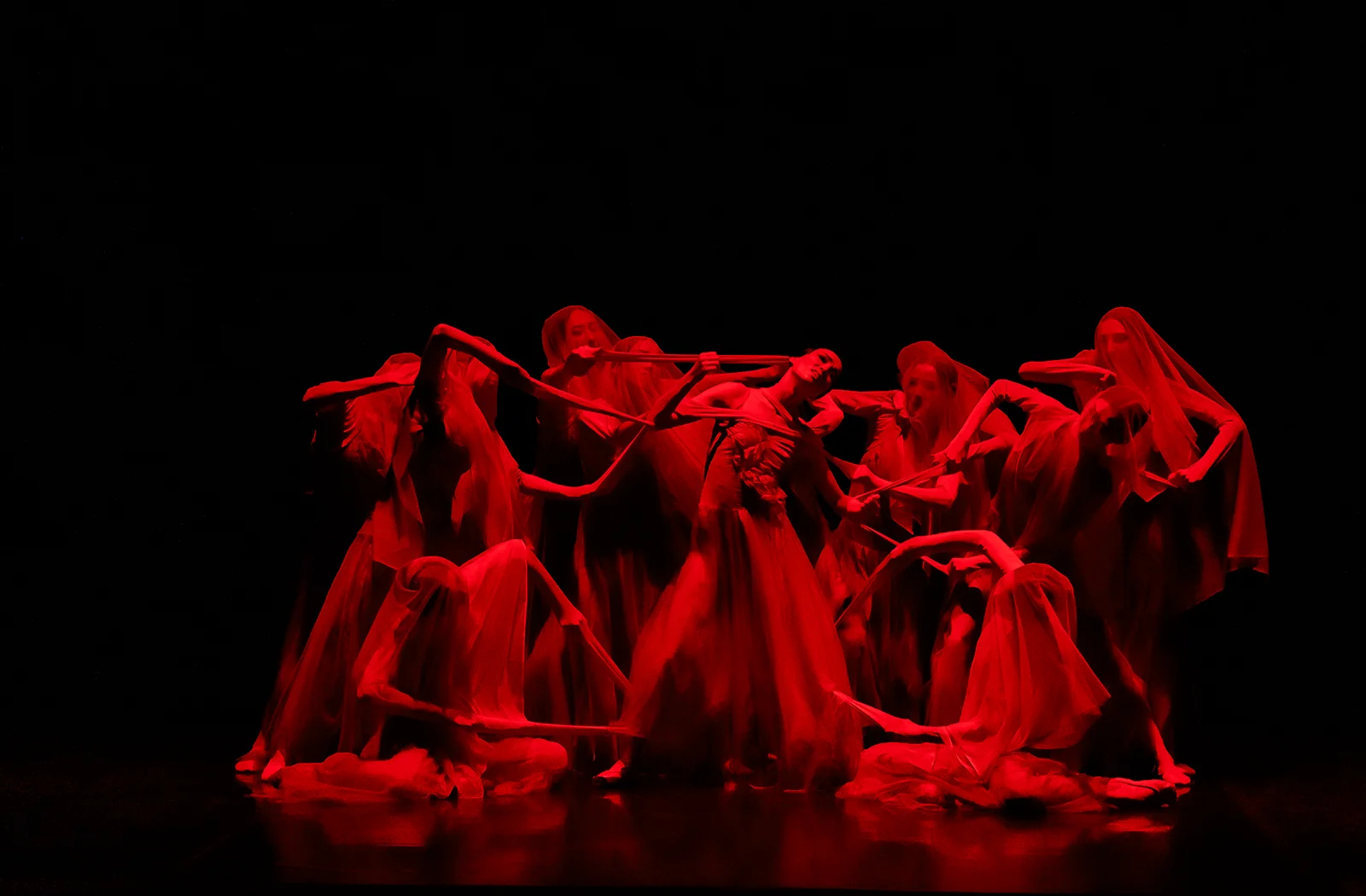
Within the theatre walls, the new authority — harsh and aggressive — asserts its dominance. The White Ballerinas must become obedient instruments of the Red idea. The Teacher is in despair. The events are unbearable, yet he is powerless to change them.
A complex relationship binds the Ballerina and the Cheka Officer — attraction and rejection, passion and misunderstanding intertwined.
The Cheka Officer allows the Ballerina to join the emigrants who are leaving Russia forever.
Act Two
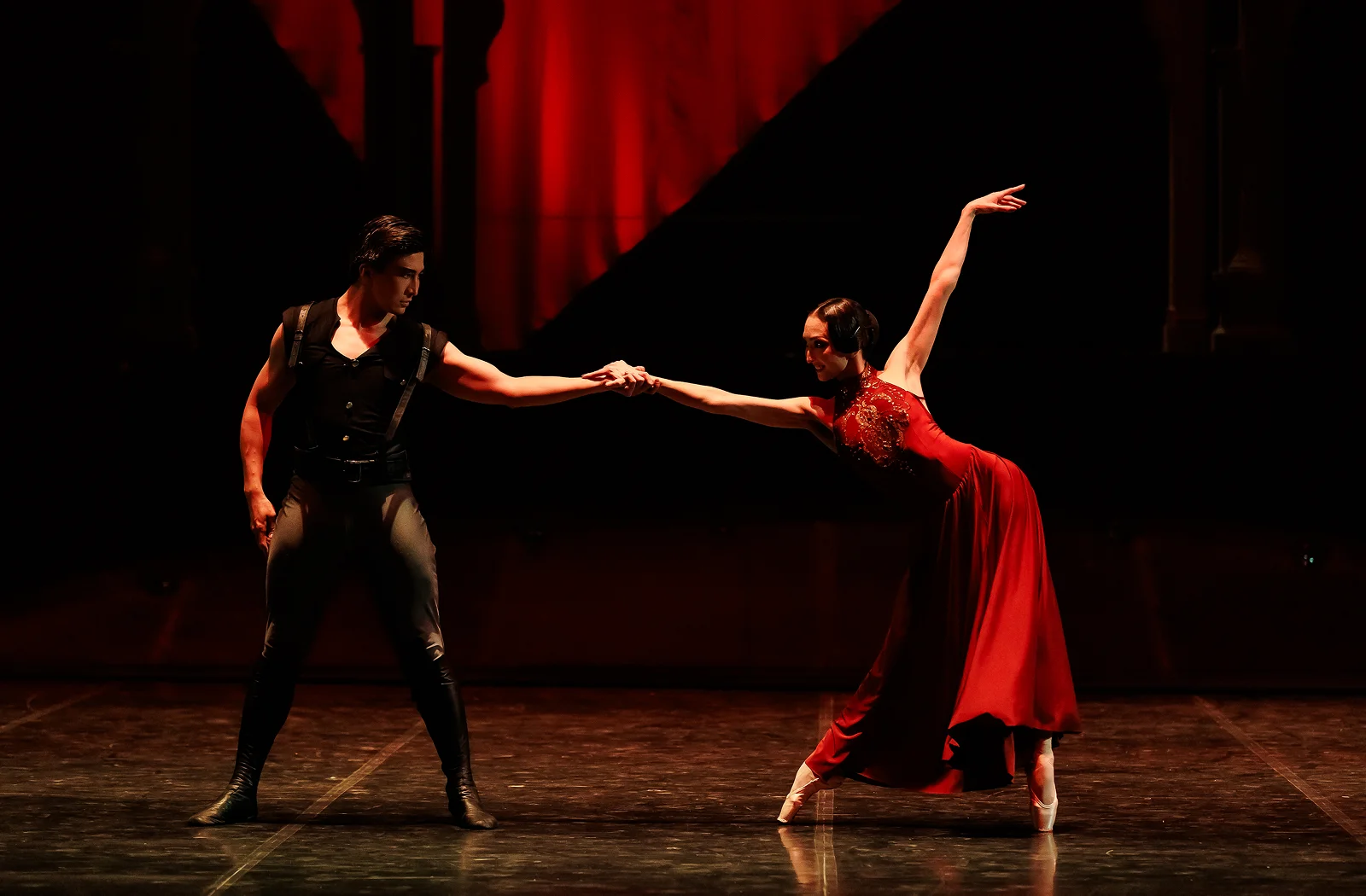
The ballet studio of the Paris Grand Opera. A renowned dancer and choreographer leads a rehearsal. The movement vocabulary he proposes is unfamiliar to the Ballerina, yet his inspired artistry captivates her. The dancer becomes her Partner, and together they achieve triumphant success.
The feeling that awakens in her heart is not returned. Unrequited love and loneliness in a foreign world intensify the signs of emotional breakdown.
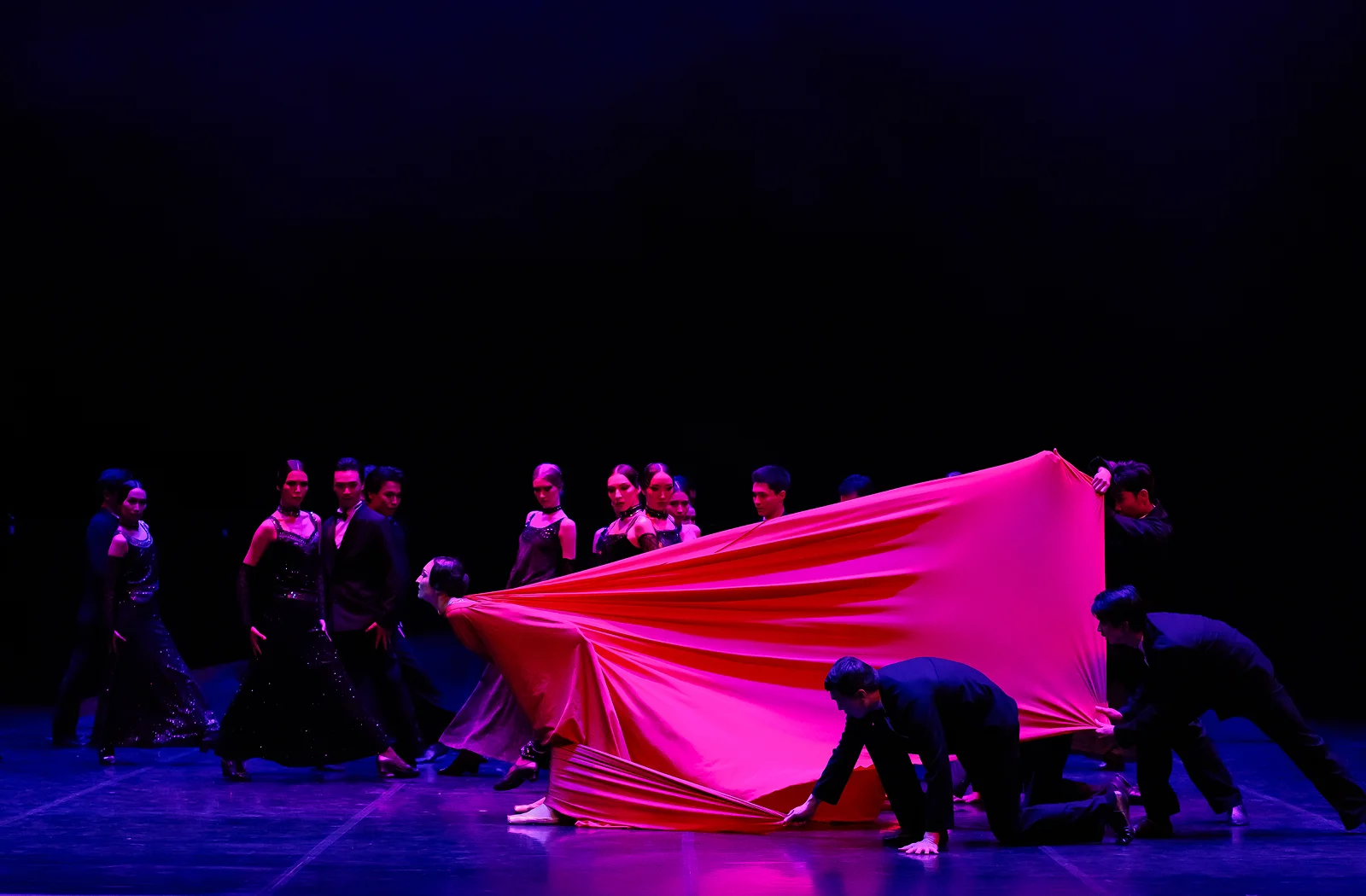
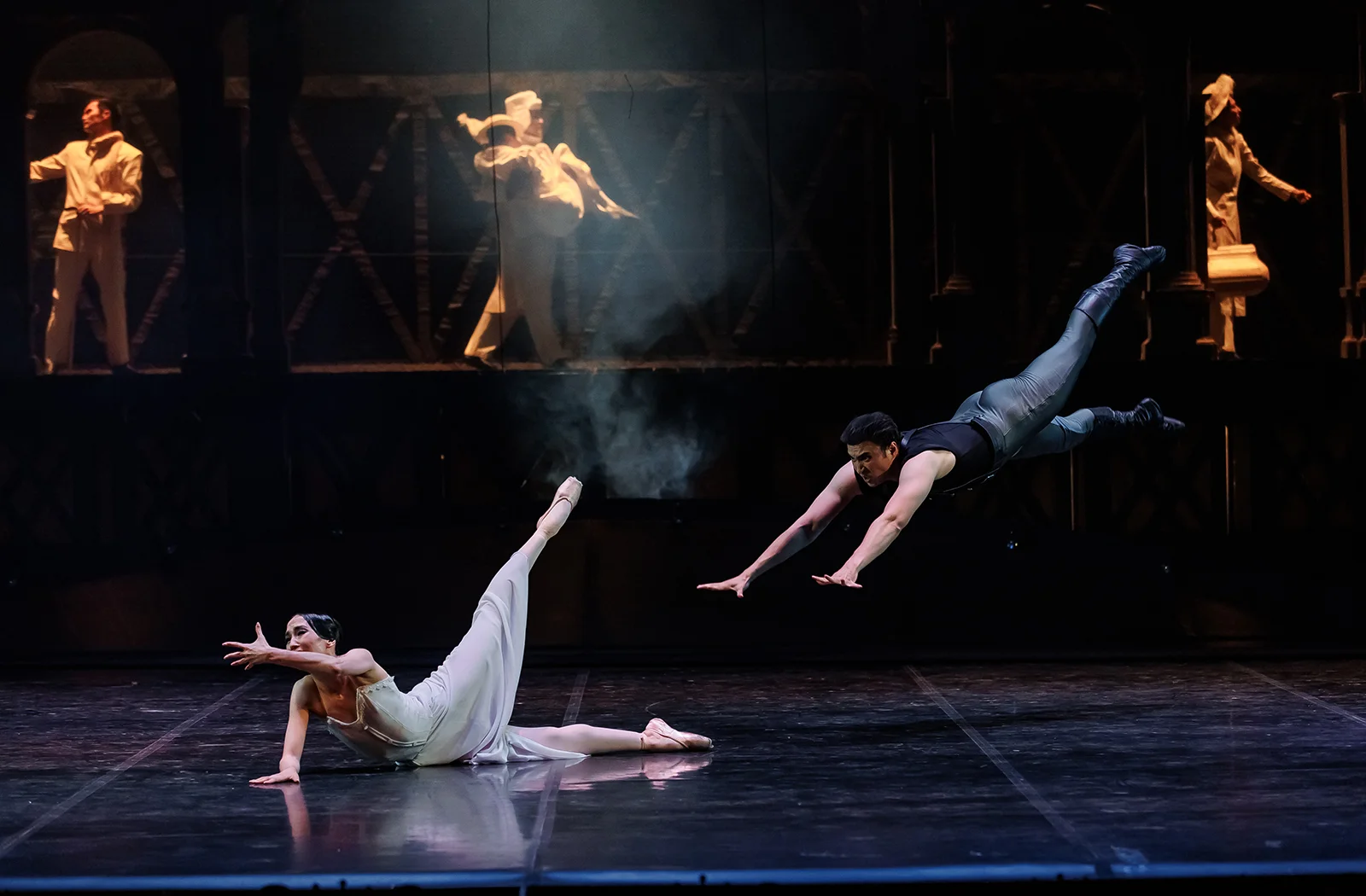
The Ballerina tries to lose herself in the vibrant atmosphere of Parisian festivity. But the ghosts of the past pursue her here as well. The red flashes of revolution haunt her, and the Cheka Officer appears as a terrifying hallucination.
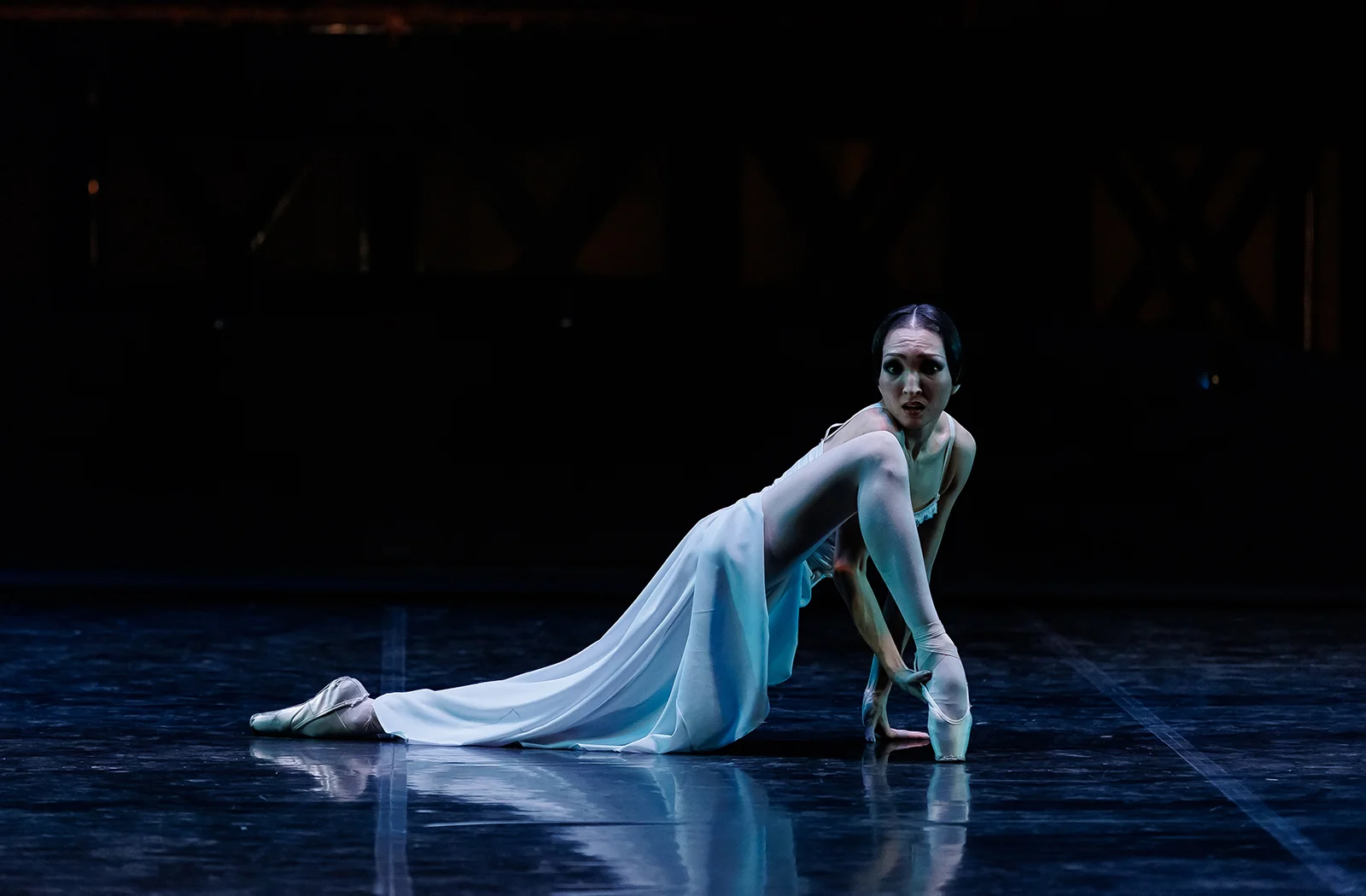
Even her beloved role of Giselle — the role that brought her worldwide fame — cannot grant her peace. Giselle’s fate becomes her own: betrayal, madness. Mirrors distort the fractured consciousness of the great Ballerina. And madness appears as salvation — an escape into the shimmering world “beyond the looking glass.”
Archived
When great art collides with the cruelty of history, tragedy is born: Boris Eifman’s ballet Red Giselle, set to the music of Tchaikovsky, Schnittke, and Bizet, is a haunting story about the price of genius and the loneliness of a world that has lost itself.
Boris Eifman
Red Giselle
Ballet set to the music of P. Tchaikovsky, A. Schnittke and G. Bizet
Ballet in two acts
At the Abay Opera House, the premiere took place on 20.10.2010
Production team:
Choreographer — Boris Eifman, People’s Artist of Russia, State Prize Laureate (Saint Petersburg)
Set Designer — Martins Vilkārsis (Riga)
Costume Designer — Vyacheslav Okunev, People’s Artist of Russia, State Prize Laureate (Saint Petersburg)
Lighting Designer — Igor Kapustin (Tallinn)
Assistant Choreographers — Alina Solonskaya (Saint Petersburg), Sergei Zimin (Saint Petersburg)
Cast
- Ballerina
- Cheka Officer
- Teacher
- Partner
- Friend
- Women’s lesson, French lesson, revelry, Cheka officers, wilis, triumph, peasants, Charleston, suite — ballet artists of the theatre
“Our performance is dedicated to Olga Spessivtseva, one of the greatest ballerinas of the twentieth century. I was deeply moved when I learned the details of her life: a unique actress, celebrated by fame, worshipped by admirers and critics alike, she spent twenty years in a psychiatric clinic near New York, utterly alone and deprived of her rights. The tragic emotions I experienced became the impulse for creating this ballet. It is not an illustration of Spessivtseva’s biography, but an attempt to generalize her destiny and the fate of many talented individuals who were forced to leave Russia and endure a tragic exile.
Spessivtseva was a genius Giselle. She immersed herself so deeply in the inner world of her heroine that she no longer had the strength to return to real life — Giselle’s destiny became her own. Being a prima ballerina, she was drawn into the bloody events of revolutionary Petrograd. That red mark, like a sign of fate, pursued and tormented her. Emigration brought not only creative and personal disappointments, but filled her life with further tragedies, ultimately leading to catastrophe.
In creating this performance, we wished the ballet theatre to pay tribute to the memory of Olga Spessivtseva — a great ballerina with a tragic destiny.”
Boris Eifman
Act One
Revolutionary Petrograd. A classical dance lesson is underway in the ballet studio of the former Imperial Theatre. The strict and exacting Teacher singles out one dancer whose perfect technique and enigmatic presence embody his ideal of beauty.
The gilded auditorium sparkles. The Ballerina’s performance arouses universal admiration. Among her admirers is a representative of the new власть — a Cheka Officer. It is not only her art that attracts him. His coarse insistence and forceful embraces suppress her will.
The Cheka Officer draws the Ballerina into his unfamiliar world, where the wild revelry of the revolutionary crowd turns into a frenzied celebration of destruction. For a moment, she herself reigns over this chaos, forgetting the Teacher’s precepts. Yet the spiritual values instilled by him prove stronger than the intoxication of devastation. The Ballerina returns to the studio, to her Teacher.
Within the theatre walls, the new authority — harsh and aggressive — asserts its dominance. The White Ballerinas must become obedient instruments of the Red idea. The Teacher is in despair. The events are unbearable, yet he is powerless to change them.
A complex relationship binds the Ballerina and the Cheka Officer — attraction and rejection, passion and misunderstanding intertwined.
The Cheka Officer allows the Ballerina to join the emigrants who are leaving Russia forever.
Act Two
The ballet studio of the Paris Grand Opera. A renowned dancer and choreographer leads a rehearsal. The movement vocabulary he proposes is unfamiliar to the Ballerina, yet his inspired artistry captivates her. The dancer becomes her Partner, and together they achieve triumphant success.
The feeling that awakens in her heart is not returned. Unrequited love and loneliness in a foreign world intensify the signs of emotional breakdown.
The Ballerina tries to lose herself in the vibrant atmosphere of Parisian festivity. But the ghosts of the past pursue her here as well. The red flashes of revolution haunt her, and the Cheka Officer appears as a terrifying hallucination.
Even her beloved role of Giselle — the role that brought her worldwide fame — cannot grant her peace. Giselle’s fate becomes her own: betrayal, madness. Mirrors distort the fractured consciousness of the great Ballerina. And madness appears as salvation — an escape into the shimmering world “beyond the looking glass.”
Cast and Performers
(March 29, 2026, 18:00)
- Ballerina Asel Askarova
- Commissar Azamat Askarov
- Teacher Dauren Zhenis
- Partner Nelson Pena
- Friend Eldar Abilov
- Bathilde Nargiz Mirseidova
Gallery
Gallery