Opera
Tosca February 26, 2026, 19:00
Description
Archived
“Tosca” is one of Puccini’s most intense operas about love, betrayal, and a fateful choice.
Giacomo Puccini
Tosca
Opera in 3 acts, 8 scenes
Characters:
- Floria Tosca, a celebrated singer – soprano
- Mario Cavaradossi, a painter – tenor
- Baron Scarpia, chief of police – baritone
- Cesare Angelotti, former Consul of the Roman Republic – bass
- A Sacristan – baritone
- Spoletta, a police agent – tenor
- Sciarrone, a gendarme – bass
- A Jailer – bass
- A Shepherd boy – alto
- Soldiers, police agents, altar boys, noblemen and women, townsfolk, artisans
Rome, June 1800.
Act I
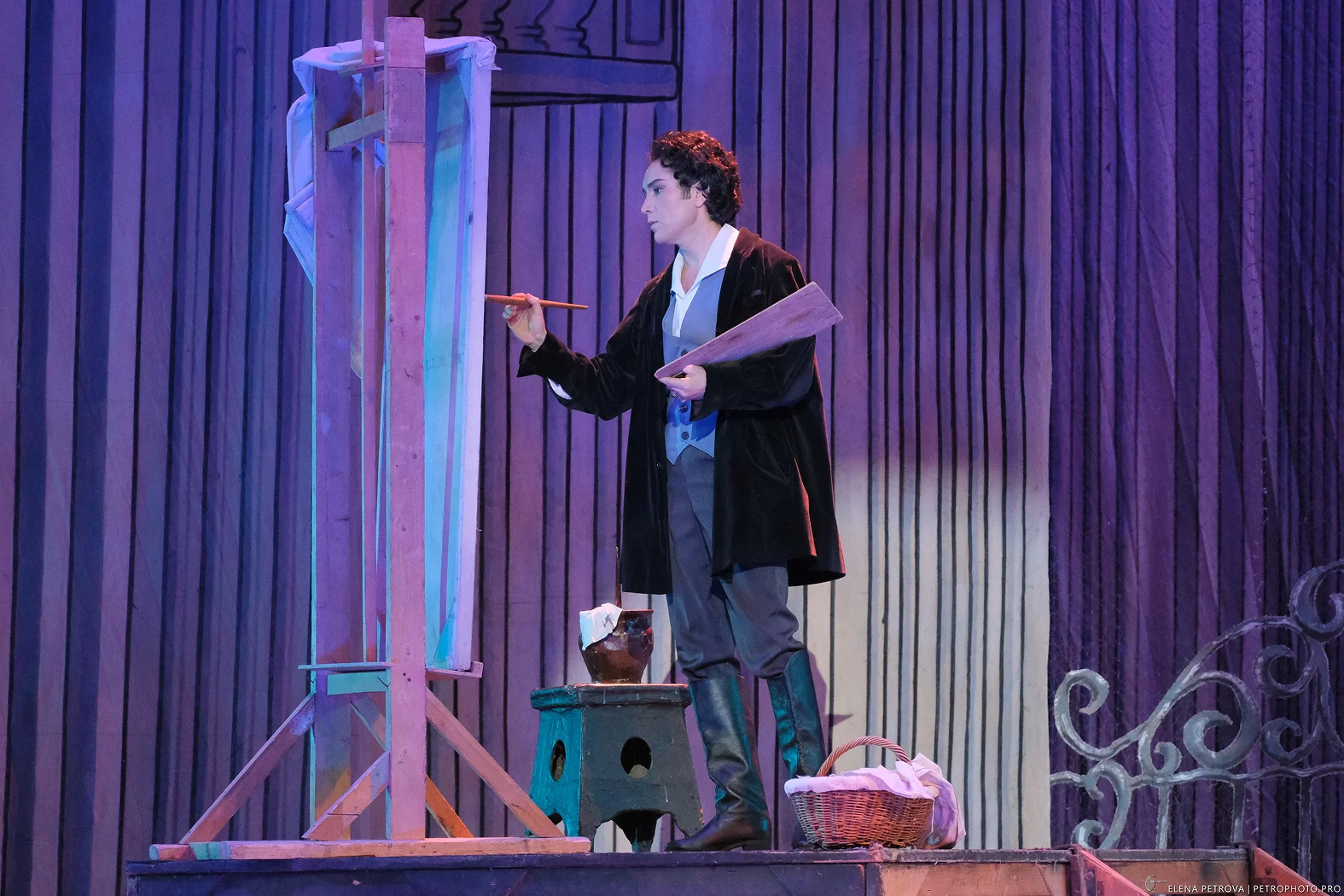
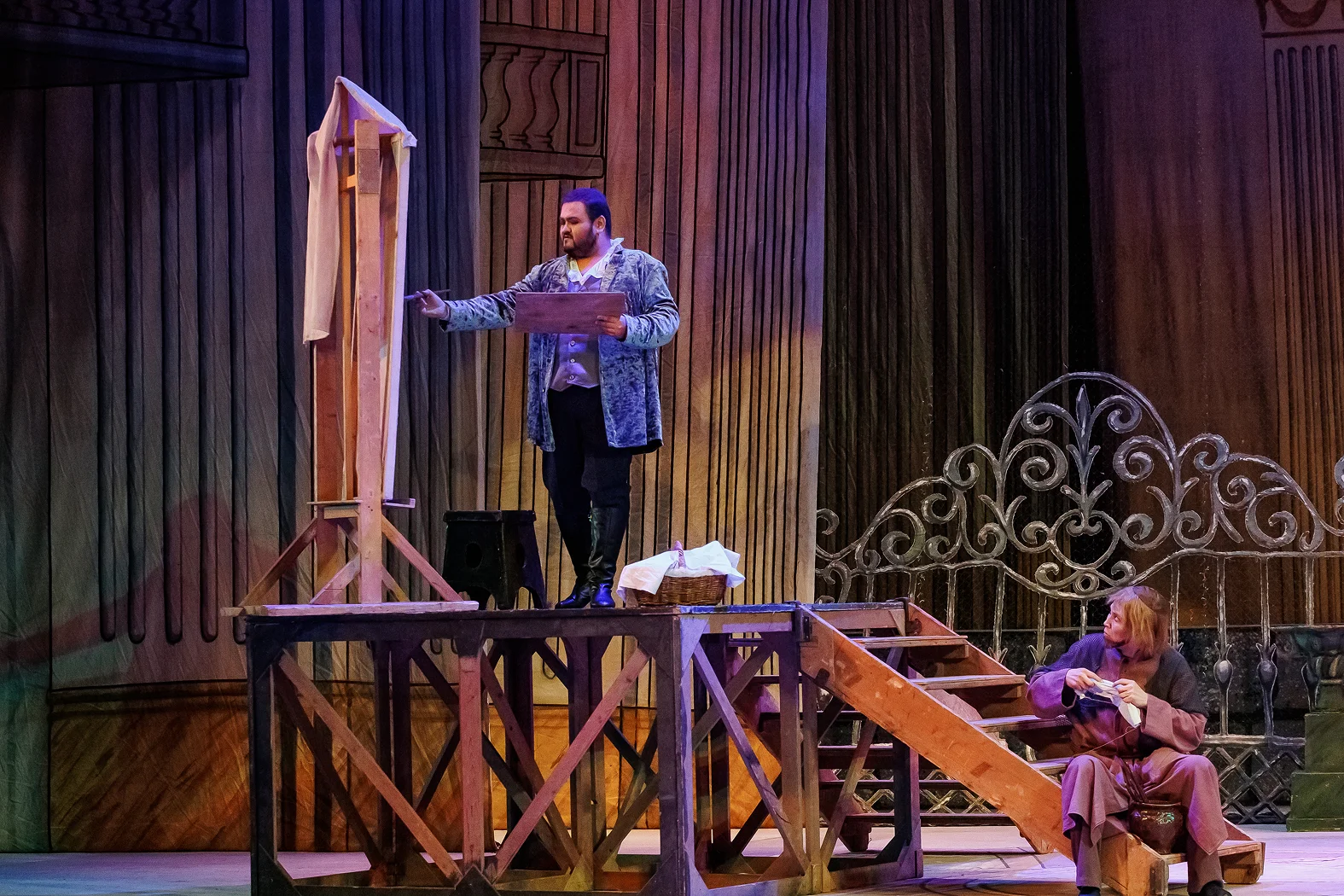
Rome, June 1800. Cesare Angelotti, an escaped political prisoner, rushes into the church of Sant’Andrea della Valle. He hides in one of the chapels just before the painter Mario Cavaradossi arrives to work on his portrait of Mary Magdalene. The painting has been inspired by the Marchesa Attavanti, whom Cavaradossi has seen in the church but does not know. He is struck by the resemblance of the dark-haired beauty of his lover, the singer Floria Tosca, and that of the blonde Marchesa Attavanti.
Angelotti, who was a member of the former Bonapartist government, emerges from his hiding place. Cavaradossi recognizes him and promises help, then hurries him back into the chapel as Tosca is heard calling from outside. She jealously asks Cavaradossi whom he has been talking to and reminds him of their rendezvous that evening. Suddenly recognizing the Marchesa Attavanti in the painting, she accuses him of being unfaithful, but he assures her of his love.
When Tosca has left, Angelotti again comes out of hiding. A cannon signals that the police have discovered the escape, and he and Cavaradossi flee to the painter’s house. The sacristan enters with choirboys who are preparing to sing in a Te Deum celebrating the recent victory against Napoleon at the Battle of Marengo. Their excitement is silenced by the arrival of Baron Scarpia, chief of the secret police, who is searching for Angelotti.
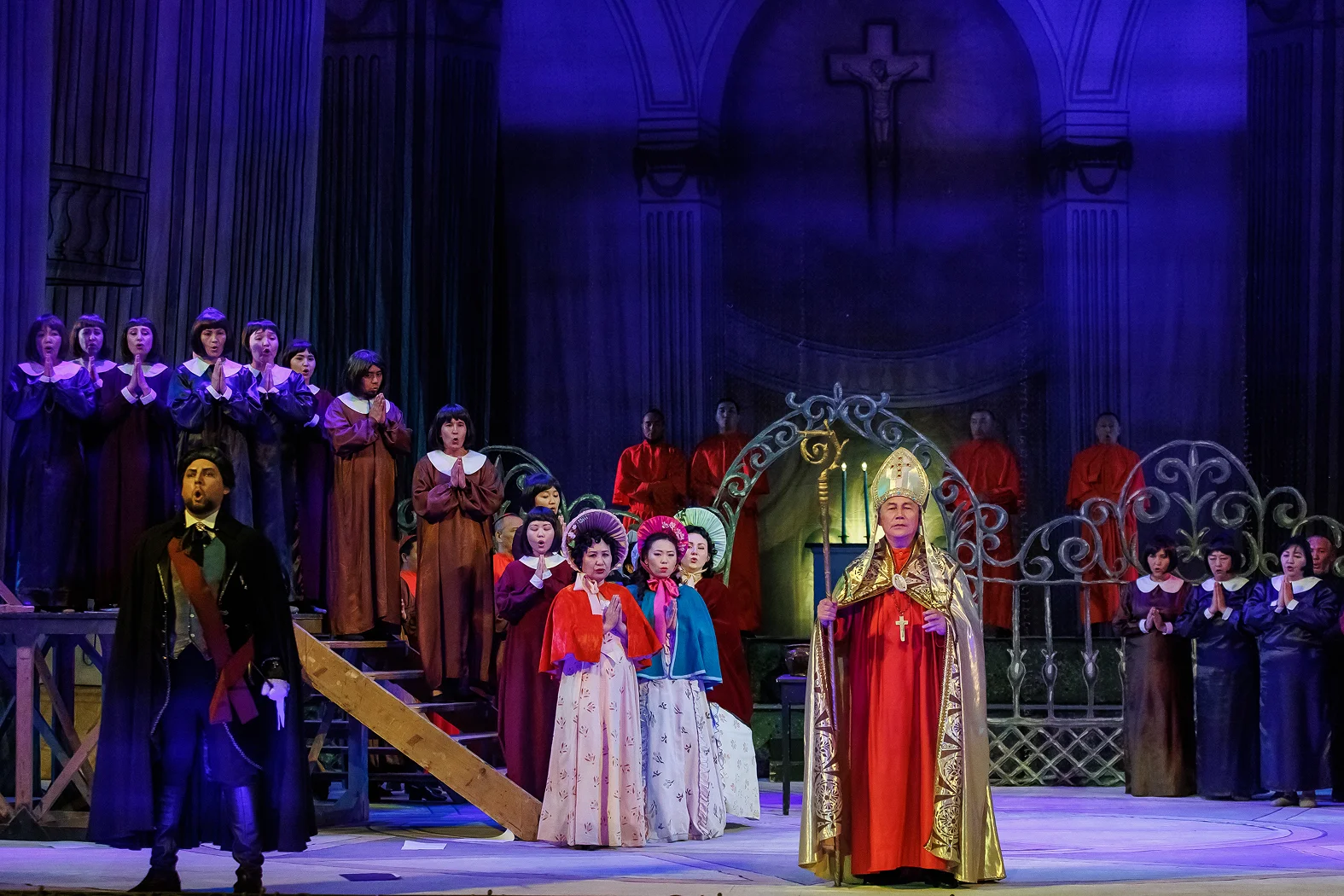
When Tosca comes back looking for Cavaradossi, Scarpia shows her a fan with the Attavanti crest that he has just found. Seemingly finding her suspicions about her lover’s infidelity confirmed, Tosca bursts into tears. She vows vengeance and leaves as the church fills with worshippers. Scarpia sends his men to follow her to Cavaradossi, with whom he thinks Angelotti is hiding. While the congregation sings the Te Deum, Scarpia declares that he will bend Tosca to his will.
Act II
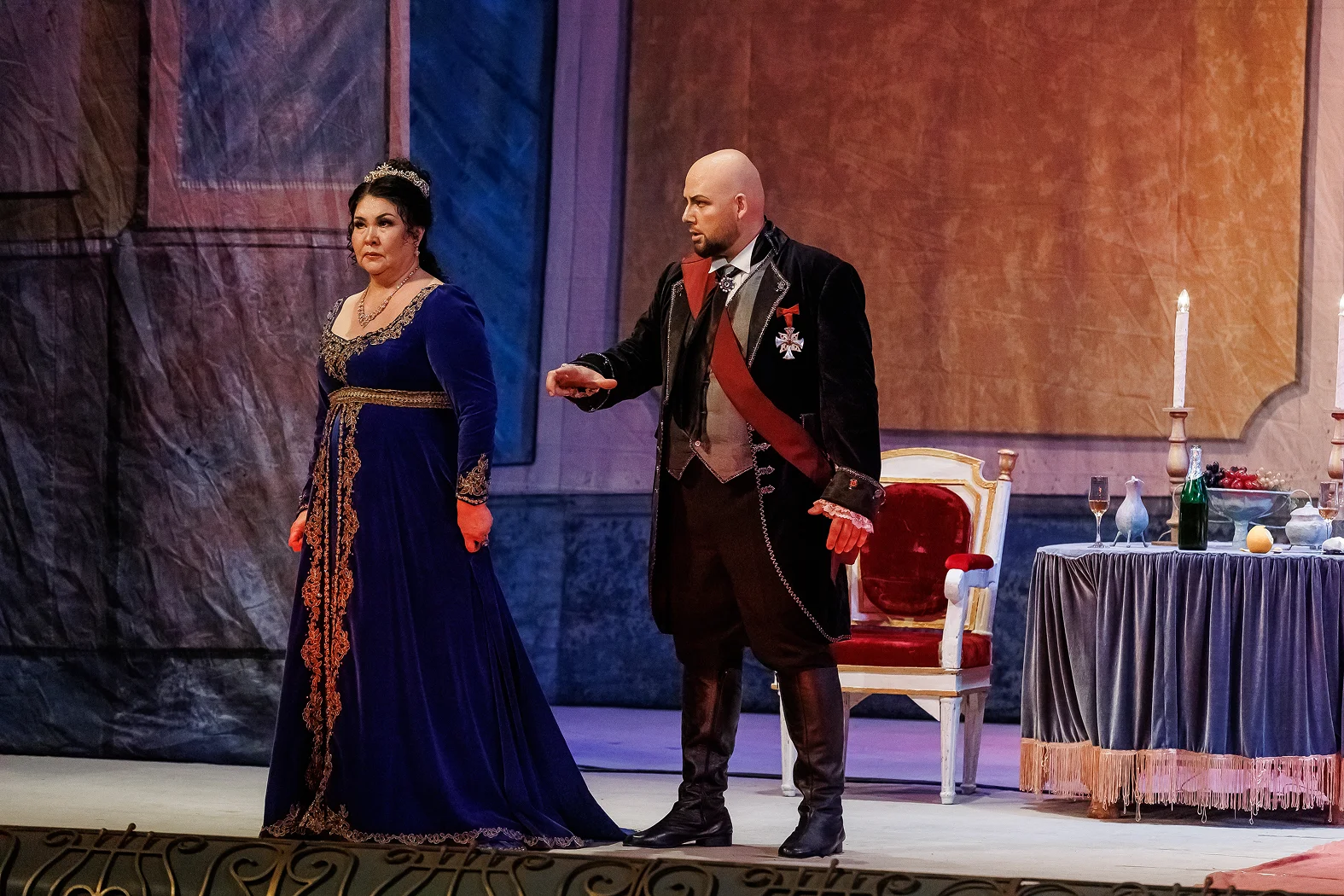
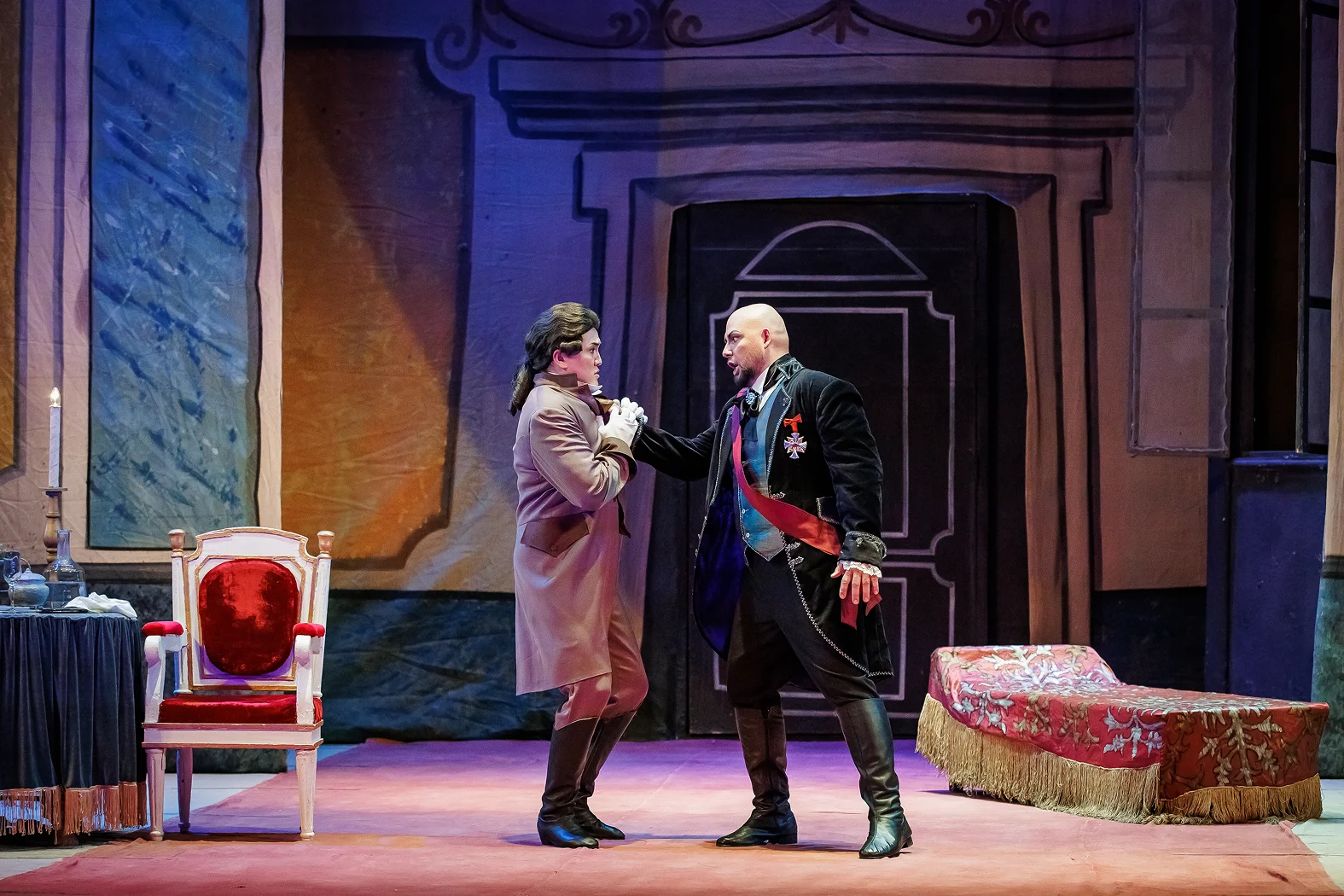
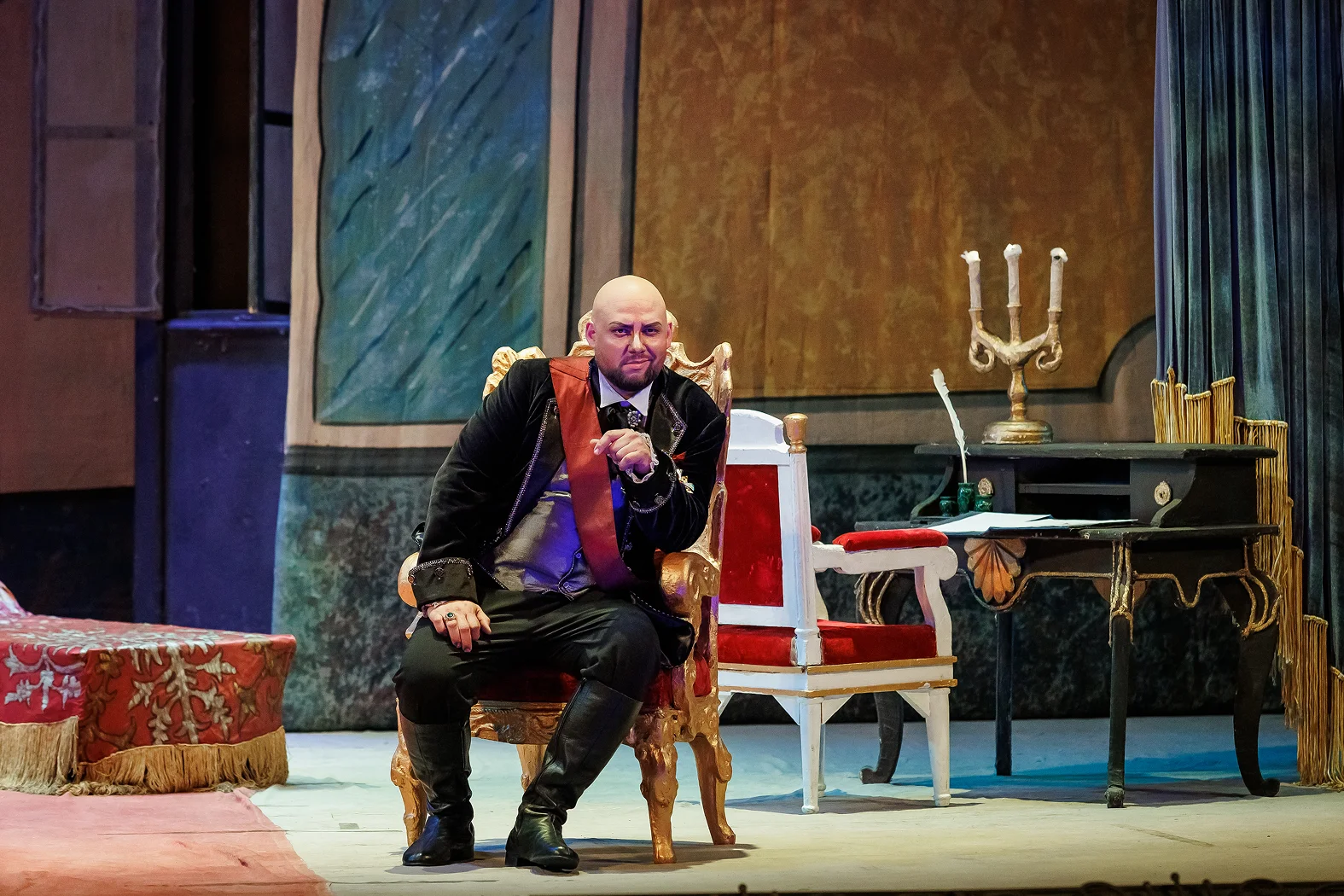
In his study at the Palazzo Farnese, Scarpia anticipates the pleasure of having Tosca in his power. The spy Spoletta arrives with news that he was unable to find Angelotti. Instead he brings in Cavaradossi.
While Scarpia interrogates the defiant painter, Tosca is heard singing at a royal gala in the same building. Scarpia sends for her and she appears just as Cavaradossi is being taken away to be tortured. Frightened by Scarpia’s questions and Cavaradossi’s screams, Tosca reveals Angelotti’s hiding place.
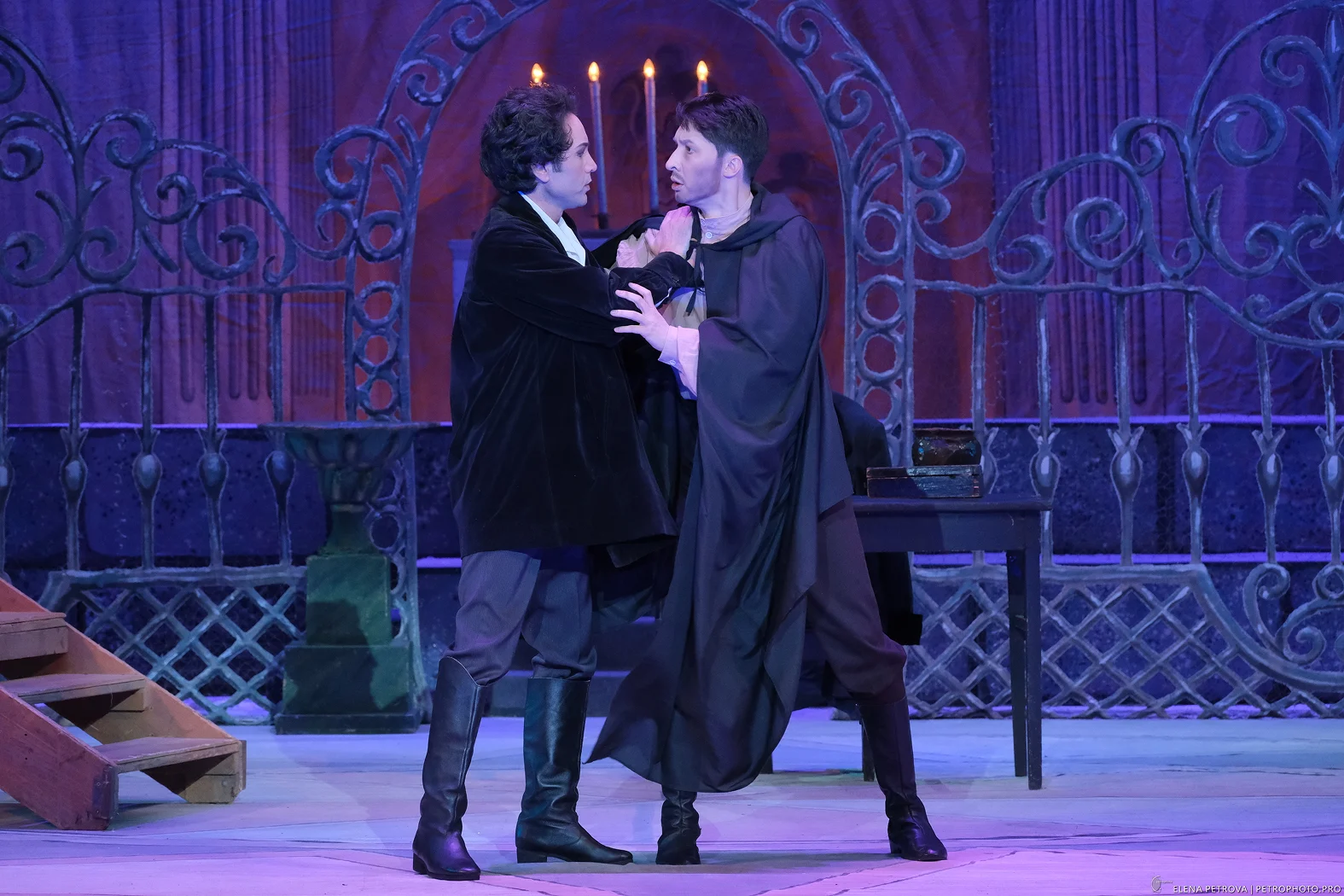
Cavaradossi is brought in, badly hurt and hardly conscious. When he realizes what has happened, he angrily confronts Tosca, just as the officer Sciarrone rushes in to announce that Napoleon in fact has won the battle, a defeat for Scarpia’s side. Cavaradossi shouts out his defiance of tyranny and is dragged off to be executed.
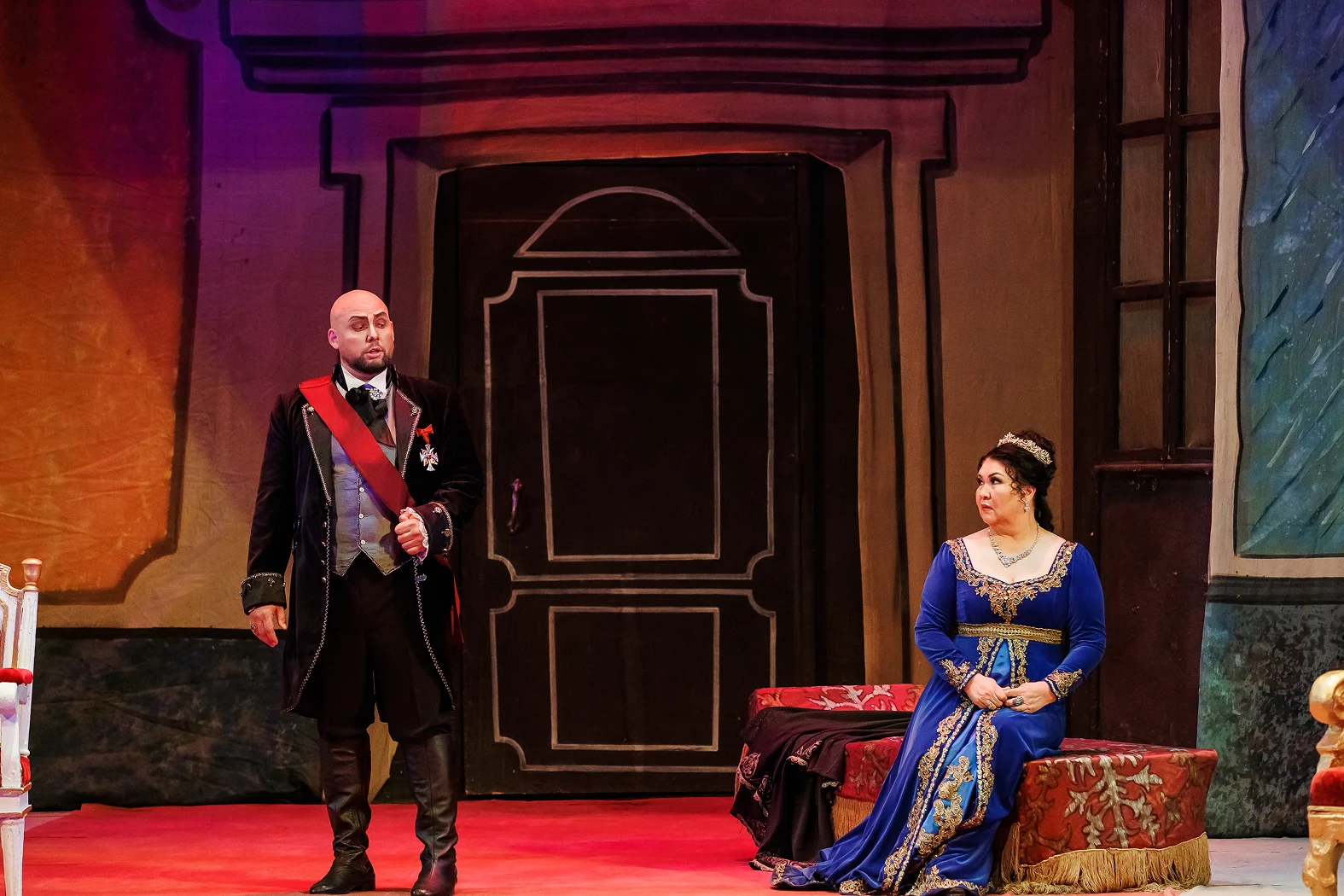
Scarpia calmly suggests to Tosca that he would let Cavaradossi go free if she would give herself to him. Fighting off his advances, she declares she has dedicated her life to art and love and calls on God for help. Scarpia insists, when Spoletta interrupts: faced with capture, Angelotti has killed himself.
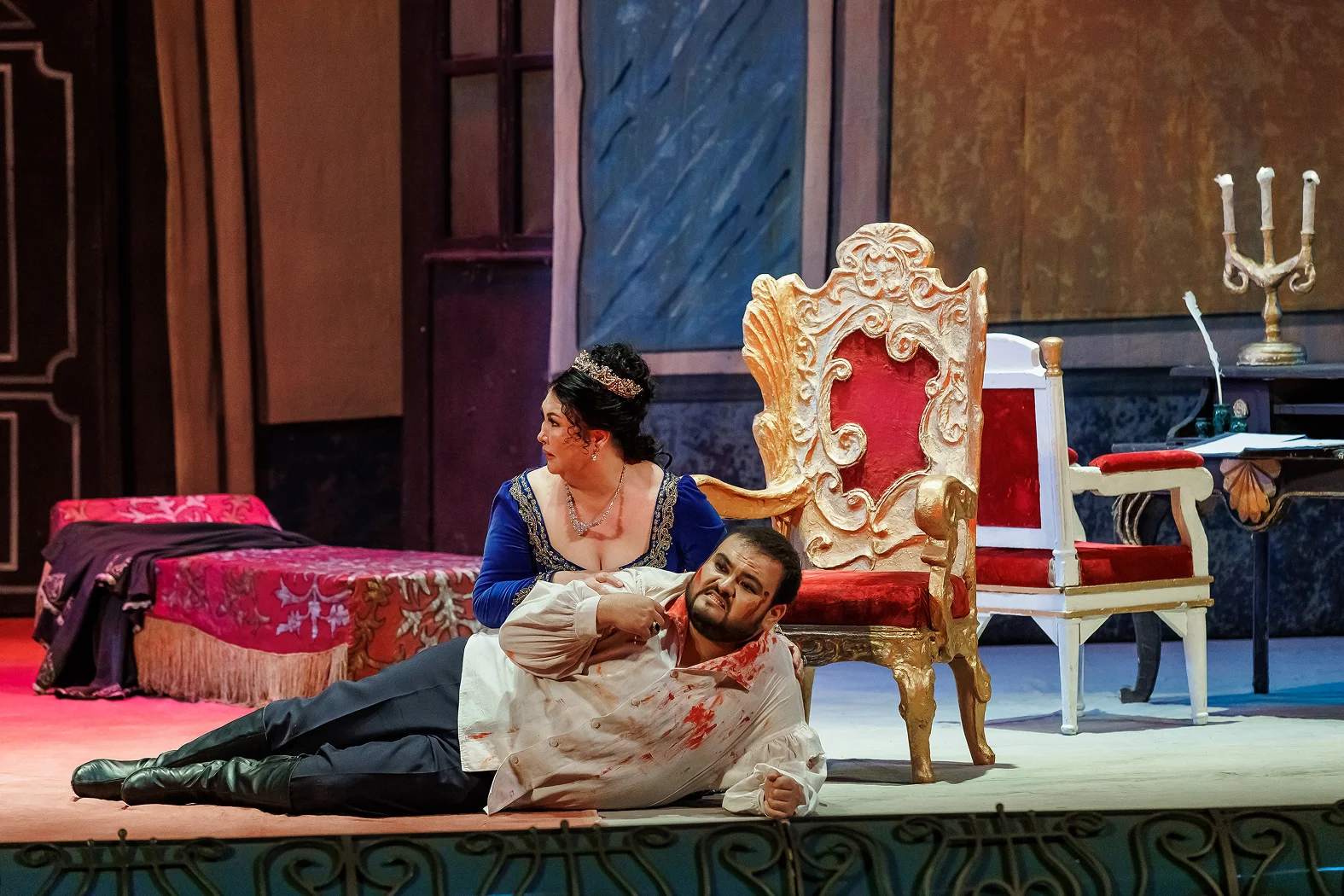
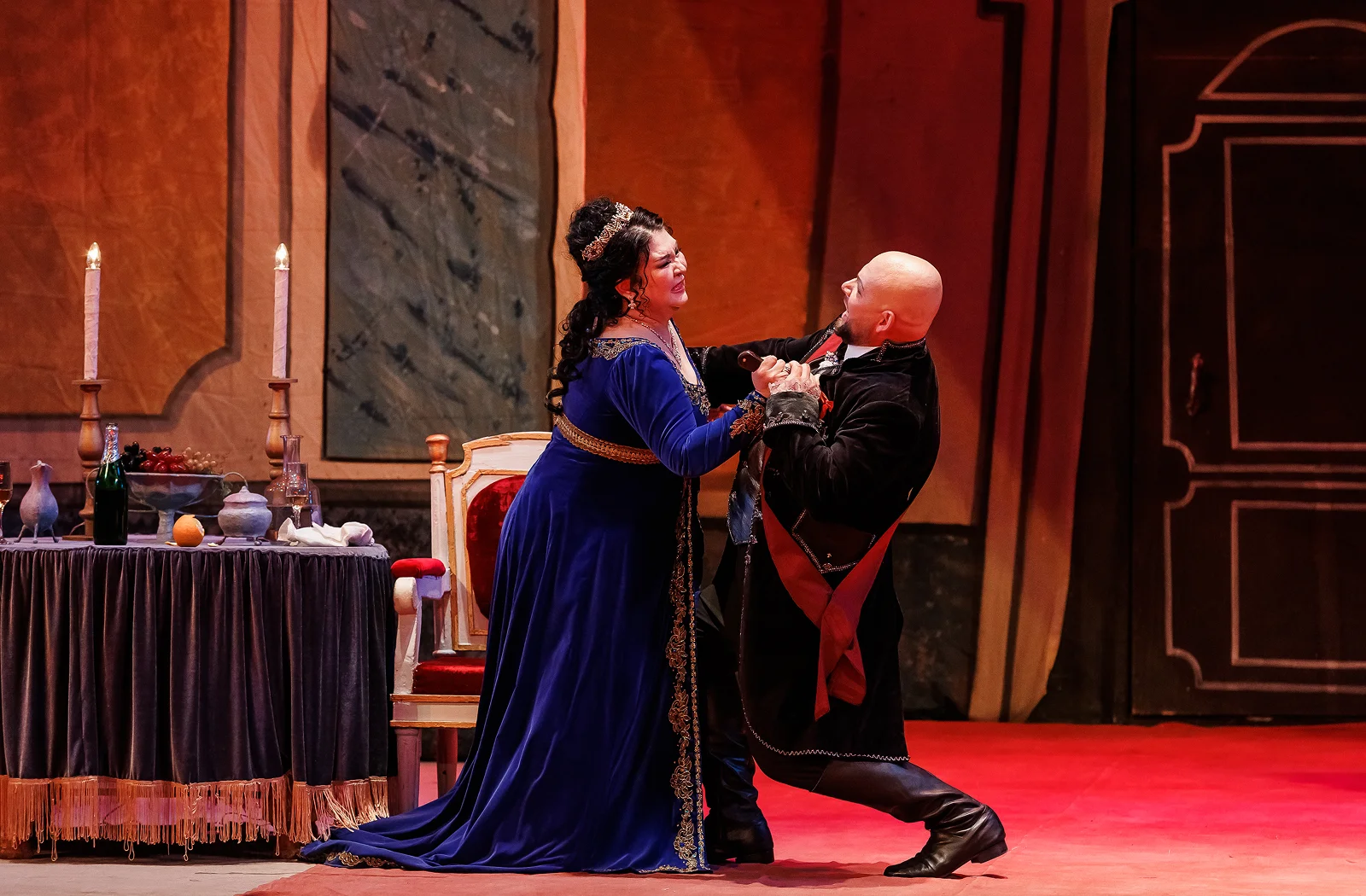
Tosca, now forced to give in or lose her lover, agrees to Scarpia’s proposition. Scarpia orders Spoletta to prepare for a mock execution of Cavaradossi, after which he is to be freed. Tosca demands that Scarpia write her a safe-conduct. When he has done so, she grabs a knife from a table and stabs him.
Act III
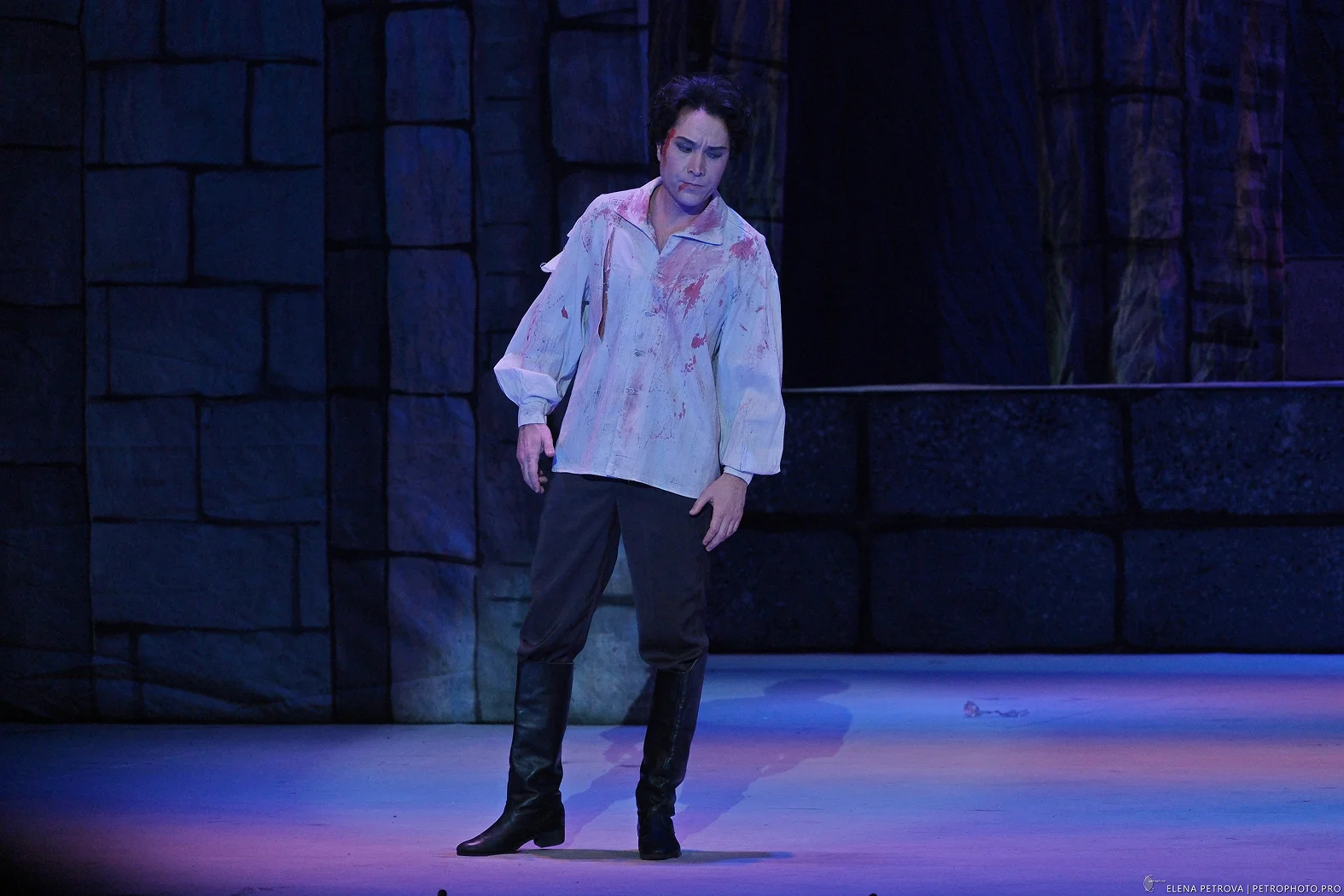
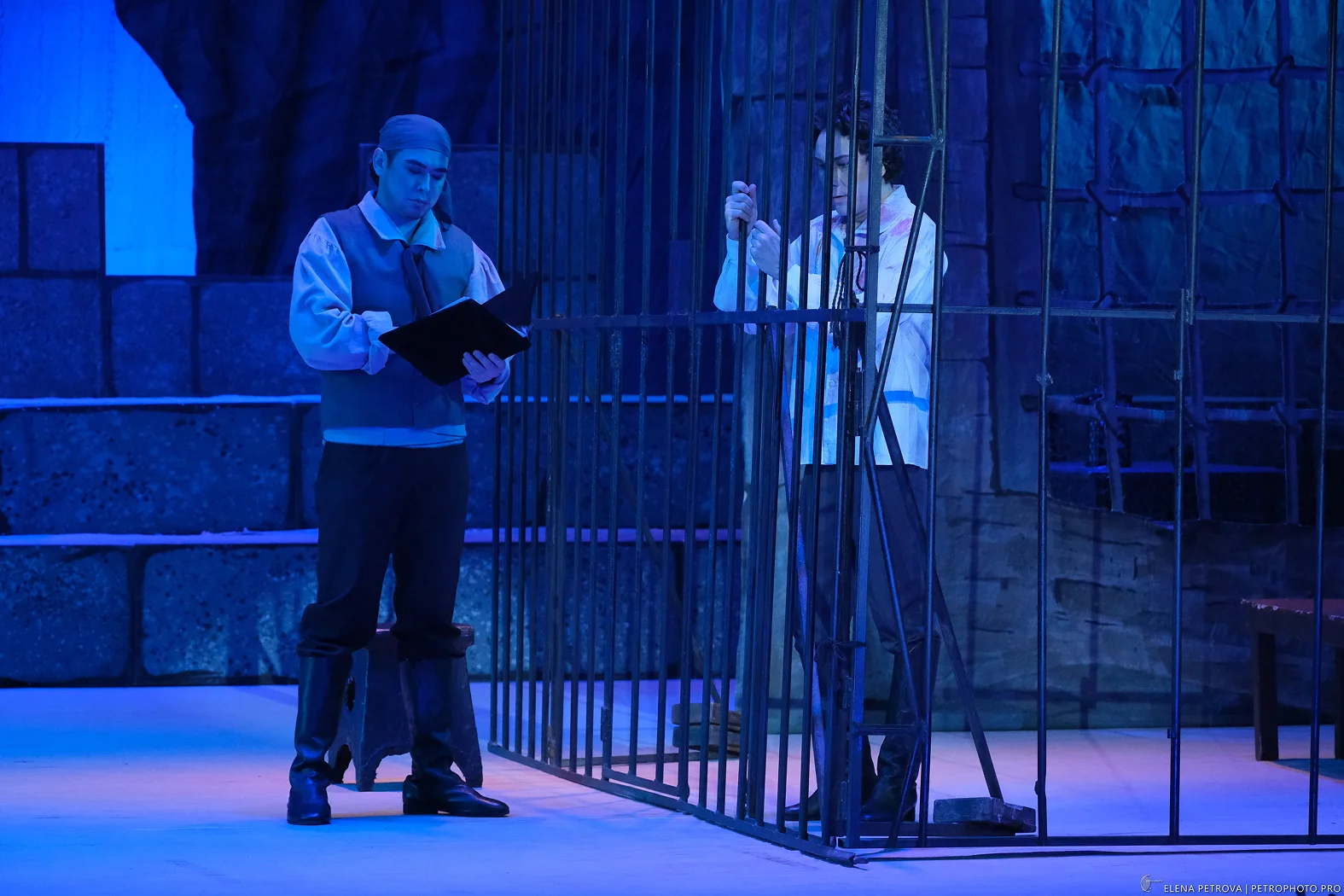
At dawn the next morning, Cavaradossi awaits execution at the Castel Sant’Angelo. He bribes the jailer to deliver a farewell letter to Tosca, then, overcome with emotion, gives in to his despair.
Tosca appears and explains what has happened. The two imagine their future in freedom. As the execution squad arrives, Tosca implores Cavaradossi to fake his death convincingly, then hides.
The soldiers fire and depart. Cavaradossi does not move and Tosca realizes that Scarpia has betrayed her. Just as Spoletta rushes in to arrest her, she leaps from the battlement.
Archived
“Tosca” is one of Puccini’s most intense operas about love, betrayal, and a fateful choice.
Giacomo Puccini
Tosca
Opera in 3 acts, 8 scenes
Characters:
- Floria Tosca, a celebrated singer – soprano
- Mario Cavaradossi, a painter – tenor
- Baron Scarpia, chief of police – baritone
- Cesare Angelotti, former Consul of the Roman Republic – bass
- A Sacristan – baritone
- Spoletta, a police agent – tenor
- Sciarrone, a gendarme – bass
- A Jailer – bass
- A Shepherd boy – alto
- Soldiers, police agents, altar boys, noblemen and women, townsfolk, artisans
Rome, June 1800.
Act I
Rome, June 1800. Cesare Angelotti, an escaped political prisoner, rushes into the church of Sant’Andrea della Valle. He hides in one of the chapels just before the painter Mario Cavaradossi arrives to work on his portrait of Mary Magdalene. The painting has been inspired by the Marchesa Attavanti, whom Cavaradossi has seen in the church but does not know. He is struck by the resemblance of the dark-haired beauty of his lover, the singer Floria Tosca, and that of the blonde Marchesa Attavanti.
Angelotti, who was a member of the former Bonapartist government, emerges from his hiding place. Cavaradossi recognizes him and promises help, then hurries him back into the chapel as Tosca is heard calling from outside. She jealously asks Cavaradossi whom he has been talking to and reminds him of their rendezvous that evening. Suddenly recognizing the Marchesa Attavanti in the painting, she accuses him of being unfaithful, but he assures her of his love.
When Tosca has left, Angelotti again comes out of hiding. A cannon signals that the police have discovered the escape, and he and Cavaradossi flee to the painter’s house. The sacristan enters with choirboys who are preparing to sing in a Te Deum celebrating the recent victory against Napoleon at the Battle of Marengo. Their excitement is silenced by the arrival of Baron Scarpia, chief of the secret police, who is searching for Angelotti.
When Tosca comes back looking for Cavaradossi, Scarpia shows her a fan with the Attavanti crest that he has just found. Seemingly finding her suspicions about her lover’s infidelity confirmed, Tosca bursts into tears. She vows vengeance and leaves as the church fills with worshippers. Scarpia sends his men to follow her to Cavaradossi, with whom he thinks Angelotti is hiding. While the congregation sings the Te Deum, Scarpia declares that he will bend Tosca to his will.
Act II
In his study at the Palazzo Farnese, Scarpia anticipates the pleasure of having Tosca in his power. The spy Spoletta arrives with news that he was unable to find Angelotti. Instead he brings in Cavaradossi.
While Scarpia interrogates the defiant painter, Tosca is heard singing at a royal gala in the same building. Scarpia sends for her and she appears just as Cavaradossi is being taken away to be tortured. Frightened by Scarpia’s questions and Cavaradossi’s screams, Tosca reveals Angelotti’s hiding place.
Cavaradossi is brought in, badly hurt and hardly conscious. When he realizes what has happened, he angrily confronts Tosca, just as the officer Sciarrone rushes in to announce that Napoleon in fact has won the battle, a defeat for Scarpia’s side. Cavaradossi shouts out his defiance of tyranny and is dragged off to be executed.
Scarpia calmly suggests to Tosca that he would let Cavaradossi go free if she would give herself to him. Fighting off his advances, she declares she has dedicated her life to art and love and calls on God for help. Scarpia insists, when Spoletta interrupts: faced with capture, Angelotti has killed himself.
Tosca, now forced to give in or lose her lover, agrees to Scarpia’s proposition. Scarpia orders Spoletta to prepare for a mock execution of Cavaradossi, after which he is to be freed. Tosca demands that Scarpia write her a safe-conduct. When he has done so, she grabs a knife from a table and stabs him.
Act III
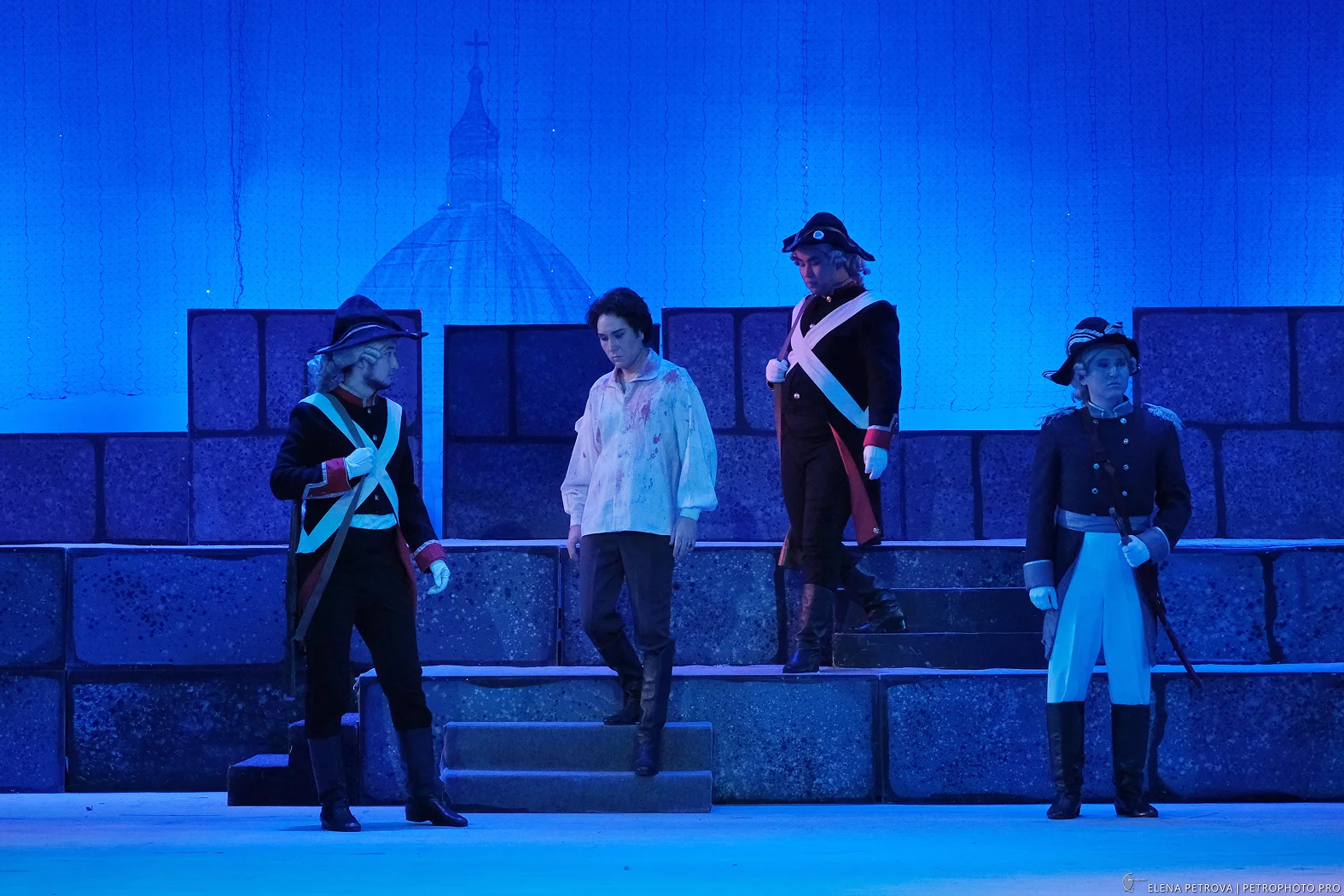
At dawn the next morning, Cavaradossi awaits execution at the Castel Sant’Angelo. He bribes the jailer to deliver a farewell letter to Tosca, then, overcome with emotion, gives in to his despair.
Tosca appears and explains what has happened. The two imagine their future in freedom. As the execution squad arrives, Tosca implores Cavaradossi to fake his death convincingly, then hides.
The soldiers fire and depart. Cavaradossi does not move and Tosca realizes that Scarpia has betrayed her. Just as Spoletta rushes in to arrest her, she leaps from the battlement.
Cast and Performers
(February 26, 2026, 19:00)
- Floria Tosca Evgenia Smolyanina
- Mario Cavaradossi Baluаn Berkenov
- Baron Scarpia Talgat Kuzembayev, People’s Artist of Kazakhstan, Laureate of the State Prize of the Republic of Kazakhstan
- Cesare Angelotti Tair Tazhi
- Sacristan Maksat Samatov
- Spoletta Erulan Kamel
- Sciarrone Shyngys Nurgaliuly
- Jailer Alikhan Beisekov (first performance)
- Shepherd Madina Yerlanova
- Church officials, parishioners, soldiers, gendarmes – choir artists
- Symphony Orchestra, chorus and ballet of the Abay Kazakh National Opera and Ballet Theatre
- Chief Conductor Nurzhan Baibussinov, Honored Worker of the Republic of Kazakhstan
- Stage Conductor Renat Salavatov, People’s Artist of Tatarstan, Honored Artist of Russia, Honored Artist of the Republic of Kazakhstan
- Stage Director Lyalim Imangazina, Honored Worker of the Republic of Kazakhstan
- Set Designer Vladimir Koshelev
- Chief Choirmaster Aliya Temirbekova, Honored Worker of the Republic of Kazakhstan
- Artistic Director of the Opera Bolat Bokenov, Honored Worker of the Republic of Kazakhstan
Gallery
Gallery