
Ballet
La Bayadère November 29, 2026, 18:00
Description
“La Bayadère” is a jewel of classical ballet, set to the music of Ludwig Minkus, where the splendour of the East and the beauty of dance intertwine with a tale of fateful love. At the heart of the story lies the tragic fate of Nikiya, a temple dancer, and Solor, a brave warrior whose love is tested by jealousy, betrayal, and the cruel hand of fate. The magnificence of royal celebrations, the dramatic intensity of passion, and the enchanting Kingdom of the Shades create a poetic world in which love proves stronger than death.
Ludwig Minkus
La Bayadère
Ballet in 3 acts
Libretto by M. Petipa and S. Khudekov
Production Team
Stage Conductor – Yerbolat Akhmedyarov, Honored Worker of the Republic of Kazakhstan
Choreographer – Gabriela Komleva, People’s Artist of the USSR (Saint Petersburg)
Assistant Choreographer – Irina Ivanova (Saint Petersburg)
Designer – Vyacheslav Okunev, People’s Artist of Russia, Laureate of the State Prizes of the Republic of Kazakhstan and Russia (Saint Petersburg)
Characters
- Dugmanta, Rajah
- Gamzatti, his daughter
- Solor, a warrior
- Nikiya, the bayadère
- The Golden Idol
- The High Brahmin
- Magedaveya, a fakir
- Toloragva, a warrior
Fakirs, young men, Rajah’s retainers, girls, Gamzatti’s retainers, slaves, Brahmins, servants, warriors, bayadères, travellers, musicians, hunters
Act One
A group of young hunters, led by Solor, are hunting a tiger. Before venturing deep into the forest, Solor asks the fakir Magedaveya to tell the bayadère Nikiya that he will wait for her near the temple walls. A solemn procession of priests, led by the High Brahmin, emerges from the temple. A festival of fire worship begins. The fakirs and temple priestesses – the bayadères – perform their sacred dances. Among them is the beautiful Nikiya, whose presence lends splendour to the celebration.
Forgetting his sacred position and his vow of celibacy, the High Brahmin confesses his love to Nikiya, promising to lay all the riches of India at her feet. Nikiya rejects his advances. She will never love him.
Together with the other bayadères, Nikiya offers the fakirs water from the sacred spring. Magedaveya informs her that Solor will come to meet her. Nikiya is overjoyed.
Night falls. The lovers meet in secret. Solor swears eternal love to Nikiya. The High Brahmin manages to overhear their conversation.
Rajah Dugmanta, ruler of the principality, tells his daughter Gamzatti that she is about to meet her chosen husband. He sends for the bridegroom. It is the brave warrior Solor. The Rajah announces the betrothal of Solor and his beautiful daughter. The warrior is captivated by the young woman’s beauty, but the memory of Nikiya and his vow of eternal fidelity to her leaves him deeply troubled.
The High Brahmin appears, intending to reveal a secret to the Rajah. Gamzatti overhears their conversation. The Brahmin tells Dugmanta of the secret love between Solor and Nikiya. Furious with Solor, the Rajah nevertheless refuses to change his decision. He decrees that the bayadère must die.
The Brahmin, who had hoped to destroy his rival Solor, is horrified by this unexpected outcome. But the Rajah remains adamant.
Gamzatti orders a slave girl to bring Nikiya before her. The Rajah’s daughter informs the bayadère of her forthcoming wedding and invites her to dance at the celebration. Gamzatti deliberately shows Nikiya a portrait of her bridegroom – Solor.
Nikiya protests: Solor loves only her and has sworn to remain faithful. The Rajah’s daughter demands that Nikiya renounce Solor, but the bayadère declares that she would rather die than part with him. Overcome with rage, Nikiya raises a dagger against Gamzatti, but a slave girl intervenes and restrains her.
The Rajah’s daughter pronounces Nikiya’s death sentence.
Act Two
The square before the Rajah’s palace. A magnificent celebration is taking place in honour of the betrothal of Solor and Gamzatti.
The bayadère Nikiya is required to entertain the guests with her dancing. Unable to conceal her grief, she keeps her gaze fixed upon her beloved.
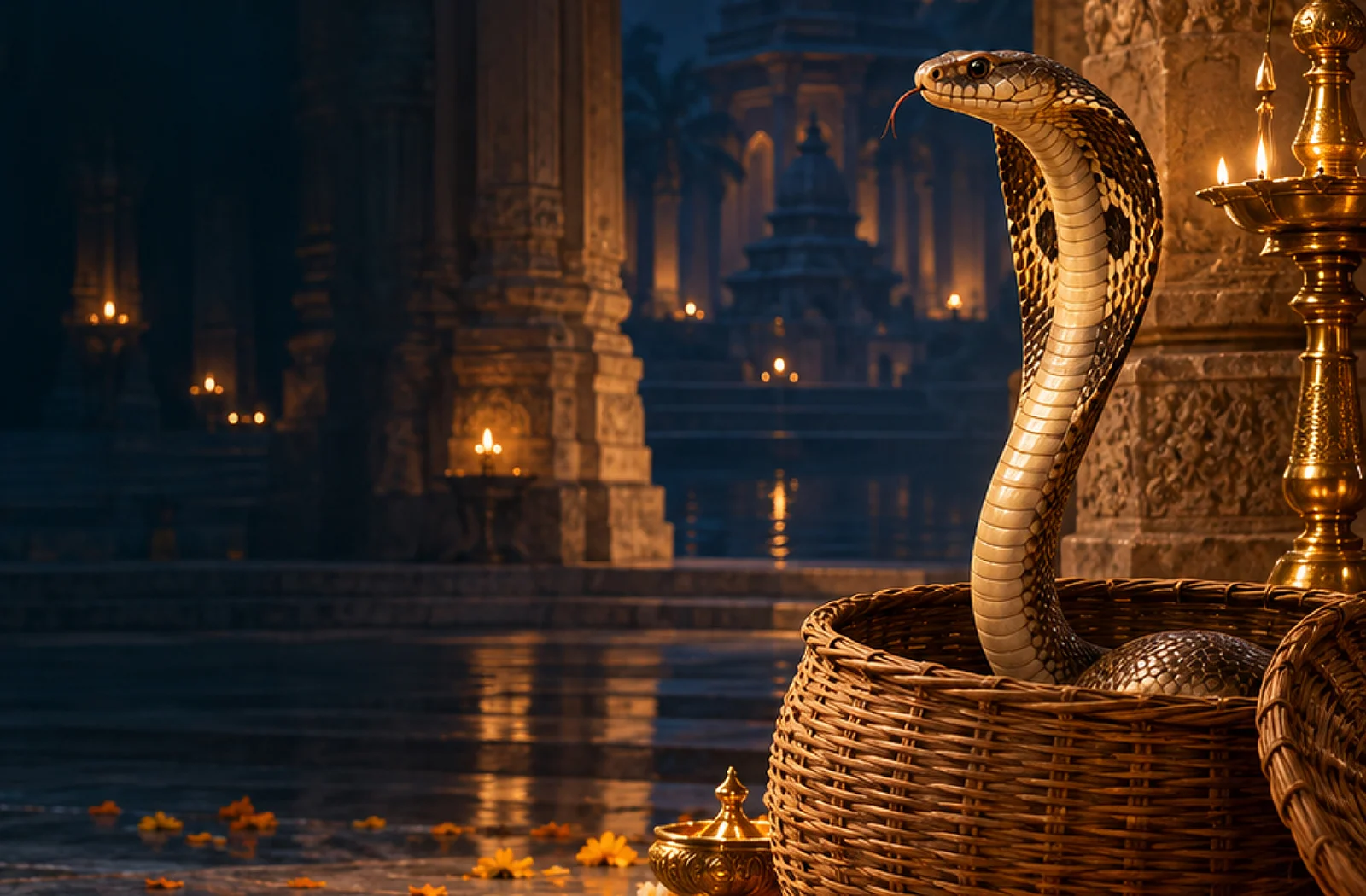
On Dugmanta’s orders, a slave girl presents Nikiya with a basket of flowers, supposedly sent by Solor. Suddenly, a snake emerges from among the flowers and delivers a fatal bite. Nikiya realises that her death has been arranged by the Rajah’s vengeful daughter.
The High Brahmin offers Nikiya an antidote, but the bayadère remains faithful to her love. Solor bends over his dying beloved.
Act Three
Solor is inconsolable, tormented by remorse. He smokes a hookah and falls into a deep sleep.
From the darkness, the shades of the departed appear before him. In a long, unbroken procession, they descend from the mountain ledges.
Among them, Solor sees the beautiful Nikiya. She beckons him to follow her.
Cast and Performers
(November 29, 2026, 18:00)
- Dugmanta, the Rajah Amir Zheksenbek, first performance
- Gamzatti, his daughter Assel Askarova, first performance, Honored Worker of the Republic of Kazakhstan
- Solor, a warrior Arkhat Ashirbek, first performance, Honored Worker of the Republic of Kazakhstan
- Nikiya, a bayadère Zhanel Tukeeva
- The Golden Idol Alikhan Nakiskhozhaev, first performance
- Grand Brahmin Dauren Zhenis, first performance
- Magdaveya, a fakir Qaskyrbay Eskali
- Toloragva, a warrior Aziz Esenbayev
- Aiya, a captive girl Malika Usenova, first performance
- “Manu” — Pot Dance Akbota Bekbolatova, first performance
- Fakirs, young men, the Rajah’s attendants, girls, Gamzatti’s attendants, captive girls, Brahmins, servants, warriors, bayadères, strangers, musicians, hunters Ballet dancers
-
Symphony Orchestra of the Kazakh National Opera and Ballet Theatre named after Abay
- Conductor – Renat Salavatov, People’s Artist of the Republic of Tatarstan, Honored Artist of the Russian Federation, Honored Artist of the Republic of Kazakhstan